

The Main Groups of Freshwater Aquarium Fish
The total number of species of fish accessible to the aquarist nowadays numbers well into four figures, and with hundreds generally available it is impracticable to provide details of each in any general handbook on fishkeeping. Instead we present here an overview of some of the main groups of aquarium fishes, both freshwater and marine, so that the reader may acquire some idea of their general habits and requirements.
Comprehensive catalogues of aquarium fishes are available, and the better aquatic dealers commonly keep copies on their shelves. Reference to these, or to specialist publications on different groups of fishes, is advisable before making any purchase. The sheer diversity of size, habits and other features mentioned within some groups will, we trust, reinforce our repeated admonition that each and every unfamiliar species must be researched.
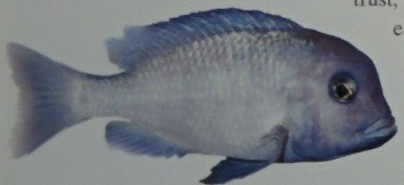 Blue dolphin cichlid (Cyrtocara moorii).
Freshwater Groups
Representatives of all the groups listed here, and indeed, of individual families and genera within those groups, are found in a number of extremely diverse biotopes, and thus may require quite different treatment in captivity. We have endeavoured to summarize here the major points that apply to each group in general.
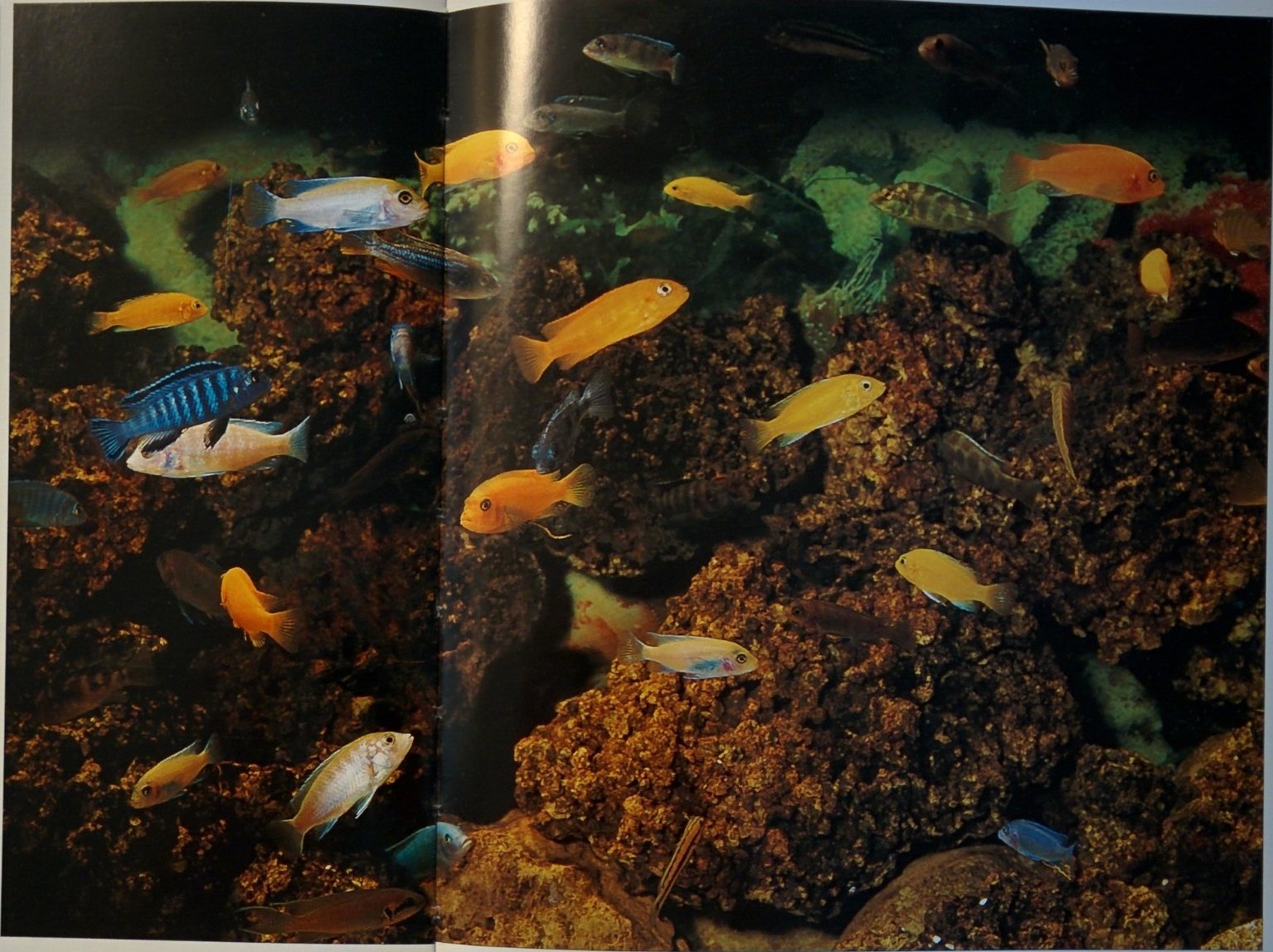 A selection of Lake Malawi cichlids.
Characins
The characins are a huge group of tropical species from South and Central America, and Africa, and include many very popular small- to medium-sized aquarium fishes – tetras (family Characidae), hatchetfish (Gasteropelecidae), pencilfish (Lebiasinidae), and headstanders (Anostomidae) – as well as the larger piranhas (also Characidae). Between them they encompass a size range of 2 to 100+cm (¾ to 40+in) and virtually the entire dietary gamut, including aquarium plants and each other. Most characins originate in soft acid water, although many have been acclimated to hard alkaline conditions. Tetras are generally found in shoals in slow-moving or still open water, near vegetation and tangles of roots and branches, to which they can retire if threatened. Hatchetfish enjoy similar conditions but live at the surface, and are able to ‘fly' out of the water to escape predation. Pencilfish are also surface dwellers, hanging motionless like bits of twig during the day and becoming active at dusk. Headstanders, by contrast, come from a quite different biotope – fast-flowing water with rocks, in whose vertical cracks they find shelter – and are thus less suited to the general community.
Small Freshwater Groups
In addition to the main freshwater assemblages listed, there are a number of smaller groups of varying suitability for the aquarium. Rainbowfish (Melanotaeniidae) are small, colourful, peaceful fishes from Australasia, eminently suited to community life. Leaf fish and nandids (Nandidae), by contrast, are small and generally highly predatory. Snakeheads (Channidae) are large and predatory but, like large cichlids, can make excellent pets given a tank of their own. Arawanas (Osteoglossidae) are sometimes seen for sale, but are difficult and likely to outgrow their quarters. They are best left in the shop, if only for conservation reasons. Elephantnoses (Mormyridae) are commonly seen, but delicate. They need a fine, soft substrate in which to delve with their sensitive snouts, and are crepuscular (active at twilight) in their habits. Spiny eels (Mastacembelidae) are similar in their requirements. Knifefish (Apteronotidae, Notopteridae) can grow large (to 60cm; 24in) and are chiefly nocturnal. Butterflyfish (Pantodontidae) are rather delicate, elegant surface-dwellers suited to a peaceful community.
With the exception of the rainbowfish, these small groups are all probably better suited to the experienced or specialist aquarist.
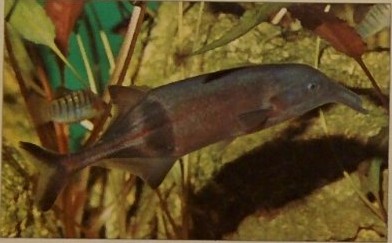 Campylomormyrus rhynchophorus, an elephantnose
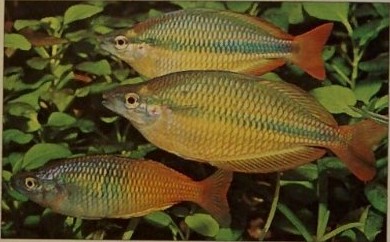 Rainbowfish Melanotaenia trifasciata (above) and Melanotaenia boesemani
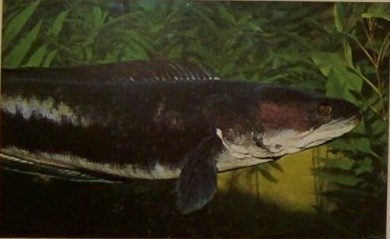 Channa argus, a snakehead species
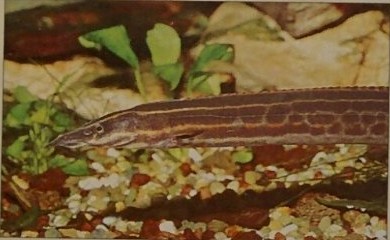 Mastacembelus erythrotaenia, a spiny eel species
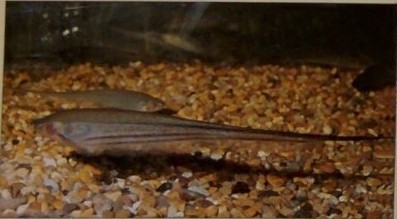 South American knifefish (Eigenmannia virescens)
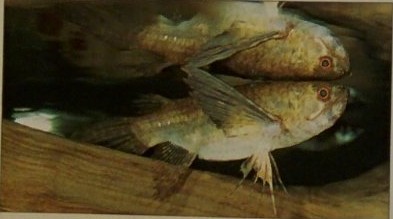 Butterflyfish (Pantodon buchholtzi)
Characins (cont.)
All characins are eggscatterers, and only a few of them practise any form of parental care.
Special considerations in captivity
Many species show better colour under the correct water conditions, which are almost invariably necessary for breeding. Shoaling species should be kept in groups of at least six, as they will be stressed without the psychological security of the shoal. A combination of adequate cover and plenty of swimming space is also required by all but the largest species.
Small characins are often eaten by larger tankmates, even non-piscivores – the temptation of a moving, bite-sized ‘snack' is irresistible. The problem rarely occurs in a new community of young, small fishes, but is common when an elderly tetra dies and is unthinkingly replaced with a new one which is small in relation to its older tankmates!
Hatchetfish are particularly sensitive to poor water quality and incorrect chemistry, and are also likely to jump out if frightened, so a tight-fitting cover is required to prevent losses. A childproof cover is necessary for flesh-eating piranhas, and every care must always be taken when dealing with these fishes: they are quite unpredictable and their teeth can cause serious injury.
Breeding: Even given correct water conditions, breeding is not simple. Spawning is easy to promote, but few species practise brood care and the untended eggs are generally eaten by tankmates – or the parents! In most cases it is necessary to use a separate, well-planted breeding tank, from which the adults are removed after spawning so that the eggs can hatch unmolested.
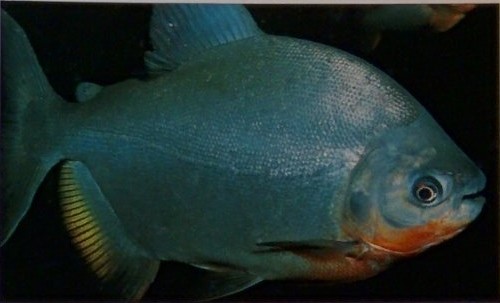 Piaractus brachypomus
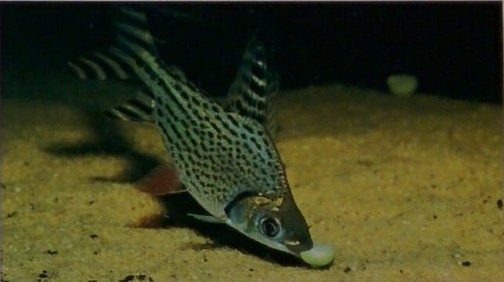 Semiprochilodus taeniurus, a South American characin
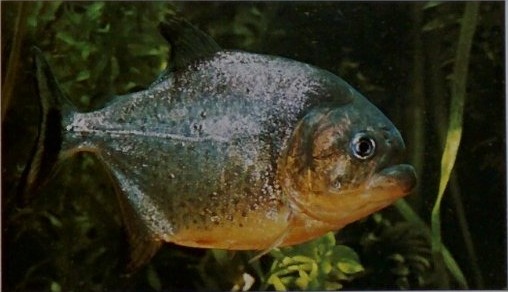 Piranha (Serrasalmus nattereri)
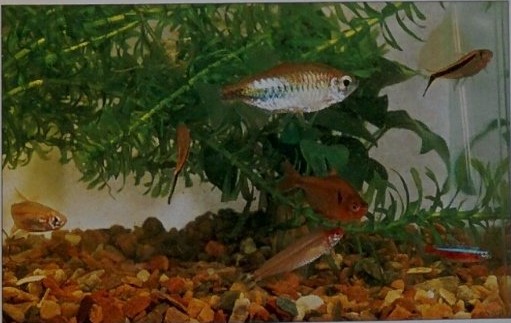 Tetras
Cyprinids
This group is native to tropical and temperate zones, with representatives in Europe, southern North America, Asia and Africa, occurring in a variety of habitats and water conditions. It includes not only popular tropical aquarium fishes such as rasboras, barbs, danios and ‘sharks' (all family Cyprinidae), and loaches (Balitoridae and Cobitidae), but also goldfish and carp.
Some, e.g. loaches, and to a lesser extent ‘sharks', are bottom-orientated, but the majority prefer open areas (with adjacent plant cover) in the mid-water zone, and thus have similar habitat requirements to small characins, with which they generally mix well in captivity. Again, like small characins, many prefer to live in shoals.
Sizes range from 2cm (¾in) to 70cm (30in) or more. The smaller species are often, but not always, omnivores or insectivores, while some of the larger ones are herbivores.
As with other groups, size, habits and/or requirements make some unsuitable for the community aquarium, or, indeed any aquarium – all but the smallest carp, even the ornamental types, do require the swimming space offered them by a pond.
Cyprinids are eggscatterers, commonly spawning on or in among vegetation.
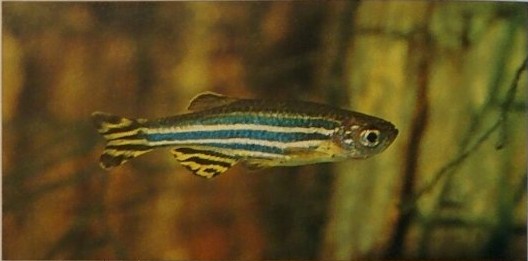 Zebra danio (Brachydanio rerio)
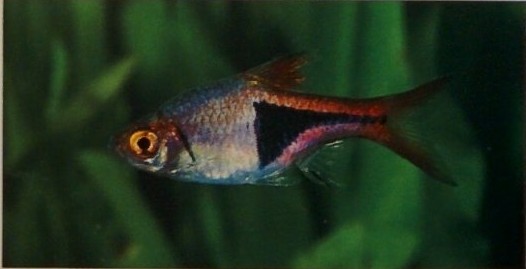 Harlequin rasbora (Rasbora heteromorpha)
Special considerations in captivity
Much of what applies to tetras is also valid for the small open-water cyprinids, except that they are generally ‘hardier' and many do not require, or appreciate, soft acid water. Some loaches also benefit from being kept in groups, while others, and the ‘sharks', can be territorial, squabbling among themselves and harassing other fishes. The Chinese algae eater or sucking loach (Gyrinocheilus aymonieri) is notorious for attaching itself to large, flat-sided fishes and feeding on their body mucus.
In addition, some of the small barbs have a deserved reputation for nipping the fins of other fishes, but this can often be remedied by keeping them in a shoal.
Breeding: As with most characins, parental care is unknown, so although eggs are commonly laid in the general community, intervention by the aquarist is necessary to produce fry. Plantspawners will require a well-planted breeding tank, while a substrate of marbles or Java moss should be used for eggscatterers (see page 76).
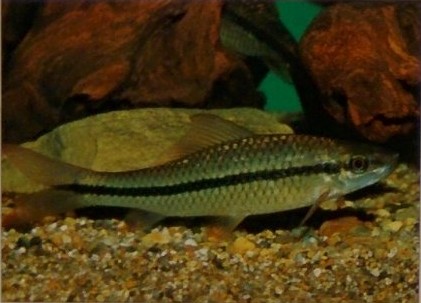 Black-banded Osteochilus (Osteochilus vittatus)
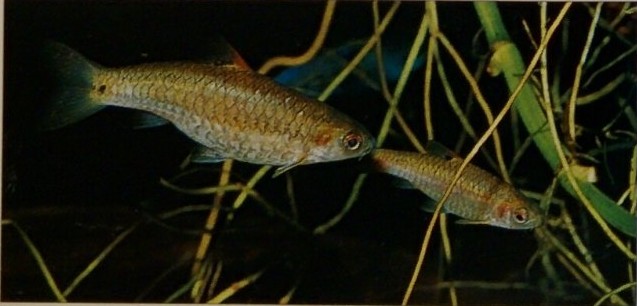 Two-spot barb (Barbus bimaculatus)
Catfish
Catfish (order Siluriformes) take their name from the whisker-like barbels around their mouths. The barbels are delicate and extremely sensitive organs of ‘taste' used to help find food, and are particularly useful for the many species that are nocturnal or lurk in dark or shady places. Catfish differ from most fish in that they are protected by thick skin or bony plates (scutes) instead of the usual scales. Some have mouths modified into suckers. They form an extremely large, diverse and widespread group (comprising 32 families) found all over the world and in salt as well as fresh water, although the majority are found in tropical freshwater biotopes of all types. Most catfish are bottom-dwellers.
The size range of catfish almost matches their geographical range: from a diminutive 2.5cm (1in) to 2.4m (8ft) or more. The largest are formidable predators, preying on snakes, frogs, toads, aquatic birds, and mammals, as well as other fishes. As is to be expected of such a large and varied group, however, all dietary types are included.
All are egglayers, with a diversity of breeding habits commensurate with the vast number of species. Some are known to practise parental care, but because most catfish are difficult to breed in captivity, their breeding habits are often unknown. One species substitutes its eggs for those of spawning mouthbrooding cichlids, and is thus an aquatic ‘cuckoo' – a fact that was discovered only by chance, by aquarists.
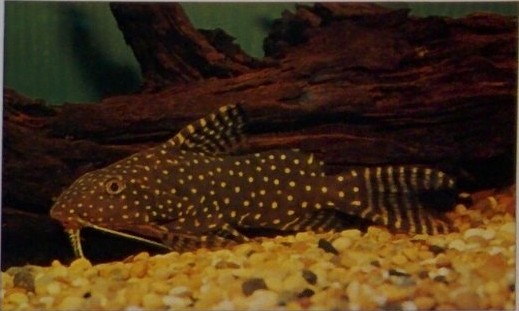 Synodontis angelicus, an African catfish.
Special considerations in captivity
The delicate barbels of bottom-dwelling species may be damaged by coarse substrates, leading to serious problems with bacterial and/or fungal infections; moreover, species with long barbels require careful handling. Equally the robust, sharp, dorsal and pectoral fin spines can become entangled in nets, and puncture both polythene bags and unwary aquarists.
Some very large species are delightful as youngsters and are often purchased by aquarists who do not realize the eventual size of these giants. Even those who are aware of this problem fail to realize the impossibility of housing their pet, when adult, in a domestic aquarium – and the zoos are already overwhelmed with outsize catfish who have outgrown their welcome in the living-rooms of suburbia.
Catfish have a long-standing reputation as aquarium scavengers, but in practice the majority require proper feeding (with a suitable diet at an appropriate time of day – or night), instead of the semi-starvation commonly inflicted on them through ignorance. Some of the suckermouth varieties may attach themselves to large, flat-sided tankmates and feed on their body mucus, causing physical and psychological damage.
Some species will gnaw wood if it is available, and are likely to be poisoned if the wood is varnished.
Breeding: It is necessary to research the breeding habits (if known) and aquarium techniques for individual species, or at least genera. Success is most likely in egg-guarding species such as Ancistrus.
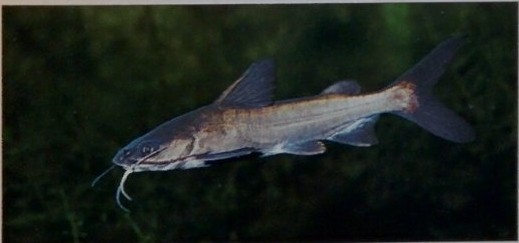 Arius jordani, an Australian catfish.
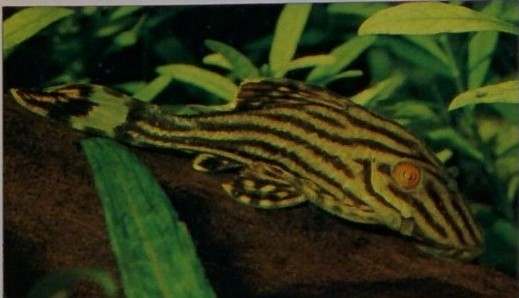 Panaque nigrolineatus, a South American catfish.
Cyprinodonts (Toothcarps)
The cyprinodonts can be divided into two distinct main subgroups. The livebearing toothcarps (family Poeciliidae) include some very popular, hardy, and easy to keep and breed types such as guppies, platies, swordtails and mollies. Of the egglaying toothcarps or killifishes (Cyprinodontidae), many are regarded as tricky if not difficult, and strictly for the specialist.
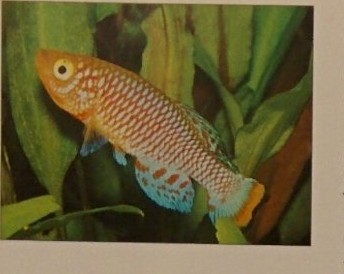 Nothobranchius rachovii, a killifish
Generations of careful selective breeding have produced fancy strains of some livebearers, and the original wild forms are now rarely – if ever – seen in captivity.
The group as a whole is largely tropical, with representatives in the Americas, Africa and Asia, while a few species are native to more temperate zones. In general, the livebearers are found in hard, sometimes brackish water, and the egglayers commonly in soft acid conditions, but there are exceptions.
Size ranges from 2cm (¾in) to 24cm (9.5in), so there are no monsters to beware of in this group, although some are, nevertheless, predatory. Most feed on insects, however, and some on vegetation, in the wild. Killies generally remain close to the water's surface, many having a flattened upper head and upward-opening mouth, allowing them to cruise just below the surface and snap up anything edible on it. Livebearers commonly venture into mid-water as well.
Some ‘killies' are what is termed annual fishes. These live very short lives in temporary pools, leaving their eggs to survive the drying up of the habitat and produce a new generation when the rains next come.
Special considerations in captivity
Most livebearers will take, and thrive on, dried foods, but many killifishes require live or frozen live foods.
Like many other surface-dwelling fishes, a primary escape mechanism of toothcarps is to jump from the water – and, if it lacks a close-fitting cover, out of the tank. In fact killies (especially the rarer, more expensive ones) have an uncanny ability to find the tiniest gap and commit suicide on the carpet.
The annual species are very shortlived – though generally not so much so as in the wild – and, since they are normally offered for sale only as well-coloured adults, may die of ‘old age' soon after purchase. However, their eggs, being able to withstand lack of water, can be sent from enthusiast to enthusiast by post in plastic bags of moist peat, and this is probably the best method of obtaining stock. [Publishers note: be aware that in some countries it is illegal to send fishes or fish eggs across provincial, state or international boundaries without a permit.]
Breeding: It is virtually impossible to avoid breeding livebearers, but they are liable to eat their own fry as soon as these are born, unless a breeding trap is used (see page 76). Considerable care and attention to stock selection is required, however, to produce ‘pedigree' strains, and this has become almost a hobby in itself.
Breeding killifish, annual and otherwise, requires considerable intervention by the aquarist. In general small breeding tanks are used, with spawning mops for non-annual plant-spawners and a substrate of loose peat for annual bottom-spawners. The eggs of the former group are normally hatched immediately in small containers, while the latter have to be dried out, stored in a warm place, then wetted weeks, or sometimes months, later to simulate the onset of the rains: fiddly, but great fun!
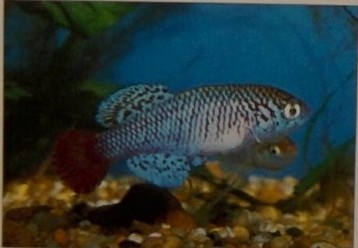 Nothobranchius patrizii<
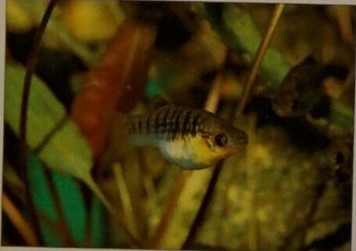 Poecilia nigrofasciata
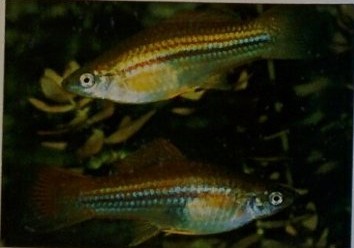 Green swordtails (Xiphophorus helleri)
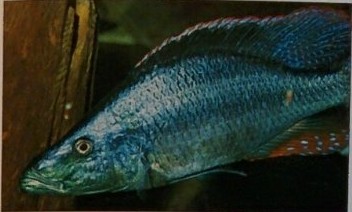 Amidiochromis compressiceps, a Lake Victoria cichlid.
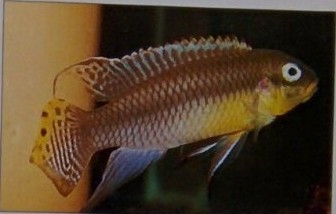 Pelvicachromis taeniatus, a West African dwarf cichlid.
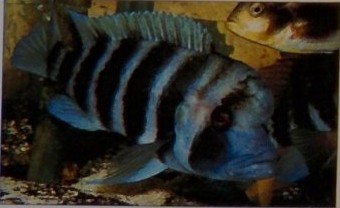 Cyphotilapia frontosa, a Lake Tanganyika cichlid.
Cichlids
Members of the cichlid family (Cichlidae) are found chiefly in tropical Africa and America, with a small handful of species in the Middle East and Asia. They range in size from 2cm (¾in) to almost a metre (36in), and are found in virtually all types of tropical freshwater biotope and sometimes in brackish water. It is sometimes said that if there is a freshwater ecological niche, or a potential food item, a cichlid will have evolved to fill or eat it!
This has resulted in a quite astonishing diversity of form and habits, especially among lake-dwelling African species, but they nevertheless share one behavioural characteristic, which has endeared them to aquarists while causing the latter problems almost beyond imagination: they all guard their eggs and fry, often for weeks or even months – to the detriment of anything foolish enough to approach the brood, for example tankmates in captivity.
Cichlids are nevertheless one of the most popular groups, especially with aquarists who want something more challenging than a simple underwater scene. Some are also gorgeously coloured, and most show more interest in their owner than other fishes, giving them a decided air of intelligence. Large specimens can make excellent pets.
They have evolved two major breeding strategies, with many minor variations: substrate-brooding, where the eggs are laid on a plant, rock, or branch, and the resulting fry shepherded; and mouthbrooding, where eggs are taken into the mouth after spawning, and the fully developed, often independent fry are released three to five weeks later.
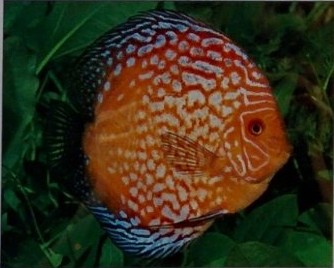 Pigeon blood discus (Symphysodon aequifasciata var.)
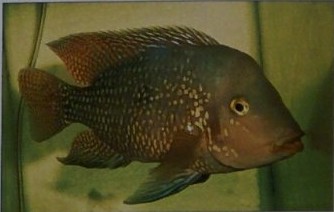 Pearl cichlid (Geophagus brasiliensis)
Special considerations in captivity
Although some species are relatively indestructible, many require not only correct water conditions but also a reasonable simulation of their natural surroundings in order to thrive.
However, far and away the most serious consideration must be the side-effects of their parental instincts. Even the smallest species commonly require 46cm (18in) or more of tank length to themselves when breeding, and are thus not suited to a small community aquarium. Some are highly territorial even when not breeding, and it can be difficult to persuade a male and female to accept each other. Many cichlids will reorganize their aquarium to provide a suitable nursery for their young, moving often prodigious quantities of substrate, undermining rockwork, uprooting plants, and, in the case of large individuals, even vandalizing equipment.
It is pointless to try and curb this strongly instinctive behaviour, but it can be managed, and most cichlid-keepers reckon the rewards outweigh the problems. Expert advice (from specialist books and experienced cichlid-keepers) is invaluable, even essential.
Breeding: Given the right environment and diet, and a compatible pair, breeding will usually occur. In the event of aggression by the male after spawning, he may have to be removed – in the case of substrate spawners – leaving the female to tend the eggs. In the case of mouthbrooders it is more usual to move the female to a separate brooding tank. Paternal and biparental mouthbrooders do not generally present this type of problem.
Brackish Water Fishes
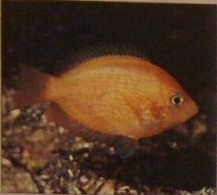 Orange chromide (Etroplus maculatus)
Freshwater and marine fishes – with the exception of a few migratory species such as the eel (Anguilla spp.) and salmon (various Salmo spp.) – are generally restricted to one category or the other. The same cannot be said of brackish water fishes, which commonly live their lives in conditions of varying salinity, ranging from effectively nil to that of the sea. Some are representatives of otherwise freshwater families (e.g. Cichlidae); others have cousins in both fresh and salt water (e.g. puffers (Tetraodontidae). A few small families – scats (Scatophagidae), monos (Monodactylidae), archerfishes (Toxotidae), mudskippers (Periophthalmidae) – can be classed as truly brackish, although some of these (monos and scats) live in the sea as adults and usually only immatures are found in brackish or fresh water.
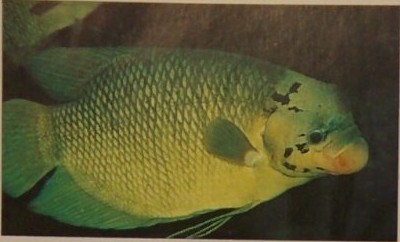 Giant gourami (Osphronemus goramy)
Anabantids (Labyrinth Fish)
This exclusively tropical group occurs only in Asia and Africa, and includes the gouramis (several families), paradise fish, combtails, and fighting fish (Belontidae), plus bush fish and climbing perch (Anabantidae). Some smaller species are excellent community fish, occupying the middle and upper layers of the aquarium.
Although diverse in size (2.5 to 70+cm; 1 to 30+in), appearance, and some habits, anabantids have the shared feature of being able to breathe atmospheric air, using a special organ called the labyrinth. This consists of a sac sited above the gills and containing additional gill-like structures designed to take up oxygen from air breathed in via the mouth. This permits survival in slow-moving or still, often stagnant habitats with oxygen-depleted water, such as irrigation ditches and rice paddies.
Many species feed mainly on insects, but others are herbivorous, omnivorous, or even predatory.
Care of eggs and fry is the norm, the male alone usually undertaking this role. In some species, a nest of bubbles is constructed, often among floating vegetation or debris, close to the surface where oxygen levels are highest. The eggs are placed, one by one, in this bubblenest by the male, and subsequently tended by him. Other species produce floating eggs which find their own way to the surface, where they are guarded by the male. Others are mouthbrooders.
Special considerations in captivity
In many species atmospheric respiration is essential to survival, so an air space must be left between the surface and the cover glass. At the same time the tank should be kept covered so that the air breathed is at approximately tank temperature – chilling may damage the labyrinth and is lethal to fry.
Although many species originate from polluted waters and are also tolerant of a wide range of hardness and pH, some require specific water chemistry and/or excellent quality. In general the smaller species are the most delicate. And although paradise fish are noted for their tolerance of low temperatures, most anabantids are not so accommodating and require a minimum temperature of 24°C (75°F), often higher.
The long pelvic fins of gouramis, and the flowing finnage of the male Siamese fighting fish (Betta splendens) are often irresistible to other fishes; if nipping becomes a problem, it may be necessary to identify and remove the culprit(s).
Breeding: Bubblenest builders require suitable surface vegetation, and water movement should be minimal or eggs/fry may be swept away. Breeding males may become extremely hostile towards tankmates, and the female may not be tolerated once spawning is over; male fighting fishes will fight to the death even when not breeding, and should not be kept together.
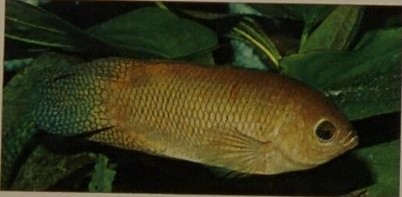 Belontia hasselti<
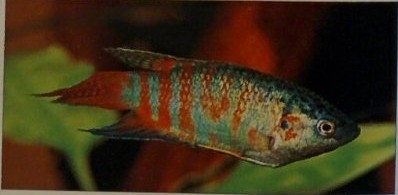 Paradise fish (Macropodus opercularis)

Leave a Reply