

Bringing a Puppy Home: The Checklist Every First-Time Dog Owner Needs
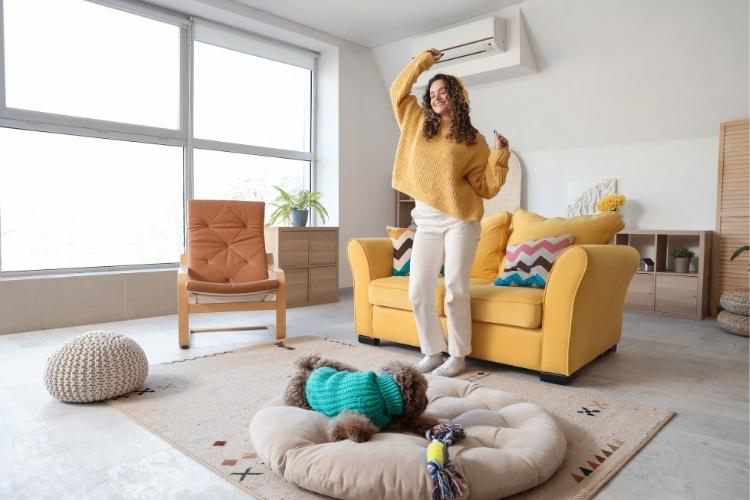 [Photo by piexelshot on Canva.]
Few things are as exciting as the day you bring a puppy home. But that excitement can turn into stress fast if you are not prepared. Puppies need structure from day one, and the first 48 hours set the tone for weeks of adjustment ahead. A bit of planning before your new dog arrives goes a long way toward a smoother transition for both of you.
This article walks through everything you need to have ready, from supplies and vet care to house setup and early training basics.
Supplies to Buy Before the Puppy Arrives
Stock up on essentials at least a few days before pickup or delivery day. Running out to a pet store with a confused puppy in tow is not ideal.
Start with a properly sized crate. For toy and miniature breeds, avoid oversized crates. A space that is too large defeats the purpose of crate training because puppies tend to soil one end and sleep in the other. Measure based on your puppy's expected adult size, or buy a crate with a divider you can adjust as the dog grows.
Beyond the crate, you will need stainless steel or ceramic food and water bowls (plastic harbors bacteria), a collar and leash, an enzymatic cleaner for accidents, poop bags, age-appropriate chew toys, and a comfortable bed or blanket. Avoid rawhide chews for puppies. They pose choking risks, especially for smaller breeds.
Stock a week's worth of whatever food the breeder has been using. Abrupt diet changes cause stomach issues. If you plan to switch brands, do it gradually over 7 to 10 days by mixing increasing amounts of the new food with the old.
Puppy-Proofing Your Home Room by Room
Think of a puppy the way you would think of a toddler with sharper teeth and no impulse control. Get down on the floor and look at each room from their height. Electrical cords, shoes, houseplants, cleaning supplies, medications, and loose objects on low shelves are all fair game.
Block off rooms you do not want the puppy accessing with baby gates or closed doors. Designate one puppy-safe area, usually the kitchen or a tiled room, where the dog will spend most of its unsupervised time in the first few weeks.
Move trash cans behind cabinets or switch to ones with secure lids. Tuck electrical cords behind furniture or run them through cord protectors. Check your houseplants against the ASPCA's toxic plant database. Common species like pothos, lilies, and sago palms are poisonous to dogs.
If you have a yard, inspect the fence for gaps. Toy-breed puppies can squeeze through openings you would never expect. Also check for toxic plants, sharp debris, and any chemicals like fertilizer or rodent bait.
Finding a Vet and Scheduling the First Visit
Book a veterinary appointment before the puppy comes home, ideally within the first 3 to 5 days of arrival. Even if the puppy arrives with vaccination records and a health clearance, an independent vet checkup establishes a baseline and catches anything that may have been missed.
At the first visit, the vet will review the vaccination schedule, check for parasites, discuss spaying or neutering timelines, and answer breed-specific health questions. Bring every document the breeder or platform provided: vaccination records, deworming history, microchip information, and any health guarantee paperwork.
If you are buying from an online breeder platform like HonestPet, most of this documentation should come in a digital package before the puppy even arrives. Platforms that vet their breeders and provide upfront health records simplify this process significantly. You can browse breed-specific options, including Miniature and Toy Poodles, through honestpet.com and see what documentation is included with each listing.
Ask your vet about pet insurance at this visit, too. Premiums are lowest when the dog is young, and many policies exclude pre-existing conditions, so enrolling early gives you the broadest coverage.
The First 48 Hours at Home
The ride home and the first night are the hardest parts. Your puppy has been separated from its mother and littermates, moved to an unfamiliar environment, and surrounded by new sounds and smells. Expect whining, accidents, and restlessness.
Keep things calm. Resist the urge to invite friends and family over immediately. Let the puppy explore its designated area at its own pace. Introduce family members one at a time, and keep interactions low-energy for the first day or two.
Set a feeding schedule right away. Three to four meals a day for puppies under four months, tapering to two meals a day by six months. Consistent feeding times lead to predictable bathroom times, which accelerates housebreaking.
Place the crate in your bedroom for the first few nights. Puppies settle faster when they can hear and smell you nearby. Expect to wake up once or twice for bathroom breaks. Puppies under 12 weeks cannot hold their bladder for more than a few hours.
Early Training and Socialization
Start basic training on day one. This means establishing routines and reinforcing good behavior from the start.
Use a consistent word for bathroom breaks (“outside” or “go potty”) and reward immediately with a treat and praise when the puppy does it in the right spot. Puppies learn through repetition and positive association, not punishment.
Begin leash training indoors before venturing outside. Let the puppy wear a light collar around the house so it gets used to the sensation. Short, positive sessions of about five minutes are plenty for a young dog's attention span.
Socialization is equally important. Between 3 and 14 weeks, puppies are in a critical developmental window where positive exposure to new people, sounds, surfaces, and animals builds long-term confidence. Carry your puppy to outdoor cafes, let it hear traffic sounds, introduce it to people wearing hats, sunglasses, and uniforms. After full vaccination, expand exposure to include other dogs and busier environments.
Final Thoughts
Bringing a puppy home is a commitment that lasts a decade or longer, and how you handle the first few weeks sets the foundation for the dog's behavior and temperament going forward. The checklist is straightforward: gather supplies, puppy-proof the house, line up a vet, and start training from the moment the dog walks through the door.
839GYLCCC1992

Leave a Reply