

How College Football Betting Lines Reflect Team Expectations Throughout the Season
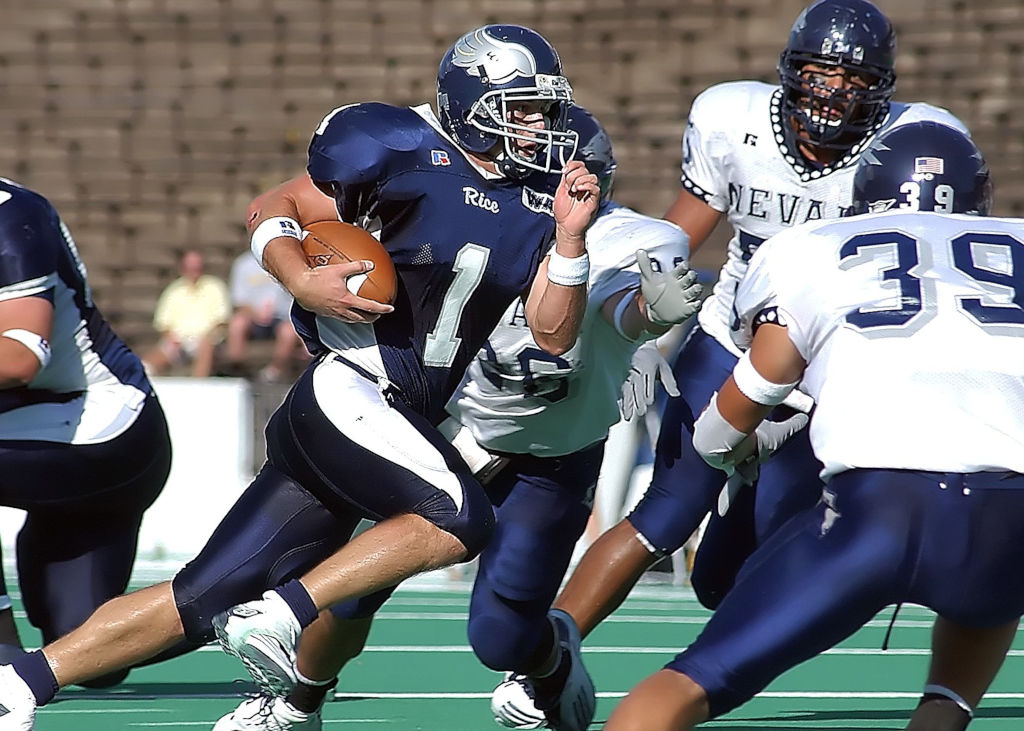
College football is one of the most unpredictable sports, and betting lines reflect that uncertainty throughout the season. Teams can meet early expectations or surprise fans, and each week can shift how they are viewed and what people expect next.
These shifting expectations also show up in the betting market, where sportsbooks regularly update projections as new information changes team outlooks. Understanding those adjustments offers a clearer view of college football's changing competitive landscape.
Preseason Betting Lines Establish Early Team Expectations
Before the college football season starts, sportsbooks estimate each team's strength using last season's record, returning players, coaching changes, and recruits. Teams that performed well the previous year may receive stronger projections, especially if key players return. However, past success does not always carry over into the new season.
Sportsbooks use these predictions to set CFB odds for upcoming games and championship futures. For example, a team with an experienced quarterback and a strong offensive line may be favored against a team with several new starters. These futures also show which teams are expected to compete for the national title. As the season begins, actual game results help sportsbooks adjust their early predictions.
Unexpected Game Results Force Major Line Adjustments
Early projections can change quickly when teams begin playing. A highly ranked program might suffer an unexpected defeat, raising concerns about its offense, defense, or overall preparation. Meanwhile, an underdog that defeats a strong opponent may receive more favorable projections in its next game. Sportsbooks also examine how those results happened rather than relying solely on final scores. Betting activity can influence lines too, as sportsbooks adjust prices in response to wagers and changes in market expectations.
A close loss against a nationally ranked opponent may suggest that a team is stronger than its record indicates. In contrast, a narrow victory against a struggling program can raise questions about a favorite's ability to compete against tougher opposition. Together, these details help explain why college football betting lines can change even when a team's overall win-loss record appears relatively stable. The quality of each performance often matters as much as the final result.
Quarterback Injuries Can Quickly Change Team Projections
Game results aren't the only factors that shape expectations. Player availability also matters, especially when a team's starting quarterback is injured. The quarterback directs the offense, makes important passing decisions, and often determines how effectively the team moves the ball. Losing an experienced starter can create uncertainty about offensive production in upcoming games.
The backup quarterback's experience becomes important when sportsbooks reassess the team. A replacement who has played in several important games may be better prepared than a first-year student with little experience. Coaches may also change their offensive approach by relying more heavily on running plays or shorter passes. As a result, these adjustments can affect point spreads and expected scoring totals until the replacement shows what the offense can do.
Conference Matchups Reveal Differences Between Competing Teams
After the opening weeks, conference games provide another chance to see how strong each team is. SEC, Big Ten, ACC, and Big 12 teams regularly face opponents they know well. These games help sportsbooks understand how teams perform against strong competition. A team that easily defeated weaker opponents early in the season may struggle against tougher conference rivals.
College football game previews and analysis can help explain how rival teams match up, particularly when conference standings and championship opportunities are at stake. These matchups also allow sportsbooks to compare teams that have faced the same opponents. For example, two title contenders may have played against the same team earlier in the season. Their results can show differences in offensive and defensive performance. At the same time, injuries, game locations, and other factors can also affect future betting lines.
Playoff Contention Changes Championship Futures and Expectations
The final weeks of the regular season bring more attention to the College Football Playoff race. Teams with strong records and key wins may see their championship odds improve, suggesting a better chance of winning the title. Meanwhile, a major loss can hurt a team's chances, especially when other contenders continue winning. Conference standings, remaining games, and possible playoff opponents also shape these predictions.
Championship futures are different from point spreads for individual games. Point spreads indicate the expected margin between two teams, while championship futures reflect the market's assessment of each team's chances of winning the national title. As the playoffs get closer, sportsbooks update these odds based on each team's chances of reaching the final. This shows why a team can be expected to win its next game without being a strong championship contender.
Betting Lines Track Changing College Football Expectations
College football betting lines track changing expectations throughout the season. Early projections point to likely contenders, but actual games reveal strengths and weaknesses that can alter future lines. Injuries, conference games, defensive performances, and rivalry matchups all affect those predictions. As the playoffs near, championship odds show which teams are seen as strong national title contenders.
839GYLCCC1992

Leave a Reply