

How Modern Heating Technology Is Changing Climate Control
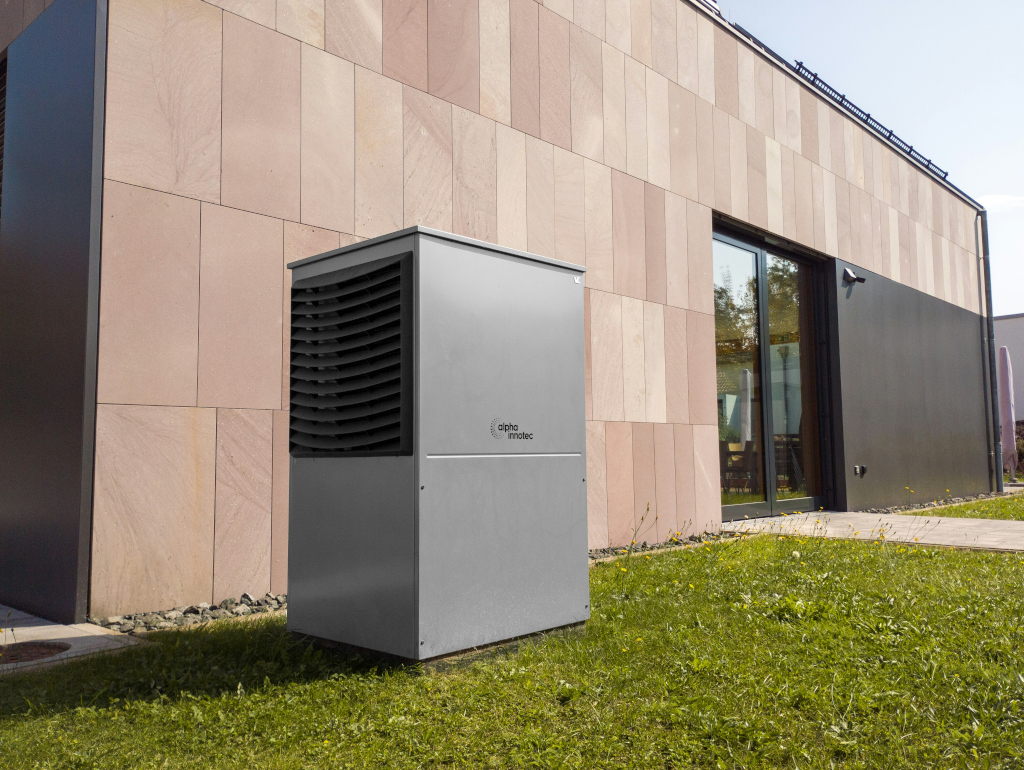 Image Credit: Unsplash
When you think about staying warm, you probably picture a furnace humming in a basement. For decades, that's been the standard for heating homes and businesses. But just like every other part of our lives, climate control is quietly changing. We're moving past the familiar roar of old systems toward smarter, more efficient, and safer ways to heat.
Evolution of Heating Technology
People have always looked for ways to stay warm. Early humans gathered around open fires, which provided simple, direct heat and brought communities together. Over time, this led to enclosed fireplaces and wood-burning stoves, which kept heat in better and were safer. The Industrial Revolution was a big turning point, bringing in central heating with coal-fired boilers that sent steam or hot water through pipes and radiators.
The 20th century saw gas, oil, or electric forced-air furnaces become common. This system, along with ductwork, became the main way we heat, ventilate, and air condition (HVAC). For a long time, the focus was just on how much power a system had and how much area it could cover. But in recent decades, the conversation has shifted to efficiency, control, and how systems work together. Today, the future of home heating points to smart systems that learn our habits, cut down on waste, and adjust to what we need with amazing accuracy.
Why Traditional Systems Fall Short
Even though traditional furnaces and boilers are reliable, they have their limits. Many of these systems just turn on and off, which causes temperatures to go up and down and wastes energy. An outdated traditional approach often means heating a whole building to one temperature, even if some rooms aren't being used. This approach wastes a lot of energy.
Ductwork, which is like the circulatory system for forced-air heating, is another common problem area. The U.S. Department of Energy says that typical duct systems can lose 20% to 30% of the air moving through them because of leaks, holes, and bad connections. That's heated air you paid for escaping into walls, crawlspaces, and attics. Plus, old-fashioned combustion systems create emissions and need regular upkeep to be safe. This creates issues with both air quality and long-term costs.
Flameless Heat for Modern Needs
One of the biggest breakthroughs in heating is the move to flameless solutions. By getting rid of open flames, these systems offer a safer and cleaner option for many uses. Flameless heat can come from several sources, like electric resistance, catalytic processes, or advanced heat exchangers that move heat without a flame.
The advantages are significant. First and foremost is safety. Without a flame, the risk of fire drops a lot, which is crucial in places with flammable materials or in tight spaces. Second, these systems don't produce harmful byproducts like carbon monoxide or nitrogen oxides, so the air stays clean and breathable. This makes them perfect for indoors, temporary buildings, and anywhere clean air is a top priority. For demanding industrial environments where reliable temporary heating is essential—such as construction sites, oil and gas operations, and emergency response projects—Jet Heat systems provide flameless temporary heating that helps maintain safe working conditions without the risks associated with direct-fired equipment. This approach to clean, controlled heating is increasingly being adopted across a variety of commercial applications.
Efficiency and Environmental Impact
The push for better heating is closely tied to saving energy and being kinder to the environment. Modern systems aren't just made to create heat; they're designed to do it with very little waste. Heat pumps are a great example of this change. Instead of burning fuel to make heat, they work like an air conditioner in reverse. They grab heat from the outside air, ground, or a water source and move it inside. They can deliver several times more heat energy than the electrical energy they use.
Beyond the equipment itself, smart technology is changing how we manage our indoor climate, while advances in thermal management continue to improve efficiency and environmental impact across commercial and industrial operations. Zoning systems take this further, letting you set different temperatures in different parts of a building. This means you can keep your living room warm without overheating bedrooms that aren't being used. These and other most innovative heating systems make it easier than ever to cut down on both your energy bills and your carbon footprint.
The Importance of Matching Heating Solutions to the Environment
Not every heating solution is suitable for every setting, which is why choosing equipment based on the environment is just as important as considering energy efficiency. Industrial facilities, warehouses, construction sites, and temporary structures often have different safety requirements than homes or office buildings. Factors such as ventilation, available power sources, building occupancy, and the presence of combustible materials all influence which heating technology is most appropriate. Evaluating these conditions before selecting a system helps improve performance, supports workplace safety, and reduces the likelihood of costly interruptions caused by equipment that isn't designed for the demands of the job.
Future Trends in Climate Control
The future of heating is all about systems that work together, are smart, and super-efficient. We're heading toward a world where our climate control isn't just a separate appliance but a full part of a smart home or building. Artificial intelligence will play a bigger role, with systems that don't just follow a schedule but also guess what you'll need based on weather, how many people are around, and even real-time energy prices.
New materials are also helping with these advances. Phase-change materials, which can soak up and release a lot of heat as they melt and harden, could store heat from solar panels or cheaper off-peak electricity for later use. We'll also see more localized heating solutions, with small, super-efficient units providing warmth exactly where and when it's needed. This will cut down on the energy lost with central systems and ducts. These ongoing innovations in thermal energy systems are bridging the gap between old methods and new tech, creating a more sustainable and comfortable future.
As these technologies become easier to get, how we think about heating will completely change. It will be less about just generating heat and more about smart, responsive climate management that puts comfort, safety, and sustainability first.
839GYLCCC1992

Leave a Reply