

What to Do When Your Pet Needs Emergency Care
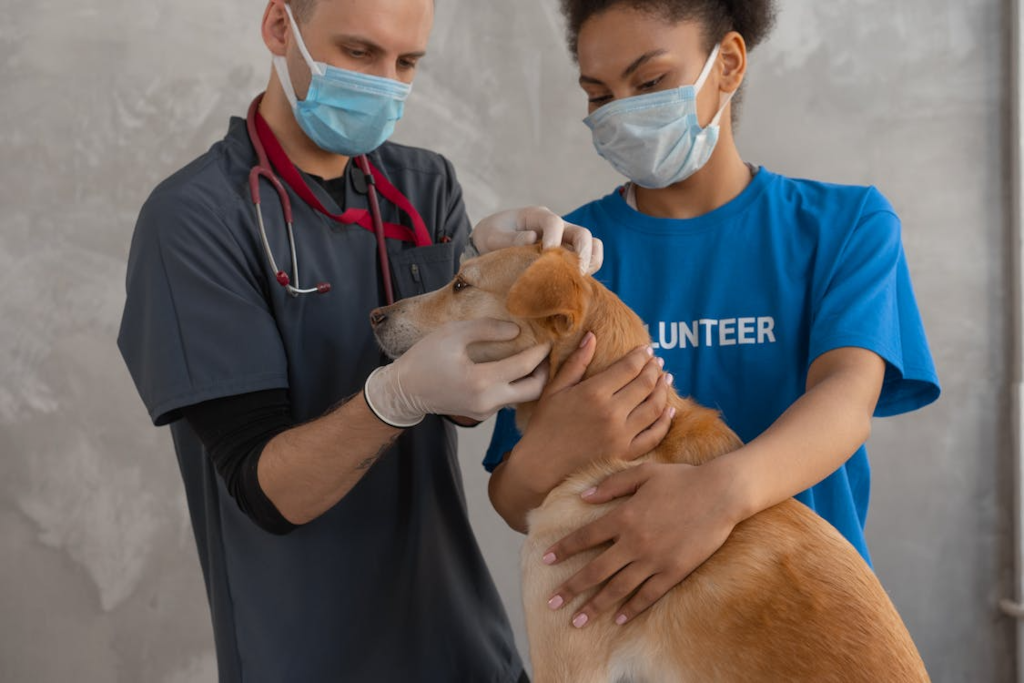
Every year, one in three pets experiences a health emergency that requires immediate veterinary attention, according to the American Veterinary Medical Association's 2024 practice data. Yet most pet owners find themselves completely unprepared when their dog collapses after eating something toxic or their cat suddenly struggles to breathe. The difference between a positive outcome and tragedy often comes down to the decisions made in those first critical minutes—decisions that require knowledge most people simply don't have until they desperately need it.
The pet emergency care landscape has evolved dramatically in recent years. More veterinary clinics now offer extended hours, telemedicine consultations help owners assess situations remotely, and specialized urgent care facilities bridge the gap between regular vet visits and full emergency hospitals. But these advances only help if pet owners know how to recognize genuine emergencies and take appropriate action before professional help arrives.
For the millions of pet owners who consider their animals family members, understanding emergency response isn't just helpful—it's essential. The moments between recognizing a crisis and getting professional help can determine whether your pet recovers fully, faces long-term complications, or doesn't make it at all. What follows is the practical guidance that can make those moments count.
Why Immediate Action Matters in Pet Emergencies
Time operates differently in veterinary emergencies than it does in human medicine. While a person experiencing chest pain might have hours to seek treatment, a dog with bloat can go into shock within 30 minutes. Cats hiding sudden pain—an evolutionary survival mechanism—can mask life-threatening conditions until they're nearly beyond help. The biological reality is stark: delayed intervention in genuine pet emergencies frequently means the difference between recovery and permanent damage or death.
Consider the pet owner whose dog suddenly becomes lethargic and refuses food on a Friday evening. They decide to wait until Monday to call their regular veterinarian, assuming it's just an upset stomach. By Monday morning, what started as early signs of poisoning or internal bleeding has progressed to organ failure. This scenario plays out in emergency clinics nationwide because many pet owners don't recognize the urgency of subtle early symptoms.
The physiology behind this urgency stems from how quickly pets can deteriorate once their systems begin failing. Unlike humans, who might experience gradual symptom progression, pets often maintain normal behavior until they reach a tipping point, then decline rapidly. A cat with urinary blockage might seem slightly uncomfortable in the morning but be in life-threatening distress by evening. Dogs experiencing heatstroke can progress from panting heavily to collapse in under an hour.
Emergency veterinarians consistently report that pets brought in within the first few hours of symptom onset have significantly better prognosis than those whose owners waited to see if things improved. Early intervention doesn't just improve survival rates—it often reduces the intensity and cost of required treatment. What might be resolved with IV fluids and monitoring in the first two hours could require surgery and intensive care by hour six.
How to Recognize Signs of Pet Distress and Emergencies
Identifying Common Emergency Situations and Behavioral Changes
The challenge with recognizing pet emergencies lies in distinguishing between behaviors that look alarming but aren't dangerous and subtle signs that indicate genuine crisis. A dog vomiting once after eating too quickly differs dramatically from a dog experiencing repeated, projectile vomiting that could signal poisoning or obstruction. Learning to read these differences can prevent both unnecessary panic and dangerous delays.
Breathing difficulties present one of the clearest emergency indicators, but they manifest differently across species and situations. Dogs experiencing respiratory distress often exhibit open-mouth breathing when not hot or exercising, blue-tinged gums, or breathing that appears labored even at rest. Cats showing breathing problems might extend their necks, breathe with their mouths open, or make visible effort with their abdominal muscles to breathe. Both species might seek cool, hard surfaces like bathroom tiles when struggling with respiratory issues.
Neurological emergencies create some of the most frightening but recognizable symptoms. Seizures lasting longer than two minutes, repeated seizures within an hour, or any seizure in a pet that's never had one before requires immediate attention. Similarly, sudden loss of coordination, head tilting, circling, or apparent blindness can indicate stroke, poisoning, or severe blood sugar fluctuations that need urgent intervention.
Gastrointestinal emergencies often start subtly but escalate quickly. Repeated vomiting, especially when accompanied by lethargy or abdominal pain, can indicate everything from foreign object obstruction to organ failure. Dogs attempting to vomit but producing nothing—particularly large, deep-chested breeds—might be experiencing gastric torsion, a condition that kills within hours without surgical intervention. Cats straining in the litter box without producing urine represent another hours-not-days emergency, as urinary blockage can cause fatal kidney damage rapidly.
Sudden behavior changes that seem out of character often signal internal problems pets can't communicate directly. A social pet suddenly hiding, aggressive behavior in normally gentle animals, or dramatic changes in appetite or water consumption can indicate pain, organ dysfunction, or neurological issues requiring professional assessment.
How to Provide Basic Emergency Care Before the Vet
Managing Hydration and Breathing Difficulties
When breathing problems strike, your priority shifts to supporting your pet's oxygen intake without causing additional stress. Move the animal to a cool, well-ventilated area immediately—hot environments compound respiratory distress regardless of the underlying cause. Remove any collar or harness that might restrict neck movement, but avoid restraining the pet unless absolutely necessary for transport, as stress exacerbates breathing difficulties.
For overheated pets showing heat-related breathing problems, apply cool—not cold—water to the paw pads, belly, and inside of the ears. Avoid ice or extremely cold water, which can cause blood vessels to constrict and actually trap heat inside the body. Offer small amounts of cool water if the pet is conscious and able to drink voluntarily, but never force water into the mouth of a pet having breathing trouble.
If the pet's gums appear blue or white, time becomes critical. These color changes indicate inadequate oxygen circulation and require immediate veterinary intervention. During transport, keep the pet's head elevated if possible and maintain as calm an environment as possible—your own stress level directly affects your pet's anxiety and breathing effort.
Responding to Poisoning and Injuries at Home
Suspected poisoning scenarios demand immediate contact with veterinary professionals or pet poison control hotlines before attempting any home treatment. Never induce vomiting unless explicitly instructed by a veterinary professional, as some substances cause more damage coming back up than staying down. If you know what the pet ingested, gather the packaging or take photos of the substance to share with the veterinary team.
For visible injuries, control bleeding takes priority over other concerns. Apply direct pressure using clean cloth or gauze, maintaining steady pressure for several minutes rather than repeatedly lifting the material to check progress. If blood soakes through, add more layers on top rather than removing the original material, which might disrupt clot formation.
Fracture management requires careful handling to prevent additional injury during transport. Support the injured limb above and below the suspected break point if possible, but prioritize getting to professional help over perfect immobilization. Most pets naturally protect injured areas, so avoid forcing movement or positioning that increases their distress. For suspected spinal injuries, slide the pet onto a rigid board or large towel before transport, keeping their body as straight and stable as possible.
Chemical burns or contact with household hazardous substances require immediate flushing with large amounts of cool water for at least 15 minutes. Remove any contaminated collar or clothing, but protect yourself from exposure to the same substance. Document what caused the exposure and when it occurred, as this information significantly affects treatment decisions.
How Urgent Care Differs from Emergency Vet Services
The distinction between urgent care and emergency veterinary services often confuses pet owners facing crisis situations, but understanding the difference can save both time and money while ensuring appropriate care levels. Emergency veterinary hospitals operate as the equivalent of human emergency rooms—equipped for life-threatening situations, complex surgeries, and intensive monitoring around the clock. These facilities maintain specialized equipment like ventilators, advanced imaging technology, and surgical suites staffed by emergency-certified veterinarians.
Urgent care veterinary clinics handle situations that need prompt attention but don't require the intensive intervention capabilities of full emergency hospitals. Think of conditions like minor cuts requiring stitches, urinary tract infections, mild poisoning cases, or injuries that need professional assessment but aren't immediately life-threatening. These facilities often offer extended hours and weekend availability while maintaining lower costs than emergency hospitals.
The decision between urgent care and emergency services depends largely on symptom severity and progression speed. Pets experiencing active seizures, severe breathing difficulties, major trauma, or signs of shock need emergency hospital intervention. Situations where seeking urgent pet assistance makes sense include persistent vomiting without other severe symptoms, limping that developed gradually, or skin irritations that seem uncomfortable but not painful.
Cost differences between these options can be substantial—emergency hospitals typically charge facility fees ranging from $150 to $300 before any treatment begins, while urgent care visits often cost comparable to extended-hours regular veterinary appointments. However, attempting to save money by choosing urgent care for genuine emergencies can backfire if the pet requires transfer to an emergency facility anyway, resulting in duplicate examination fees and dangerous delays.
Most urgent care facilities maintain relationships with local emergency hospitals for seamless transfers when cases exceed their treatment capabilities. This system works well for borderline situations where the severity isn't immediately apparent—urgent care veterinarians can provide initial assessment and stabilization while determining whether emergency hospital transfer is necessary.
How to Prepare for Pet Emergencies and Build an Emergency Kit
Essential Items and Training for Emergency Readiness
Emergency preparedness for pets requires both physical supplies and knowledge-based readiness that most pet owners never consider until crisis strikes. A well-stocked pet emergency kit should include basic first aid supplies: gauze pads, adhesive tape, scissors, digital thermometer, and saline solution for wound cleaning. Include a week's worth of any prescription medications your pet takes regularly, along with copies of vaccination records and medical history in waterproof storage.
Transportation readiness often determines emergency outcome success. Maintain a sturdy carrier appropriate for your pet's size in easily accessible storage, even for dogs that normally travel unrestrained. Injured or panicked animals behave unpredictably, and secure transport protects both the pet and the people helping them. Practice loading your pet into the carrier during calm moments, making the experience familiar rather than adding to their stress during actual emergencies.
Information preparedness involves more than just knowing your veterinarian's phone number. Keep emergency veterinary hospital contact information easily accessible, including after-hours facilities in your area. Research 24-hour animal poison control hotlines and keep those numbers in your phone and posted in your home. Document your pet's normal vital signs—heart rate, breathing rate, and temperature—so you can recognize abnormal values during emergencies.
Training yourself to handle basic emergency situations pays dividends when seconds count. Learn how to safely restrain your pet for examination or treatment—techniques that protect both of you from injury while allowing assessment of the problem. Practice taking your pet's pulse and respiratory rate during healthy moments, creating familiarity with normal ranges and examination techniques. Understanding how to safely transport an injured pet, including improvised stretcher techniques for larger dogs, can prevent additional injury during crisis situations.
Consider the broader emergency scenarios that might affect your pet's wellbeing beyond medical crises. Natural disasters, power outages, or situations requiring evacuation demand different preparation strategies. Maintain portable food and water supplies, know which hotels or shelters in your area accept pets during emergencies, and ensure your pet's identification tags and microchip information stay current. The planning you do during calm periods directly impacts your options and effectiveness when genuine emergencies arise.
The reality of pet ownership includes accepting that emergency situations will eventually occur despite your best preventive efforts. The difference between pet owners who navigate these crises successfully and those who struggle lies not in avoiding emergencies altogether, but in recognizing them quickly, responding appropriately, and maintaining the preparedness that turns panic into effective action. When that moment comes, your pet's outcome will depend on the knowledge and preparation you've developed beforehand.
839GYLCCC1992

Leave a Reply