

What Happens During a Hearing Test?
There are certain health checks most of us know we shouldn't ignore. These will include dental health, eyesight checks, and all recommended screenings, especially for individuals who have a history of cancer in their family. There is also an important point to make about mental health checkups. Hearing health is also part of these routine checkups.
However, hearing checks are easy to overlook. Part of the problem is that hearing loss isn't always sudden. That is where a routine hearing test can identify potential changes and provide a useful baseline for monitoring your hearing health in the future.
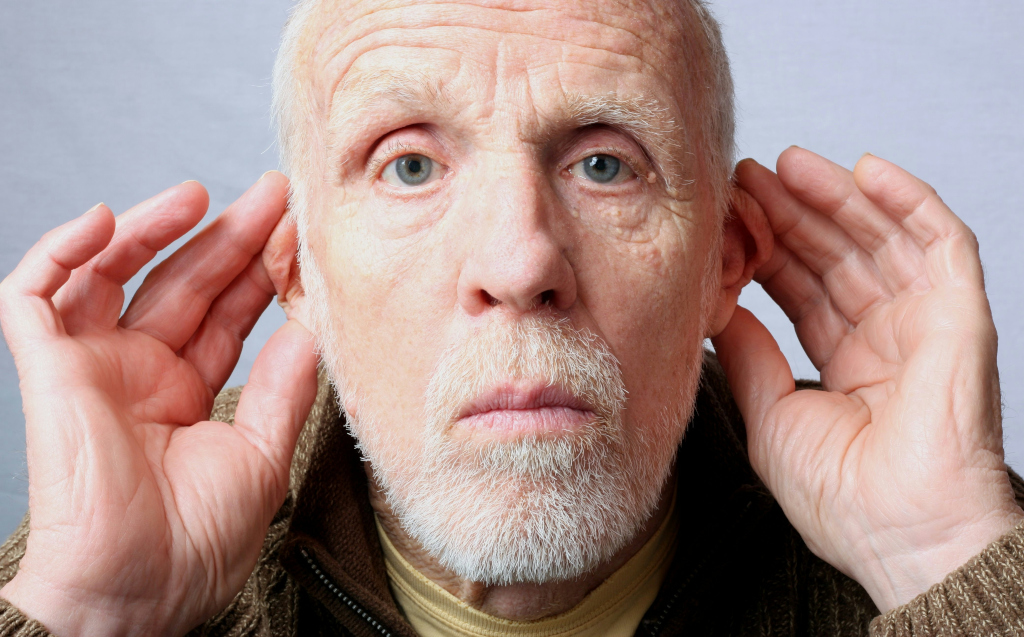
Signs It Is Time to Check Your Hearing
Not being able to hear something isn't always as obvious as you might expect. Besides, there may be a lot of reasons that do not relate to your hearing health. People can get distracted or have so much on their mind that they don't pay attention to a conversation, and this is not a problem with your ears. But when you find yourself turning the TV up more than usual and for longer, or avoiding places that are crowded because you can't follow conversations in the background noise, it is probably time to think about it.
Other signs include:
- Asking people to repeat themselves
- Thinking that everyone is mumbling
- Buzzing or ringing in the ears
If these experiences have become familiar, it may be sensible to speak with a professional and get a hearing test sooner rather than later.
What To Expect During a Hearing Test
A hearing test usually starts with a conversation during which the specialist may ask about your medical history, symptoms, medications, exposure to loud noises, etc.
They may examine your ears using an otoscope, which allows them to look inside the ear canal and check the eardrum. This helps reveal visible problems like excessive earwax.
Pure-tone audiometry is probably the test most people imagine when they think about hearing tests. During this, you wear headphones and listen to a series of tones at different pitches and volumes. Your role is to indicate when you hear a sound and in which ear. This helps establish the quietest sounds you can detect at different frequencies.
Speech testing is also used to assess how well you can recognize spoken words. This can also be used alongside background noise to check your ability to understand speech in loud environments.
Tympanometry is a test using a small probe to change the air pressure inside the ear canal. This assesses the functions of the eardrum and middle ear.
Not everyone will require the same tests, which is the point of having a conversation with a hearing professional at first.
What Happens After the Hearing Test?
Results are immediate, and you can usually discuss them just after the assessment. If your hearing falls within a normal range, you may simply be advised on how to protect your hearing and when to return for another checkup.
If hearing loss is detected, the next steps will depend on its cause, type, and severity. You can receive a range of recommendations, from wearing assistive devices to being referred for further medical investigations. Sometimes, hearing loss can be linked to medications, which means it may be managed with a change of medication.
Whatever your results, prevention still matters, and you can learn how when attending a hearing test. Giving your hearing the attention it deserves can help protect it for longer.
839GYLCCC1992

Leave a Reply