

How Your Home Environment Shapes Mental Wellbeing
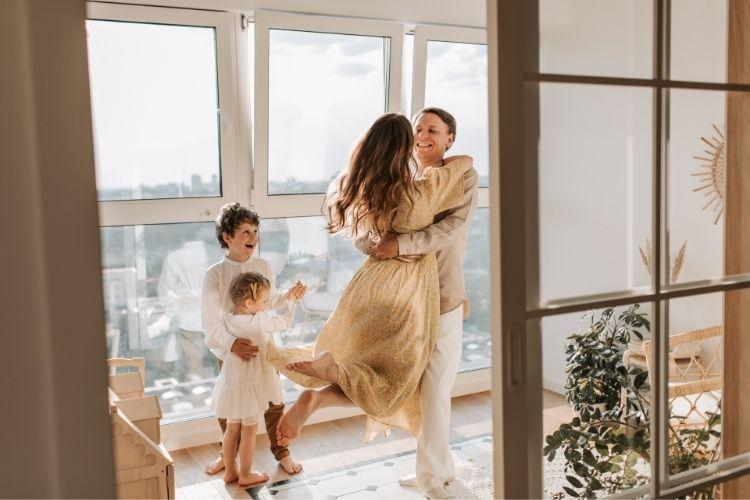 [Photo by Vlada Karpovich from Pexels on Canva.]
Home is more than just a place to eat and sleep. It's where many of us unwind after busy days, connect with family, pursue hobbies, and work. As our lives have become more centred around the home, researchers have gained a deeper understanding of how our surroundings can influence our mental well-being.
While no single room or piece of furniture can determine how we feel, our environment plays a meaningful role in shaping stress levels, mood, focus, and even the quality of our sleep. The colours we choose, the amount of natural light we receive, the comfort of our furniture, and the level of clutter in our living spaces all contribute to our daily experience.
Creating a home that supports mental well-being doesn't require a complete renovation. Often, thoughtful changes can make a noticeable difference.
Comfort Is More Than a Luxury
When people think about improving their homes, comfort is often viewed as an indulgence. In reality, comfort supports both physical and mental well-being.
After a demanding day, having a space where you can genuinely relax helps your body shift away from the heightened alertness associated with stress. Comfortable seating, calming surroundings, and spaces designed for relaxation encourage moments of recovery that many people overlook.
For those updating their living spaces, choosing high-quality, thoughtfully designed furniture, such as luxury sofas from Soulfa, can contribute to creating an environment that's both inviting and restorative. While furniture alone isn't a solution for stress, a comfortable home supports the everyday habits that help people recharge.
Natural Light Can Lift Your Mood
One of the most well-established links between home environments and mental health involves natural light.
Exposure to daylight helps regulate the body's circadian rhythm, which influences sleep, energy levels, and mood. Limited natural light has also been associated with symptoms of seasonal affective disorder (SAD), a form of depression that follows seasonal patterns.
Simple changes can maximise daylight indoors:
- Open curtains during the day.
- Position seating near windows.
- Use mirrors to reflect natural light.
- Avoid blocking windows with bulky furniture.
If natural light is limited, full-spectrum lighting may help create a brighter living environment, particularly during winter months.
Clutter Creates Mental Noise
Many people describe feeling calmer after tidying their homes, and research suggests there's good reason for this.
Visual clutter competes for our attention. When every surface is covered with objects, our brains must process more information, making it harder to focus and relax.
Decluttering doesn't mean striving for a minimalist home. Instead, it's about creating spaces that feel manageable and functional for the people who live there.
A few practical strategies include:
- Keeping frequently used items organised.
- Creating designated storage spaces.
- Tackling one room at a time rather than the whole house.
- Regularly donating items that are no longer needed.
Colour Influences How a Space Feels
Colour psychology isn't an exact science, but there's evidence that colours can influence emotional responses.
Soft blues and greens are commonly associated with feelings of calm, while warm neutrals often create a sense of comfort. Brighter colours, such as yellow, may encourage energy when used thoughtfully, whereas intense reds can feel stimulating in some settings.
The key is balance. Rather than following trends, choose colours that make your own home feel peaceful and welcoming.
Personal preference matters just as much as design principles.
Bringing Nature Indoors
Humans have long been connected to the natural world, and our homes can benefit from that relationship.
Houseplants, natural materials, and outdoor views have all been linked with improved well-being. Researchers describe this concept as biophilic design, design that strengthens our connection with nature.
Adding greenery doesn't require transforming your living room into a greenhouse. Even a few low-maintenance plants or natural wood finishes can make a room feel warmer and more inviting.
Where possible, opening windows for fresh air or spending time in outdoor spaces also complements the indoor environment.
Creating Spaces for Different Activities
Modern homes often serve multiple purposes. The dining table becomes an office, the living room becomes a gym, and the spare bedroom becomes a workspace.
Without clear boundaries, it can become difficult for the brain to switch between work and relaxation.
Creating dedicated zones, even within a single room, can help.
For example:
- Keep work equipment in one area.
- Reserve another corner for reading or hobbies.
- Avoid working from bed whenever possible.
- Create small routines that signal the end of the working day.
These habits reinforce psychological boundaries, making it easier to relax when work is finished.
Noise Matters More Than We Realise
Background noise has a significant impact on well-being.
Persistent traffic, loud neighbours, or constant television can increase stress and make concentration more difficult.
While eliminating noise isn't always possible, there are ways to reduce its impact:
- Soft furnishings absorb sound.
- Rugs and curtains reduce echoes.
- White noise machines can mask distractions.
- Playing calming music at low volume may create a more peaceful atmosphere.
Even small improvements in acoustic comfort can make a home feel more relaxing.
A Home That Reflects You
Perhaps the most overlooked aspect of well-being is personal connection.
Homes that reflect the people living in them often feel more comforting than spaces designed purely around trends.
Displaying meaningful photographs, artwork, books, travel souvenirs, or handmade items creates a stronger sense of belonging. These personal touches remind us of positive experiences and relationships, helping transform a house into a place of emotional security.
The goal isn't perfection. It's creating an environment where you feel comfortable being yourself.
Conclusion
Our homes influence us in subtle but meaningful ways every day. Natural light, comfortable furniture, thoughtful organisation, calming colours, reduced noise, and personal touches all contribute to spaces that support mental wellbeing.
Creating a healthier home doesn't require expensive renovations or dramatic makeovers. Small, intentional improvements can help make everyday life feel calmer, more comfortable, and more restorative.
As research continues to explore the relationship between our surroundings and mental health, one message remains clear: the spaces we live in shape how we think, feel, and recover. By designing homes that prioritise comfort, functionality, and personal wellbeing, we create environments that support not only how we live but also how we flourish.
References
- American Psychological Association. The Link Between Clutter and Stress.
- Princeton University Neuroscience Institute. Interactions of Top-Down and Bottom-Up Mechanisms in Human Visual Cortex.
- World Health Organization. Mental Health.
- Harvard T.H. Chan School of Public Health. Healthy Buildings Program.
- Kellert, S. R. Nature by Design: The Practice of Biophilic Design.
839GYLCCC1992

Leave a Reply