

7 Kit Mistakes to Fix For Easier Long Rides
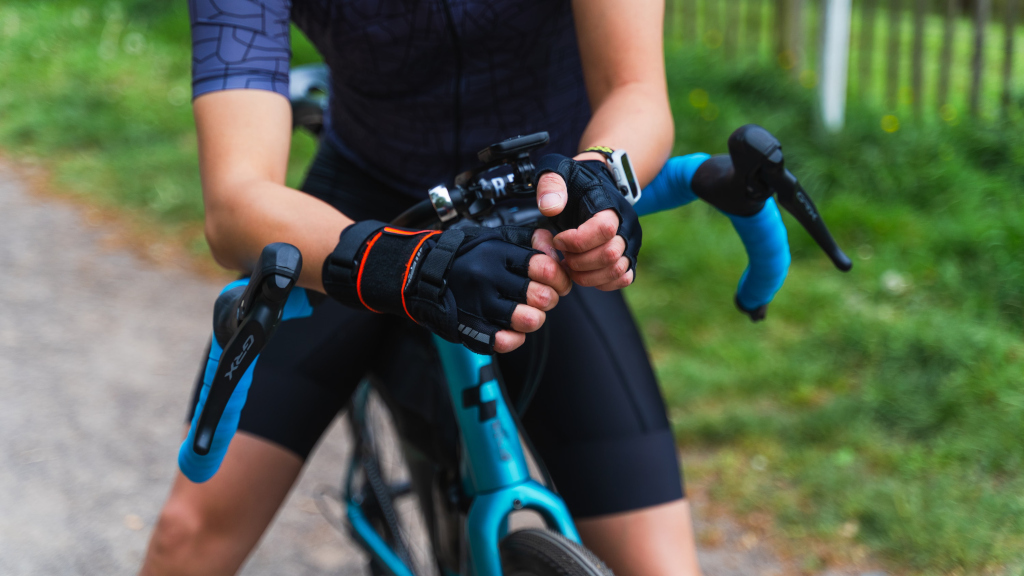 Image from Pexels
Most riders will spend real money on a new groupset or a lighter wheelset before they replace a worn chamois or a cotton t-shirt they've had for years. On a one-hour spin, that trade-off is manageable. Past two hours, the clothing is usually what decides whether the ride ends well or poorly instead of the components.
No mechanical tune-up fixes a chafed chamois or a soaking-wet base layer on a long descent. These are kit problems, and kit problems have kit solutions. Here are seven of the most common ones, each with a direct fix.
1. Choosing a Jersey Cut Like a Casual Top
A standard athletic top is cut to look presentable while standing upright. Get into the drops or lean onto the hoods for three hours and the hem inevitably rides up. The fabric billows into wind drag while the loose material becomes a constant distraction.
The difference between that and a proper cycling jersey is purely structural. A dedicated cycling top is cut close through the torso and runs longer at the back to cover your lower back when bent over the bars. It fits snugly at the cuffs so nothing catches air.
The three rear pockets matter just as much as the overall cut. They are positioned to be accessible mid-ride without sitting up or reaching awkwardly across the body. These pockets are meant to be load-bearing rather than decorative. Riders in a group who want consistent functionality across the team typically order matching apparel to a shared spec rather than buying individually.
Custom jersey makers handle this kind of order regularly. Clubs often source options like Sports Gear Swag's custom performance cycling jerseys to ensure everyone gets the right fit and pocket layout. Whatever the source, the structural cut separates gear that works on the bike from gear that just looks fine in the parking lot.
2. Riding in a Cotton T-Shirt
Cotton absorbs sweat efficiently and holds onto it stubbornly. On flat terrain, this acts as a minor inconvenience. The moment the road drops and wind chill engages, a wet cotton shirt can plunge your core temperature faster than riding with no base layer at all. This effect compounds heavily in the second half of a long ride when fatigue naturally reduces the body's ability to generate heat.
The fix is any synthetic or merino cycling-specific jersey or base layer. These materials move moisture away from the skin and dry quickly rather than staying saturated against your chest. Even an inexpensive moisture-wicking option represents a significant functional improvement over cotton once descents enter the picture.
| Important: Cotton holds sweat, and once you descend, wind chill can drop core temperature faster than riding with no base layer. This effect worsens late in a ride when fatigue already limits heat production. |
3. Wearing Underwear Under Bib Shorts
Extra layers introduce the most preventable cause of cycling chafing. Bib shorts are engineered to be worn directly against the skin. The chamois is precisely shaped and positioned to function without an additional layer sitting between it and the body. Adding underwear introduces seams, extra fabric, and independent movement that the built-in pad was specifically designed to eliminate.
The complete instruction is simply wearing bib shorts with no underwear underneath. Chamois cream for rides over two hours remains optional but proves widely helpful for high-mileage days. If chafing persists after dropping the extra layer, the next variables to investigate are chamois quality, shorts fit, or saddle position.
| Pro Tip: Bib shorts are designed to sit directly against skin; the chamois works only without an extra layer. If chafing continues after dropping underwear, inspect chamois quality, shorts fit, or saddle position, not the absence of underwear. |
4. Ignoring the Rear Pockets
A common bad habit involves putting the phone in the shorts waistband while stuffing a spare tube in a random jersey pocket. Shorts pockets are not designed for repeated mid-ride access. Items shift, create heavy pressure points, and work into uncomfortable positions over fifty or sixty miles. Those localized lumps quickly become impossible to ignore.
Use the jersey's three rear pockets with a clear organizational plan. The outer two pockets work best for food and anything you need to retrieve without looking down. The center pocket sits flat against the spine and provides the safest place for a phone, tube, or small tool kit. Pockets on the shorts function better as a last resort rather than a primary carry system.
5. Dressing for the Start Temperature
A morning start at fifty-five degrees feels cold enough to justify heavy layers. By mile forty the route might climb into the hills where the temperature drops another eight degrees, leaving you freezing with empty pockets. The inverse problem happens just as frequently. Riders overdress for a cold start and find no practical way to shed a heavy jacket mid-ride.
Both scenarios represent planning failures rather than sudden weather emergencies. The fix is identifying the coldest likely point of the route before leaving the house. Dress one layer below that specific threshold and carry a packable shell in the center rear pocket.
Wind vests fold small enough to ride along without adding noticeable bulk. Taking ninety seconds to check the forecast completely changes the outcome of those final miles.
| Key Insight: The real problem isn't the starting temperature; it's the coldest likely point of the route. Pack a lightweight wind vest in the center rear pocket and dress one layer below that forecast point. |
6. Skipping Gloves
Temperature provides part of the argument for wearing gloves, but the necessity goes deeper than warmth. Rough chip-seal, cattle grids, and repeated braking on descents transfer heavy vibration directly into the palms over several hours. Unpadded hands lose grip strength well before the ride concludes. This happens regardless of mild outdoor conditions.
In cold or damp weather, bare hands lose fine motor control at an alarming rate. This affects braking and shifting precision precisely when deep fatigue is already working against your coordination. Cycling-specific gloves with padded palms isolate your hands from road buzz.
Fingerless options easily handle the summer months. Full-finger gloves take up minimal space and remain worth carrying in a rear pocket even on warm days once the season tips into autumn.
7. Leaving No Visible Layer for the Last Hour of Light
Long rides that start mid-morning frequently finish in rapidly reducing light. The late afternoon sun sits low while shadows lengthen across the road surface. This shortens driver sightlines considerably compared to midday. An all-black jersey that reads clearly in bright sun becomes difficult for approaching traffic to spot during that final hour before dusk.
The easiest safety fix takes up almost no physical space. Pack a lightweight high-visibility layer like a bright yellow or neon orange wind vest. You can pull it on right as the ambient light starts to change.
Reflective elements on the rear of a jersey add another distinct degree of visibility for any ride that threatens to run long. Neither item carries enough bulk to justify leaving it on the workbench.
| Important: High-visibility layers aren't optional extras for rides that run long. A dark jersey invisible in late sun becomes a real hazard; pack a yellow or orange vest before you need it. |
The Final Verdict
None of these fixes require significant spending compared to a modest component upgrade. Gloves, a packable wind vest, and the simple habit of leaving underwear in the dresser cost virtually nothing against what most riders invest in their bikes.
The final thirty miles expose exactly where these gear mistakes compound. Cold from wet cotton fabric, severe chafing from an extra seam, and numb hands all arrive together just as physical fatigue peaks.
A moisture-wicking jersey built to the correct cut changes how that last stretch rides. A close fit, a longer tail, and rear pockets loaded with clear intention keep essentials accessible and secure. Addressing the clothing setup does not magically boost your aerobic fitness. It simply removes the accumulated friction and temperature drops that turn a hard effort into a miserable slog.
| Author Profile: Sports Gear Swag is the leading online retailer of custom sports apparel and gear for teams, schools, and organizations of all sizes. Specializing in team jerseys, uniforms, and athletic apparel with a wide range of customization options. |
839GYLCCC1992


Leave a Reply