

Best Practices for Teaching Kids to Brush and Floss
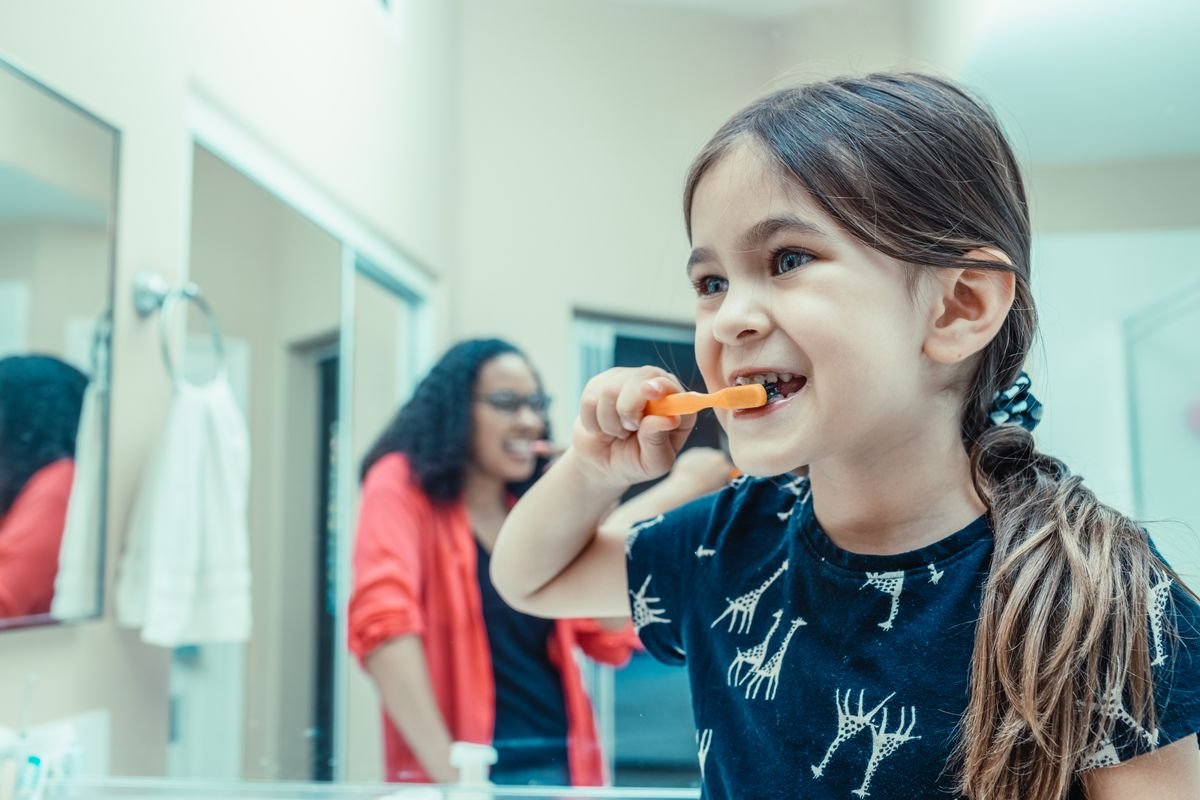
Teaching children how to properly brush and floss their teeth is one of the most valuable habits a parent can instill. Good oral hygiene habits formed in childhood often last a lifetime, protecting kids from cavities, gum disease, and costly dental treatments down the road. Yet many parents struggle with making brushing and flossing a consistent, enjoyable part of their child's daily routine. Whether you're dealing with a reluctant toddler or a distracted pre-teen, these best practices can help you raise a child who genuinely values their smile.
Why Starting Early Matters
Dental health begins before your child's first tooth even appears. Pediatric dentists recommend wiping a newborn's gums with a soft, damp cloth after feedings. This simple habit cleans away bacteria and sets the stage for a lifetime of healthy routines. Once the first tooth erupts — typically around six months of age — it's time to introduce a soft-bristled infant toothbrush and a tiny smear of fluoride toothpaste.
Early intervention matters because baby teeth serve as placeholders for permanent teeth. Decay in primary teeth can affect the growth of adult teeth and even impact a child's ability to speak and chew properly. Scheduling a visit with a pediatric dentist near Gastonia, NC by your child's first birthday is a key step many parents overlook but shouldn't.
How to Make Brushing Fun and Effective
The biggest challenge parents face isn't knowing how to brush — it's getting their child to cooperate. Fortunately, there are several creative strategies that turn a chore into something kids actually look forward to.
Use the Right Tools
Children are more likely to brush when they feel ownership over the process. Let your child pick out their own toothbrush featuring a favorite character or color. Use an age-appropriate fluoride toothpaste in a flavor they enjoy — there are many kid-friendly options beyond traditional mint. For younger children, use a rice-sized amount of toothpaste; for kids aged three to six, a pea-sized amount is appropriate.
Make It a Two-Minute Adventure
The American Dental Association recommends brushing for a full two minutes, twice a day — but two minutes can feel like an eternity to a wiggly five-year-old. Try these tricks to make the time fly:
- Play a favorite song and brush until it ends
- Use a visual sand timer or a brushing app with a built-in timer
- Create a fun story or game around brushing (e.g., “We're fighting sugar bugs!”)
- Let them brush your teeth while you brush theirs
Demonstrate Proper Technique
Children learn by watching. Show your child how to hold the brush at a 45-degree angle to the gums and use gentle, circular motions. Cover all surfaces — the outer, inner, and chewing surfaces of each tooth — as well as the tongue. Supervise brushing until your child is around age seven or eight, when most kids have developed the dexterity to do it effectively on their own.
Teaching Kids to Floss: The Often-Forgotten Step
Flossing is just as important as brushing, yet it's frequently skipped. Brushing alone only cleans about 60% of tooth surfaces. The spaces between teeth are prime real estate for plaque buildup and cavities — areas a toothbrush simply cannot reach.
When to Start Flossing
Begin flossing as soon as your child has two teeth that touch. For most children, this happens around age two to three. Parents should handle flossing for their children until they're around eight to ten years old, as it requires significant fine motor skill.
Choosing the Right Flossing Tools
Traditional string floss can be difficult for small hands to manage. Consider these alternatives to get kids started:
- Floss picks: Pre-threaded plastic picks are much easier for children (and parents) to use
- Water flossers: A great option for older kids, especially those with braces
- Floss threaders: Helpful for children with dental appliances
When your child is ready for traditional floss, guide the floss gently between each tooth using a C-shape motion, gliding beneath the gumline without snapping it against the gums.
Building a Consistent Oral Hygiene Routine
Consistency is everything when it comes to teaching oral health habits. Children thrive on predictability, so establishing a clear morning and bedtime routine helps make brushing and flossing automatic over time.
Create a Routine Chart
A simple visual checklist posted in the bathroom can be a game-changer for young children. Include steps like “rinse brush,” “put on toothpaste,” “brush for two minutes,” and “floss.” Reward systems, such as sticker charts, can provide extra motivation without relying on candy or sugary treats.
Lead by Example
Children pay close attention to what adults do. When they see you prioritizing your own dental hygiene, they're more likely to view it as a normal, non-negotiable part of life. Brush and floss alongside your child whenever possible — it reinforces the habit and turns it into a bonding moment.
The Role of a Pediatric Dentist in Your Child's Oral Health
No matter how diligent you are at home, regular professional check-ups are essential. A pediatric dentist is specially trained to work with children, creating a positive, comfortable environment that helps kids develop a healthy relationship with dental care from an early age.
If you're looking for expert guidance and compassionate pediatric dental care in Gastonia, Main Street Pediatric Dentistry offers comprehensive services tailored specifically to the needs of growing smiles. From routine cleanings and fluoride treatments to sealants and early orthodontic evaluations, their team makes every visit a positive experience for children and parents alike.
Finding a trusted pediatric dentist near Gastonia, NC ensures your child benefits from professional cleanings that remove tartar at-home brushing can't eliminate, as well as X-rays that catch cavities before they become serious problems. Most pediatric dentists recommend visits every six months, starting at age one.
Common Mistakes to Avoid
Even well-intentioned parents sometimes fall into habits that can undermine their child's oral health. Watch out for these common pitfalls:
- Skipping nighttime brushing: This is the most critical brushing session. Saliva flow decreases during sleep, giving bacteria more opportunity to thrive.
- Using too much toothpaste: Excess fluoride toothpaste ingested by young children can lead to fluorosis, which causes white spots on developing teeth.
- Letting kids brush unsupervised too soon: Children often miss large sections of their mouth when left on their own. Stay involved until their technique is consistent.
- Rewarding good brushing with sugary treats: This sends a confusing message. Choose non-food rewards like stickers, extra screen time, or a fun activity instead.
- Avoiding the dentist until a problem arises: Preventive care is far less stressful and costly than restorative treatment. Regular visits to a pediatric dentist near Gastonia, NC keep small issues from becoming big ones.
A Healthy Smile Starts at Home
Teaching kids to brush and floss properly is one of the greatest gifts you can give them. The habits formed in childhood shape the oral health they carry into adulthood. With the right tools, a little creativity, and the support of a dedicated pediatric dental team, you can make oral hygiene a positive, empowering part of your child's everyday life. Start early, stay consistent, and don't hesitate to lean on professionals for guidance along the way — your child's smile is worth it.
839GYLCCC1992

Leave a Reply