

7 Essential Sourcing Rules to Know Before You Buy Raw Botanicals

Stepping into the world of traditional plant ingredients for the very first time can feel incredibly overwhelming. With hundreds of distinct roots, loose leaves, and functional mushroom powders available online, figuring out where to start requires more than just reading a flashy label.
The market is saturated with brightly colored retail packaging making massive, unrealistic promises about overnight wellness transformations. All that loud marketing means folks new to the space usually get ripped off. They buy highly processed, low-grade garbage that does absolutely nothing for their daily routine.
Dodging those bad retail choices takes an education-first approach. Whether you want a clean morning baseline or a reliable way to decompress after a rough shift, you have to understand the raw material itself. Here are seven baseline rules you need to know before spending any money.
Unprocessed Formats Offer Total Control
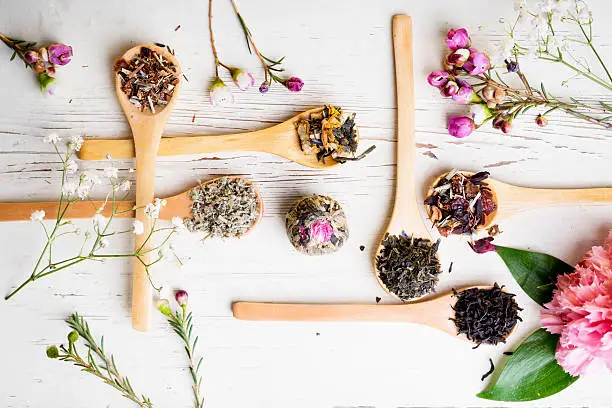
Buying raw, loose botanicals instead of pre-packaged commercial liquids or capsules means you know exactly what you are swallowing. Mass-market brands love to bury their ingredients behind vague proprietary blends packed with cheap industrial binders, extra sugars, and nasty flow agents. Sourcing raw powders or whole dried roots lets you see, smell, and verify the quality of the plant material yourself. That visual transparency lets you eyeball your portions accurately and brew clean infusions without any weird mystery additives.
Understanding the Primary Leaf Color Profiles
For many tree-based botanicals, the physical color of the leaf vein at the exact moment of harvest determines the overall character of the batch. White and green vein structures are traditionally favored by individuals who need a steady, non-jittery presence to tackle complex projects early in the day. Red vein options, conversely, are harvested from older, fully mature leaves and are utilized exclusively in the late evening to help soothe physical restlessness and ease a racing mind before sleep.
Navigating these distinct color variations requires a reliable vendor who understands local city-level retail compliance and seasonal distribution rules inside out. Newcomers who want to explore authentic strain properties skip the low-grade convenience store displays and choose to order quality mitragyna from transparent, dedicated wholesale suppliers who specialize in raw, unadulterated batch imports.
Batch Transparency is Non-Negotiable
The ground powder from one harvest can behave entirely differently than a harvest pulled from the exact same region a month later. Because agricultural factors like rainfall, soil quality, and drying conditions change constantly, reputable suppliers never rely on guesswork. A trustworthy botanical source will always provide a specific batch or lot number attached to their inventory. This number allows consumers to verify independent laboratory testing data for purity, heavy metals, and active compound ratios before a single bag leaves the warehouse.
Regional Heritage Dictates Performance
Plants are a direct product of their native ecosystems. For example, a mature root grown in the high-altitude, mineral-rich soils of the Peruvian Andes possesses a completely different structural profile than a plant cultivated in a low-lying commercial greenhouse. When studying different botanical options, always pay close attention to the specific geographical origin. True traditional herbs rely on these ancient, specialized climates to develop their characteristic properties naturally over years of slow growth.
Storage Practices
Protect Your Investment Raw plant powders and loose dried leaves are highly sensitive to environmental exposure. Leaving an open bag sitting on a sunny kitchen counter or inside a humid cabinet will cause the natural aromatic oils and active compounds to degrade rapidly within weeks. To protect your pantry investment, store your collection inside completely airtight, opaque glass containers away from direct heat, moisture, and sunlight. Keeping your inventory dry and sealed ensures the botanical properties remain completely stable over long periods.
Traditional Adaptogens Require Consistency
Do not expect a massive, artificial jolt from traditional roots. Unlike gas-station energy drinks that force your system into a fake, immediate fight-or-flight state, raw herbs work slowly. Plants like Panax ginseng or woody roots take weeks of steady use to build up a reliable baseline in your body. If you enter this space expecting an overnight miracle shortcut, you are wasting your money. It takes patience and a disciplined daily routine to see real value.
Unit Pricing Favors Volume Purchases
The retail botanical industry relies heavily on extreme price inflation for small-volume packaging. Buying tiny, single-ounce tins or small plastic bottles means you are primarily paying for shipping costs, graphic design, and retail markup. Transitioning toward larger wholesale quantities—such as half-kilo or full-pound allotments—slashes your unit cost per ounce significantly. Building a bulk-oriented botanical cabinet is simply a smarter, more cost-effective strategy for maintaining an uninterrupted personal wellness routine.
Summary
Beating the learning curve in the raw botanical market means ignoring flashy labels and focusing entirely on independent lab results. A sustainable household setup comes down to the absolute basics: tracking where the plant was grown, keeping your jars sealed tight against moisture, and buying your supplies by the pound. Stepping away from overpriced retail gimmicks keeps your budget completely intact while giving your body the clean, unadulterated fuel it actually needs over time.
839GYLCCC1992



Leave a Reply