

How to Tell If Your Miniature Dog Is Getting the Nutrients They Need
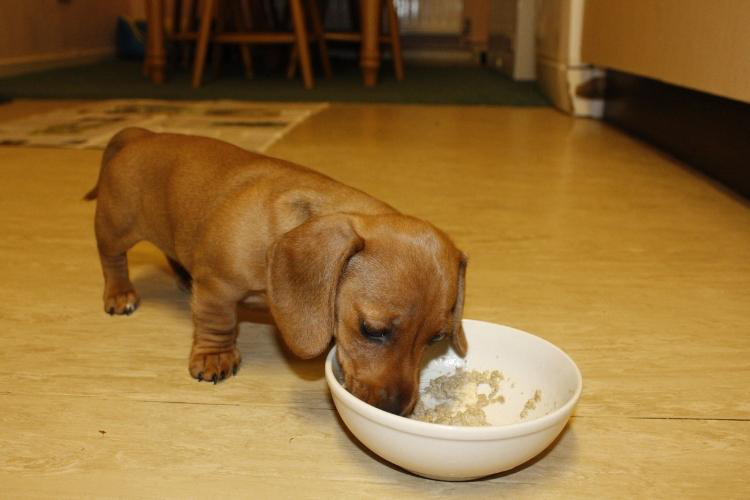 (Image by NORRIE3699 from Getty Images Via Canva)
Small dogs may be compact in size, but their nutritional needs are anything but simple. Many pet owners assume that feeding a miniature breed is straightforward — just serve less food and move on. In reality, small and toy breeds have unique metabolic demands that differ significantly from their larger counterparts. Understanding whether your little companion is truly getting the nutrition they need can make a meaningful difference in their health, energy, and lifespan.
Why Small Breeds Have Unique Nutritional Demands
Faster Metabolism, Greater Energy Needs
Miniature dogs have faster metabolisms than large breeds, which means their bodies burn through energy at a higher rate relative to their body weight. This creates a greater need for calorie-dense, nutrient-rich food served in proportionate amounts. A diet that works well for a Golden Retriever may leave a Chihuahua or Shih Tzu nutritionally short-changed.
The Role of Protein and Ingredient Quality
Protein is especially important for small breeds. It supports:
- Lean muscle maintenance
- Immune function
- Coat and skin health
Carbohydrates and fats also play a role, but the quality of those macronutrients matters just as much as the quantity. Low-quality fillers, artificial additives, and heavily processed ingredients can interfere with proper nutrient absorption, even when the food appears balanced on paper.
Physical Signs That Indicate Nutritional Imbalance
Coat, Eyes, and Energy Levels
One of the most reliable ways to assess your dog's nutritional status is by regularly observing their physical condition. A well-nourished miniature dog typically displays:
- A shiny, full coat with minimal shedding
- Clear, bright eyes without discharge
- Consistent energy and interest in play
- A stable, healthy body weight
When these markers start to shift, it often signals a nutritional gap. Dull, brittle fur or excessive shedding can point to deficiencies in omega fatty acids or protein. Lethargy and reduced interest in play, especially in young dogs, may indicate insufficient caloric intake or poor-quality nutrients.
Digestive and Skin-Related Red Flags
Digestive irregularities are worth paying close attention to. Watch for:
- Loose or inconsistent stools
- Frequent gas or bloating
- Vomiting after meals
These can suggest that the food is not being properly processed or that it contains ingredients the dog's system is struggling to handle. Skin issues are another common red flag. Dry, flaky skin or persistent itching in small breeds is often linked to food quality, particularly when allergens such as low-grade grains or artificial preservatives are present. If these symptoms appear, the diet is worth examining closely.
Choosing the Right Food for a Miniature Breed
What to Look for on the Ingredient Panel
Not all dog food is created equal, and the distinction matters most for small breeds. Many commercial dry kibble options rely on fillers and by-products that technically meet minimum nutritional standards but fall short in terms of bioavailability. Fresh, minimally processed food retains more of its natural nutritional value and is often easier for sensitive digestive systems to absorb.
When evaluating food options, prioritize:
- Named protein sources are listed at the top of the ingredient panel
- High-quality options such as venison, lamb, fish, or certified organic chicken
- Grain-free or limited-ingredient formulas for dogs with known sensitivities
- The absence of artificial preservatives, colors, or fillers
Fresh and Human-Grade Options
Many pet owners searching for dog food made for small or miniature dog breeds prefer fresh, human-grade recipes featuring high-quality animal proteins and wholesome ingredients. Gently cooked meals featuring proteins such as venison, fish, lamb, or organic chicken can provide balanced nutrition while supporting healthy digestion. Grain-free and chicken-free options may also be helpful for dogs with specific dietary sensitivities.
How Feeding Portions Affect Nutrient Intake
Calculating the Right Amount
Even the highest-quality food can fail your dog if portions are off. Small breeds are especially susceptible to both overfeeding and underfeeding. Because their bodies are small, even minor miscalculations in portion size can have a noticeable impact on weight and energy over time.
A practical way to approach portioning is to base it on body weight. California Dog Kitchen uses a straightforward guideline: one 4-ounce cube of food per 10 pounds of body weight per day. Additional adjustments include:
- Feeding 2 to 3 times more for puppies and pregnant or nursing dogs
- Using a feeding calculator to remove guesswork and tailor portions to your dog's life stage
- Reassessing amounts if body weight shifts noticeably in the first two weeks
Monitoring Weight After Diet Changes
Monitor your dog's weight regularly after any diet change. If they are losing or gaining unexpectedly, adjust portions accordingly. This kind of responsive feeding helps maintain a healthy body condition score, which is one of the clearest indicators that a dog is receiving appropriate nutrition.
When to Involve Your Veterinarian
Tests That Reveal Hidden Deficiencies
Routine observation at home is valuable, but some nutritional concerns require professional assessment. A veterinarian can perform blood panels that reveal deficiencies or imbalances not visible to the naked eye. These tests can flag issues with:
- Iron and red blood cell health
- Calcium and bone density
- Vitamin D levels
- Thyroid function, which affects metabolism and weight
What to Bring to the Appointment
Schedule a wellness check if your miniature dog experiences any of the following:
- Unexplained weight loss or gain
- Persistent digestive issues
- Noticeable coat deterioration
- Behavioral changes such as increased lethargy or irritability
Bring detailed notes on what your dog is currently eating, including brand, ingredient list, and serving size. This information helps your vet identify whether the diet is a likely contributor to the symptoms and make specific recommendations for improvement.
Practical Steps to Support Long-Term Nutritional Health
Adjusting for Life Stage
Feeding your miniature dog well is not a one-time decision. Nutritional needs shift with:
- Age: Puppies need more food per pound of body weight; seniors often benefit from easier-to-digest proteins
- Activity level: More active dogs may need slightly higher caloric intake
- Health status: Dogs recovering from illness or surgery may have temporary dietary requirements that differ from their usual routine
Keeping a Simple Health Log
Keep a simple log of your dog's weight, coat condition, energy levels, and stool quality. This record makes it much easier to spot trends over time and have informed conversations with your vet. Pair that observation with a food that prioritizes ingredient quality, and you have a solid foundation for your dog's long-term health.
Conclusion
Small dogs deserve food that matches the care and attention their owners put into their lives. Paying close attention to the signs your dog gives you and being willing to adjust when something is not working are among the most effective ways to ensure their nutrition is genuinely supporting them.
839GYLCCC1992

Leave a Reply