

Why the Quality of Nursing Education Directly Affects Patient Care
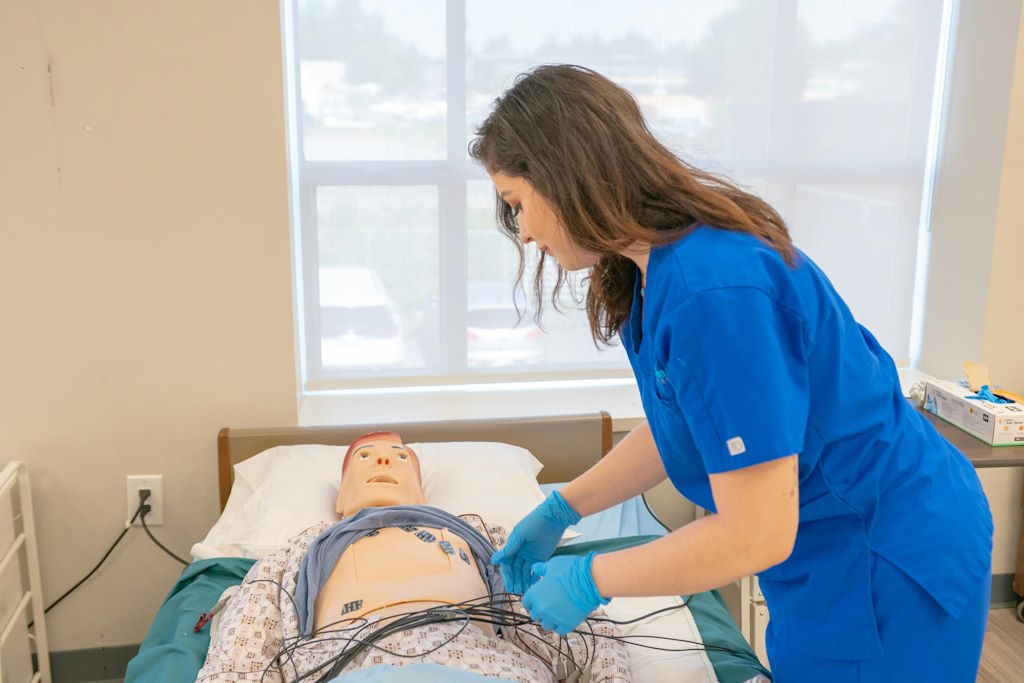
In a hospital room, everything hinges on the nurse who enters; their judgment, timing, and awareness matter far more than credentials in that moment.
That confidence doesn't come from personality alone. It's shaped long before the first shift, through training that builds habits, judgment, and calm under pressure. When nursing education is strong, patients feel it. When it isn't, the gaps show up in subtle, sometimes dangerous ways.
Where Patient Care Really Begins
Patient care takes shape long before anyone enters a hospital room. It begins in classrooms, labs, and clinical settings where students learn how to think when plans break down. Textbooks help, but they don't teach judgment. Nurses are often the first to notice small changes, and that depends on training that values observation, communication, and responsibility. When programs rush these foundations, graduates may know procedures but hesitate under pressure. That hesitation affects care. Patients sense it, even if they can't explain why.
Standards That Shape Nursing Education Quality
Behind the scenes, nursing programs are evaluated against shared standards meant to protect both students and patients. These standards look at curriculum depth, faculty qualifications, clinical hours, and how well programs prepare students for real practice. They aren't about prestige. They're about consistency.
When education is held to clear expectations, gaps are easier to spot and address. Programs are pushed to update content, improve clinical experiences, and support students more effectively. This kind of oversight matters because healthcare doesn't leave much room for error. Weak preparation doesn't stay contained within a classroom. It shows up later in hospitals, clinics, and long-term care settings.
For nurses looking truly make an impact with their skills and education, pursuing CCNE-accredited programs is a good place to begin. The Commission on Collegiate Nursing Education (CCNE) is an accrediting agency that evaluates whether nursing education meets widely accepted benchmarks. For students and employers alike, these standards help signal that a program has been reviewed with patient outcomes in mind, not just academic completion.
The Link Between Clinical Training and Real-World Decisions
Clinical experience is where theory either holds up or falls apart. Students learn quickly that patients don't present textbook symptoms and that time pressures are real. Programs that provide varied, supervised clinical placements expose students to complexity early, which builds confidence later.
When clinical training is limited or poorly structured, new nurses may enter the workforce feeling unprepared. This doesn't mean they lack intelligence or care. It means they haven't had enough guided practice making decisions in uncertain situations. That hesitation can slow care or lead to mistakes. Strong education reduces that risk by normalizing complexity instead of avoiding it.
Communication Skills Affect Outcomes
Nursing is as much about communication as it is about care tasks. Nurses translate medical language for patients, relay concerns to physicians, and coordinate across teams. These skills aren't intuitive. They're taught, practiced, and corrected over time.
Programs that emphasize communication prepare nurses to speak up when something feels wrong, even in hierarchical environments. That willingness can prevent errors and improve outcomes. Poor communication training, on the other hand, often leads to silence, confusion, and delayed responses. Patients may never know why care felt disjointed, but the effects linger.
Consistency Builds Trust in Healthcare Settings
Patients interact with many nurses over the course of care. Consistency in skill and approach builds trust. When education standards vary widely, that consistency disappears. One nurse may handle a situation smoothly while another struggles with the same task.
Healthcare systems rely on predictable competence. Strong educational foundations help create that predictability. It's not about producing identical nurses, but about ensuring a baseline of readiness that patients can rely on regardless of where they receive care.
Burnout and Preparedness Are Connected
When nurses enter the workforce without enough preparation, burnout tends to follow quickly. The gap between what was taught and what the job demands creates constant strain. Instead of focusing on patient care, energy is spent catching up, second-guessing decisions, and managing stress that never really settles. Over time, this leads to higher turnover. When nurses leave, the remaining staff absorb more work, which weakens continuity of care and increases pressure across the unit. Strong education helps prevent this cycle.
Programs that reflect real workloads and ethical complexity prepare graduates for what they will face. Nurses who feel ready are more likely to stay, which gives patients steadier teams and more consistent care.
Why Patients Should Care About Education Quality
Most patients never ask where their nurse was trained. They assume competence, and rightly so. But that trust is supported by systems that prioritize educational quality. When those systems weaken, patient safety becomes harder to guarantee.
Healthcare outcomes depend on countless decisions made every day by nurses at all levels. Education shapes how those decisions are made, especially under pressure. Investing in strong nursing education isn't an academic concern. It's a public health one.
How Education Shapes Confidence at the Bedside
Confidence in nursing isn't about being fearless. It's about knowing what to do when uncertainty shows up. Education plays a quiet role here. Programs that allow students to practice decision-making, ask questions without penalty, and learn from mistakes tend to produce nurses who act calmly under pressure. That confidence affects patients immediately. Care feels steadier. Explanations feel clearer. Even difficult moments feel more controlled. When education skips this groundwork, hesitation creeps in, and patients sense it right away.
A Quiet but Critical Connection
The connection between nursing education and patient care isn't always visible, but it's constant. Every assessment, every medication check, every calm explanation traces back to how a nurse was taught to think and act.
When education is thorough and grounded in clear standards, its impact is felt quietly. Patients may never know why care feels calm or consistent, but they sense it. Quality nursing education doesn't announce itself. It shows up in steady hands, clear communication, and decisions made without hesitation. That reliability builds trust without effort. In healthcare, where uncertainty is common, care that feels competent and predictable provides reassurance when it matters most.

 (1 votes, average: 4.00 out of 5)
 Loading...
839GYLCCC1992

Leave a Reply