

How Technology Is Changing the Way People Grow Plants at Home
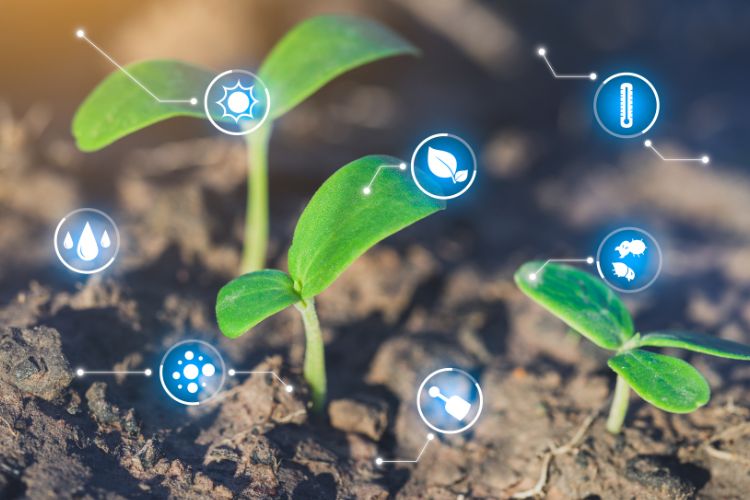 [Photo by Worawut Prasuwan on Canva].
Home gardening used to rely heavily on observation, experience, and a willingness to learn through trial and error. Those qualities still matter, but technology is giving growers more information and control over what happens in their gardens.
Smart sensors can monitor growing conditions, timers can manage routine tasks, and mobile apps make it easier to keep detailed records. Technology cannot make every decision for a gardener, nor can it compensate for unsuitable growing conditions. What it can do is remove some of the guesswork. For beginners and experienced growers alike, that can make managing plants at home more precise and convenient.
Smart Sensors Make Growing Conditions Easier to Understand
One challenge with home gardening is that appearances do not always tell the full story. A plant may look healthy while its growing environment is gradually becoming less suitable.
Digital sensors give gardeners another source of information. Depending on the equipment, they can monitor conditions such as temperature, humidity, soil moisture, and light. A grower can check readings and look for changes over time.
The real benefit comes from using that information thoughtfully. A moisture sensor, for example, should not automatically mean a plant needs watering whenever a particular number appears. Gardeners still need to consider the species, its stage of development, the growing medium, and what they can observe directly.
Automation Can Take Care of Repetitive Tasks
Plants require consistency, which can become difficult when work, travel, or other responsibilities interrupt a normal gardening routine. Automation can help with predictable jobs.
Timers are among the simplest examples. They can control lighting or other electrical equipment according to a predetermined schedule. Automated irrigation systems can also deliver water at set times, although growers still need to check that plants are receiving an appropriate amount.
More advanced setups may connect several devices through a central controller or smart-home system. A gardener could potentially monitor equipment from one interface instead of checking every component individually.
Digital Tools Are Changing How Gardeners Choose and Track Plants
Technology influences home growing before a seed ever reaches the soil. Online retailers and digital resources make it possible to research plant varieties, compare available information, and plan a garden without relying solely on what happens to be stocked locally.
This applies to conventional gardening as well as specialist forms of cultivation. Where home cannabis growing is permitted, for example, people may research genetics and available seed varieties through retailers such as Pacific Seed Bank before deciding what suits their goals and legal circumstances.
Online access creates more choice, but it also makes careful research important. Gardeners should understand what they are buying, consider whether a plant is suitable for their available space and conditions, and check any laws that apply to cultivation. Someone researching cannabis seeds through pacificseedbank.com should therefore treat choosing a variety as only one part of the planning process.
Digital record-keeping can then continue throughout the plant's development. Gardeners can use spreadsheets, specialist apps, photographs, or simple notes stored on a phone to record useful information.
Keep Records Consistent
Choose a few details worth recording for every plant, such as planting date, variety, watering, visible changes, and important maintenance. A consistent format makes past entries easier to compare.
Photograph Progress
Regular photographs provide a visual record that written notes cannot fully capture. Taking pictures from similar positions can make changes in size, shape, and appearance easier to spot.
Indoor Growing Is Becoming More Controllable
Growing plants outdoors means working with changing weather and seasons. Indoor cultivation shifts some of those variables into the grower's hands.
Artificial lighting can provide plants with light when natural sunlight is insufficient. Fans can help circulate air, while heating, cooling, or humidity-control equipment may help maintain a more suitable environment where necessary. Sensors can provide feedback on whether those systems are doing their jobs.
This control is useful, but it introduces new responsibilities. Electrical equipment needs to be installed and used safely. Devices also consume energy and require maintenance. Gardeners should consider operating costs and safety rather than adding technology simply because it is available.
Apps Can Turn Gardening Into a More Measurable Hobby
One of the quieter changes in home gardening is the ability to build a detailed history of what worked and what did not.
A gardener might record when seeds were started, how frequently plants were watered, when problems appeared, and which changes seemed to help. Over several growing cycles, those records can become a useful personal reference.
This is particularly helpful because every home growing environment is different. Advice found online may provide a starting point, but it cannot account perfectly for a particular windowsill, room, garden, climate, or routine.
Records allow gardeners to learn from their own conditions. If one location consistently produces healthier plants than another, previous notes may help explain why. The same principle applies when comparing planting times or different approaches to routine care.
Technology therefore supports one of gardening's oldest skills: observation. The difference is that growers no longer have to depend entirely on memory.
Technology Still Needs a Human Gardener
Automation can create the impression that a garden can be placed on autopilot. In reality, plants are living organisms, and their requirements can change.
Sensors may fail. Irrigation lines can become blocked. A timer can continue following its programmed schedule even when circumstances have changed. Regular visual checks remain important.
Successful technology-assisted gardening requires a balance between data and direct observation. Check leaves, stems, soil, and the surrounding environment instead of looking only at an app. Learn what a healthy plant normally looks like so unusual changes are easier to recognize. The strongest setups use technology to support good gardening habits, not replace them.
Final Thoughts
Technology is giving home gardeners new ways to monitor conditions, automate repetitive work, organize information, and learn from previous growing cycles. These tools can make plant care more manageable, particularly when they address a clear problem rather than adding unnecessary complexity.
Start with the basics. Identify the parts of gardening that are difficult to monitor or manage consistently, then consider whether a sensor, timer, app, or automated system could help. Keep records, check equipment, and continue observing plants directly.
As home-growing technology develops, gardens may become increasingly connected and measurable. Yet the fundamental relationship remains unchanged: technology supplies information and control, while the gardener decides how to use them.
839GYLCCC1992

Leave a Reply