

A Guide to Protein Powder: Benefits, Types and Uses
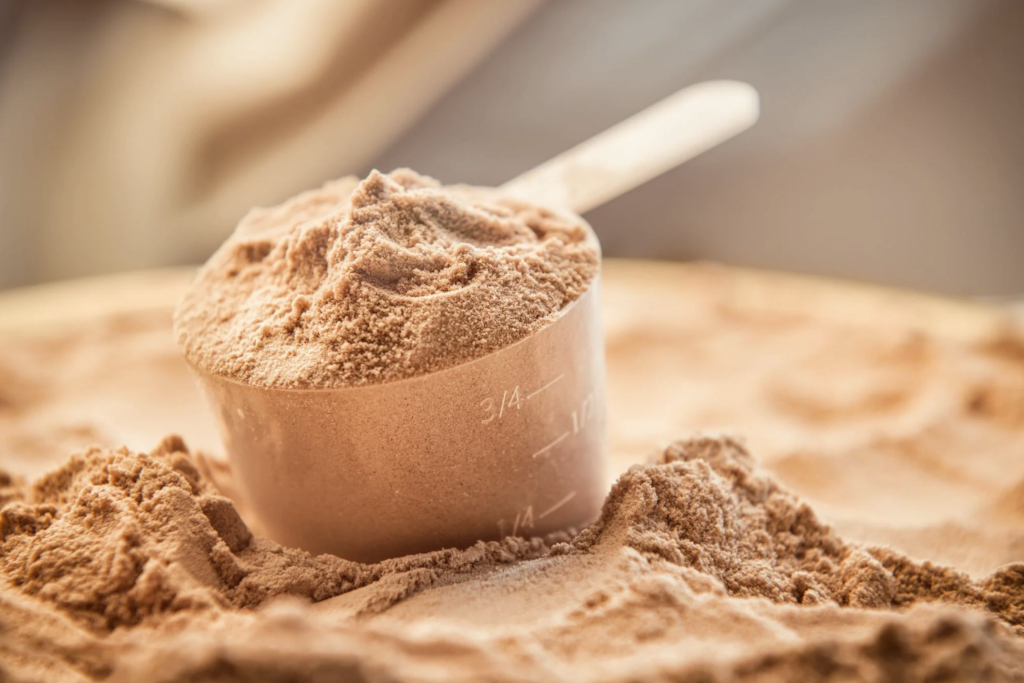
Protein powder has become a popular addition to many fitness routines, but its benefits go beyond building muscle. Depending on your diet and goals, it's a convenient way to increase your daily macro intake, support tissue repair, and help maintain muscle while losing weight. With so many options available, from whey and casein to plant-based blends, finding the right one can feel a little overwhelming.
Sticking to your fitness goals can be easier with the help of convenient high protein powder Australia wide. A single serving can deliver a substantial amount of amino acids, helping you meet your daily intake goals more conveniently. Simply mix it with water or milk for an easy shake without spending time preparing a full meal. With delicious flavours like vanilla, chocolate, and caramel, it's easy to find an option you'll enjoy. I'll explore the potential benefits of these supplements, look at the different types you can choose from, and explain how to incorporate them into your daily routine.
What are the Benefits?

Protein helps your body function properly. It helps build and maintain muscles, supports healthy skin and bones, and is needed to produce hormones and enzymes. Although you can get plenty of this nutrient from everyday foods, supplements offer a convenient alternative when your usual diet doesn't quite meet your needs.
Supporting Weight Management
Managing your weight involves more than simply counting calories. Feeling satisfied after meals can make it easier to stick to your eating habits without constantly reaching for snacks. High protein powder Australia wide can help you feel fuller for longer, potentially making it easier to manage your appetite and overall food intake. Adding a shake to your day may be useful if you're trying to lose weight while maintaining a balanced diet. However, it isn't a shortcut to weight loss. Your overall calorie intake, activity levels, food choices, and consistency all play a role in determining your results.
Research into the effects of protein supplements on weight management has produced mixed findings. One 2022 study involving older women following a calorie-restricted diet found that participants who supplemented with whey experienced reductions in body fat. Those taking hydrolysed whey, a form processed to make it easier to break down, also saw improvements in weight and body mass index. However, a 2023 review found that the overall evidence for weight-loss benefits remains uncertain. More research is needed to establish how effective supplementation is for different people.
Encouraging Muscle Growth
If building strength or developing muscle is one of your fitness goals, getting enough protein is essential. During resistance training, such as weightlifting, muscle fibres experience small amounts of damage. Your body uses dietary amino acids to repair this tissue and support the growth of new muscle. This is one reason supplements are popular among gym-goers. They offer a simple way to increase protein intake, particularly after a demanding workout or on days when preparing a rich meal isn't practical.
Research supports the use of supplements alongside resistance training. A 2018 analysis of 49 studies found that supplementation helped improve muscle size and strength in healthy adults who exercised regularly. These benefits weren't limited to men or women, suggesting that both can benefit from adequate protein intake.
Helping With Exercise Recovery
Feeling sore after a challenging workout is common, especially when you try a new exercise or increase the intensity of your training. Your body needs time and nutrients to repair the muscles involved, and protein is an important part of that process.
Getting enough of this macronutrient throughout the day helps support muscle repair and the body's natural recovery processes. Some studies have also found that supplementation can reduce certain measures of exercise-induced muscle damage and support muscle protein synthesis.
A shake can be particularly convenient after training when you're not ready to eat a full meal or need something easy to prepare before heading home. However, timing isn't everything. Your total daily protein intake, sleep, hydration, and appropriate rest between workouts also influence recovery.
Making It Easier to Meet Your Daily Needs
Even with a varied diet, getting enough protein can sometimes be challenging. Busy schedules, dietary preferences, appetite changes, or limited access to suitable meals can make it harder to consistently meet your nutritional needs. For most healthy adults, the recommended dietary allowance is around 0.8 grams of this nutrient per kilogram of body weight per day. This is a general guideline for meeting basic nutritional needs, rather than a target designed specifically for muscle growth or demanding athletic training.
People who exercise intensely may need more. Research suggests that athletes undertaking substantial training can benefit from approximately 1.4 to 2.0 grams per kilogram of body weight daily, depending on their activity and individual circumstances. Older adults may also benefit from paying particular attention to their intake of amino acids to help maintain muscle as they age.
Supplements can help fill the gap when food alone doesn't provide enough. They're especially useful for people who struggle to prepare regular meals or follow vegetarian and vegan diets, although plant-based foods such as beans, lentils, tofu, and nuts remain valuable sources.
Ultimately, a supplement is there to complement your diet, not replace a balanced approach to eating. Choose one that fits your nutritional needs, preferences, and budget, and remember that individual requirements vary. If you have kidney disease or another condition that affects the need for amino acids, speak with a healthcare professional before significantly increasing your intake.
Different Types

Not all supplements are made the same. Some come from dairy, while others use plant-based ingredients or eggs. Common options include:
-Whey: A fast-digesting supplement containing all nine essential amino acids.
-Casein: Another dairy source that digests more slowly than whey.
-Soy: A plant-based complete protein that provides all essential amino acids.
-Pea: A popular plant source and an alternative to dairy-based options.
-Hemp: A plant-derived supplement that also provides essential fatty acids.
-Beef: An animal-based option containing amino acids that support muscle function.
-Egg: A dairy-free source made from egg whites.
When choosing a product, consider your dietary needs, preferences, and fitness goals. Check the manufacturer's reputation and whether the product has been independently tested for contaminants. Some supplements have been found to contain heavy metals, so quality assurance matters as much as the protein content.
How Do I Use Protein Supplements?
Start by checking how much of this nutrient you already get from food and use supplements only when needed. Follow the serving instructions and avoid excessive intake, as too much of this macronutrient can crowd out other important nutrients. There's no universally agreed best time to take it, so choose a routine that works for you. Simply mix the powder with water or milk or blend it into a smoothie for an easy boost.
839GYLCCC1992

Leave a Reply