

Top 7 Inventory Management Software for Grocery Stores
Grocery stores deal with some of the toughest inventory conditions in retail. Thousands of products move through each store every week, many with a shelf life measured in days. Demand shifts with the weather, the calendar and every new promotion. A small ordering mistake on bananas, bread or yoghurt can mean empty shelves one day and a bin full of spoiled stock the next.
Spreadsheets and gut feeling can only go so far under those conditions. Modern inventory management software helps grocers track stock accurately, predict demand, automate ordering and cut waste. The right choice depends on the size of the business, from a single neighbourhood grocer to a regional chain with dozens of stores.
Here are seven inventory management software options for grocery stores, what each does best and who it suits.
What makes grocery inventory different
Before looking at specific tools, it's worth understanding why general inventory software often falls short in grocery.
- Perishability. Fresh food, dairy, meat and bakery items spoil quickly, so over-ordering leads directly to waste.
- Volume. Large product ranges and daily sales require automation rather than manual counting and ordering.
- Variable demand. Weather, holidays, promotions and local events all change what customers buy.
- Weighted and loose items. Produce sold by weight is harder to track than packaged goods.
- Tight margins. Grocery margins leave little room for waste or lost sales.
Tools built with these challenges in mind usually deliver better results than generic stock systems.
1. Afresh
Afresh is an AI-powered platform built specifically for fresh food departments in grocery stores. It focuses on produce, meat, seafood, deli and bakery, where waste is highest and ordering is hardest.
The system forecasts demand for fresh items and recommends order quantities, which staff review and adjust through a simple interface. Its focus on the fresh perimeter makes it a specialised tool rather than a complete inventory system.
Key features:
- AI forecasting for fresh departments
- Guided order recommendations for store staff
- Tools for reducing shrink and waste
Best for: Grocery chains, particularly in North America, looking to reduce waste in fresh departments.
Things to consider: It concentrates on fresh categories, so centre-store products may need a separate solution.
2. LEAFIO AI
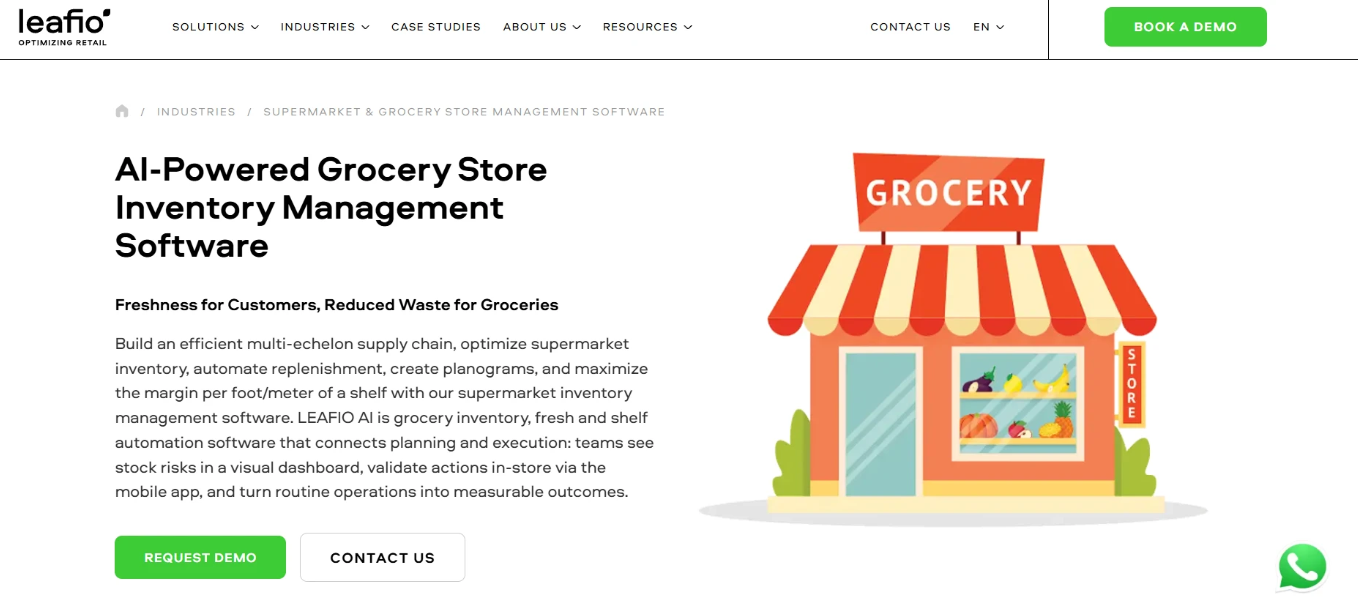
LEAFIO AI is a retail platform that combines AI demand forecasting, automated replenishment, shelf management and store operations tools. Grocery is one of its core sectors, and it plans stock for both individual stores and distribution centres.
For multi-store operators that have outgrown manual ordering, LEAFIO AI stands out as inventory management software for grocery store chains that need to balance availability against waste. It forecasts demand for every product in every store, including the effects of promotions, seasons and weather, and generates orders automatically. Shelf life is taken into account, so perishables aren't over-ordered, and shelf capacity from planograms keeps deliveries in line with the space available.
Key features:
- AI forecasting at store and product level
- Automated ordering for stores and distribution centres
- Perishable and shelf-life-aware replenishment
- Planogram and shelf space management
- Stock rebalancing between stores
Best for: Grocery chains and multi-store operators that want to reduce waste and excess stock while keeping shelves full.
Things to consider: It is designed for chains rather than single small shops, where a POS-based stock system may be enough.
3. ECRS Catapult
ECRS offers Catapult, an integrated retail system widely used by independent grocers and regional chains. It combines point of sale with inventory management, pricing, promotions and reporting.
Because POS and inventory run on the same platform, stock levels update in real time as items are sold, and purchasing is based on accurate sales data.
Key features:
- Integrated POS and inventory management
- Purchasing and receiving tools
- Pricing, promotions and loyalty
- Multi-store management
Best for: Independent grocers and regional grocery chains that want POS and inventory in one system.
Things to consider: Forecasting is less advanced than in dedicated AI planning platforms.
4. IT Retail
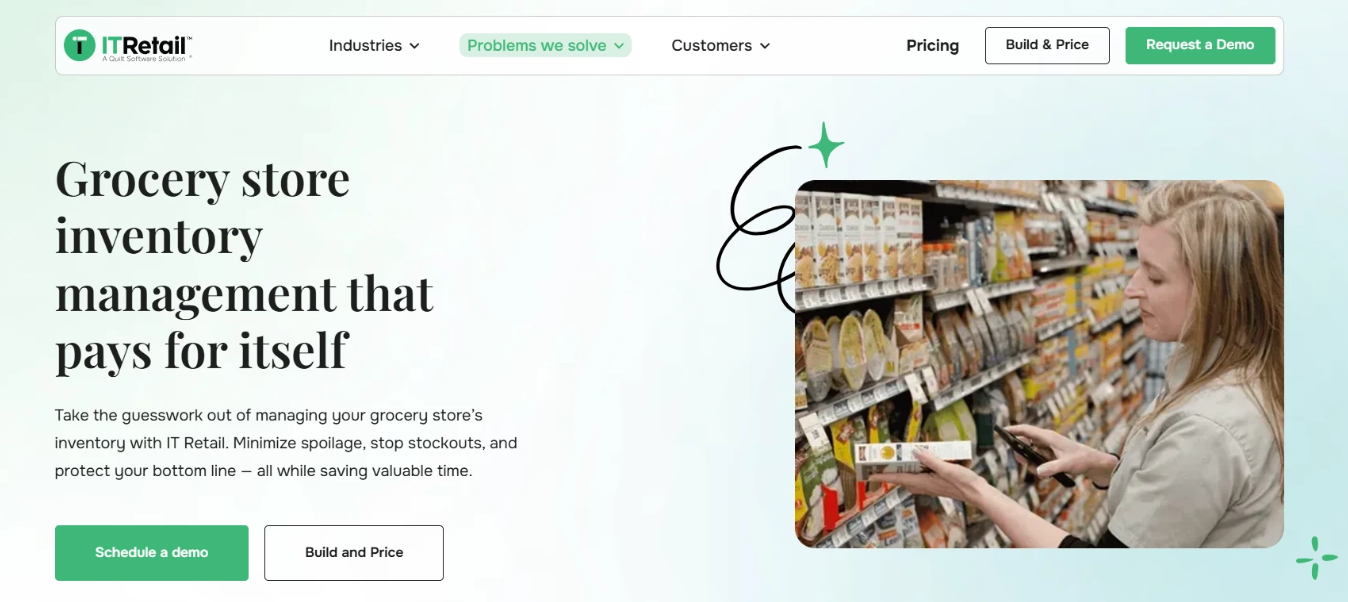
IT Retail provides POS and back-office software designed for independent grocery stores and supermarkets. It covers inventory tracking, ordering, pricing, scale integration and reporting.
Its grocery focus shows in features such as support for weighed items, electronic benefits payments common in US grocery, and tools for managing large product catalogues.
Key features:
- Grocery-focused POS with scale integration
- Inventory tracking and purchase orders
- Price management and reporting
- Multi-location support
Best for: Independent supermarkets and small grocery chains.
Things to consider: It is geared toward smaller operators, so large chains with distribution centres may need more advanced planning tools.
5. Upshop
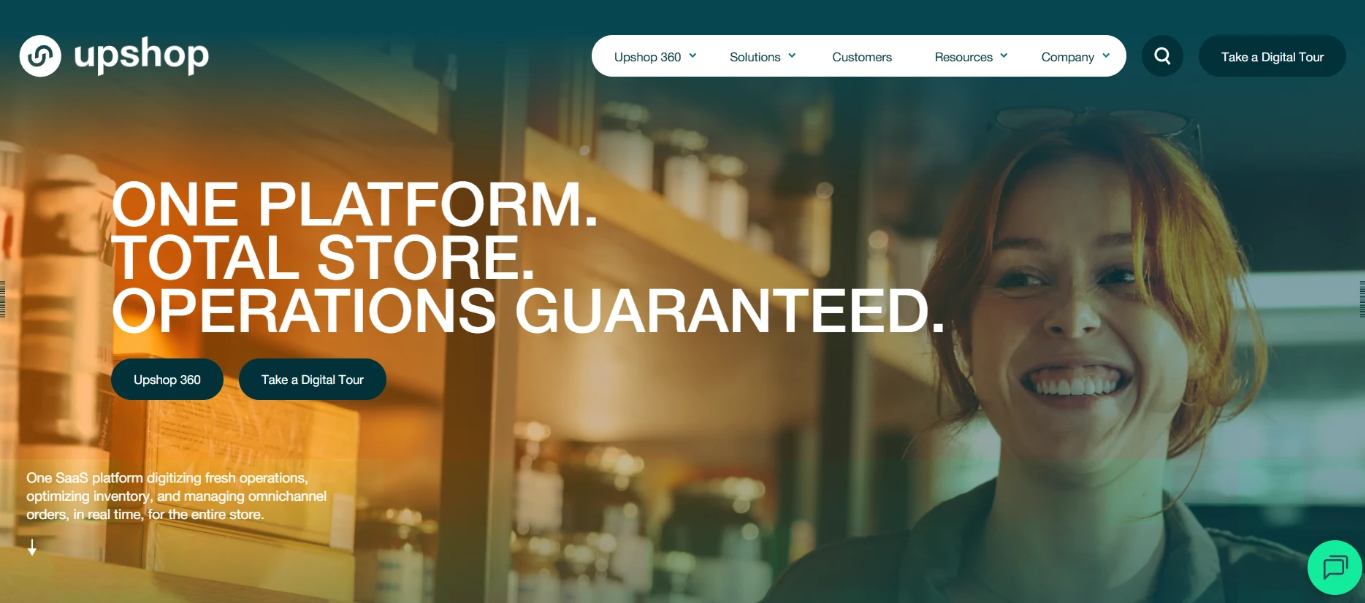
Upshop provides store operations software for grocery retailers, with tools covering fresh production planning, ordering, inventory, food safety and task management.
Its fresh production tools are particularly useful for grocers with in-store bakeries, delis and prepared foods, helping teams decide how much to produce and when.
Key features:
- Fresh production and ordering tools
- Inventory and shrink management
- Food safety and compliance tracking
- Store task management
Best for: Grocery chains with significant in-store fresh production.
Things to consider: It focuses on store operations, so retailers may pair it with other systems for central planning.
6. Cin7 Core
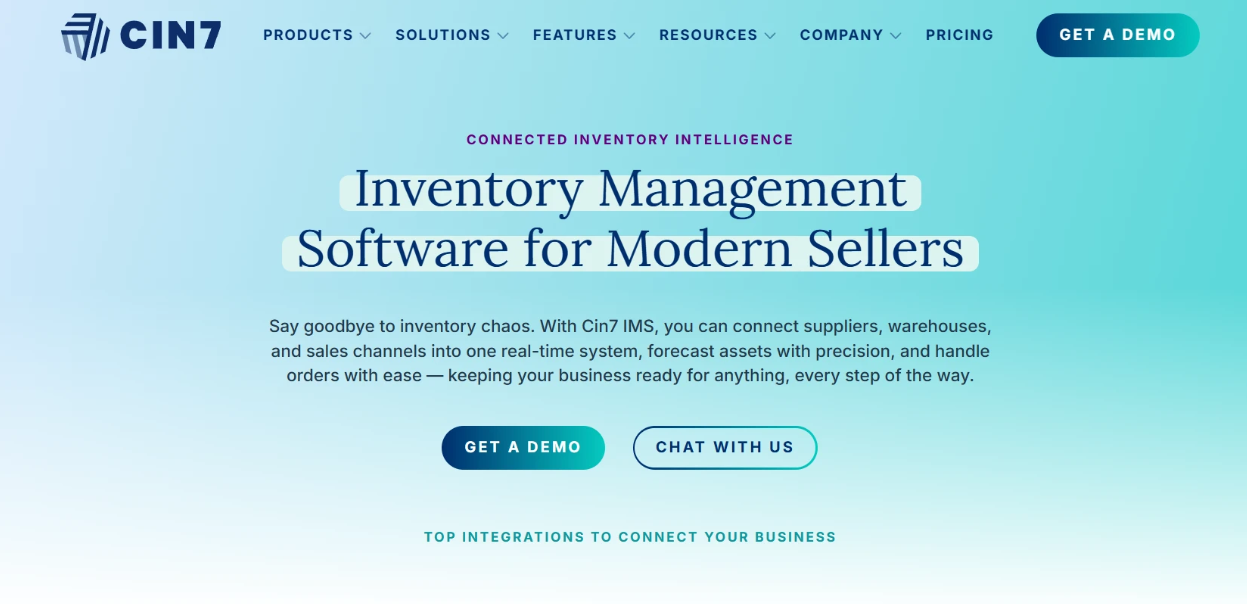
Cin7 Core is a cloud inventory management system for product businesses, covering stock tracking, purchasing, warehouse management and multi-channel sales. It integrates with many POS, e-commerce and accounting systems.
For specialty food retailers and grocers that also sell online or wholesale, it provides a central place to manage stock across channels.
Key features:
- Multi-location and multi-channel inventory
- Purchasing and supplier management
- Batch and expiry date tracking
- Integrations with POS, e-commerce and accounting
Best for: Specialty food retailers and grocers selling across several channels.
Things to consider: It's a general inventory platform, so grocery-specific forecasting is limited.
7. Zoho Inventory
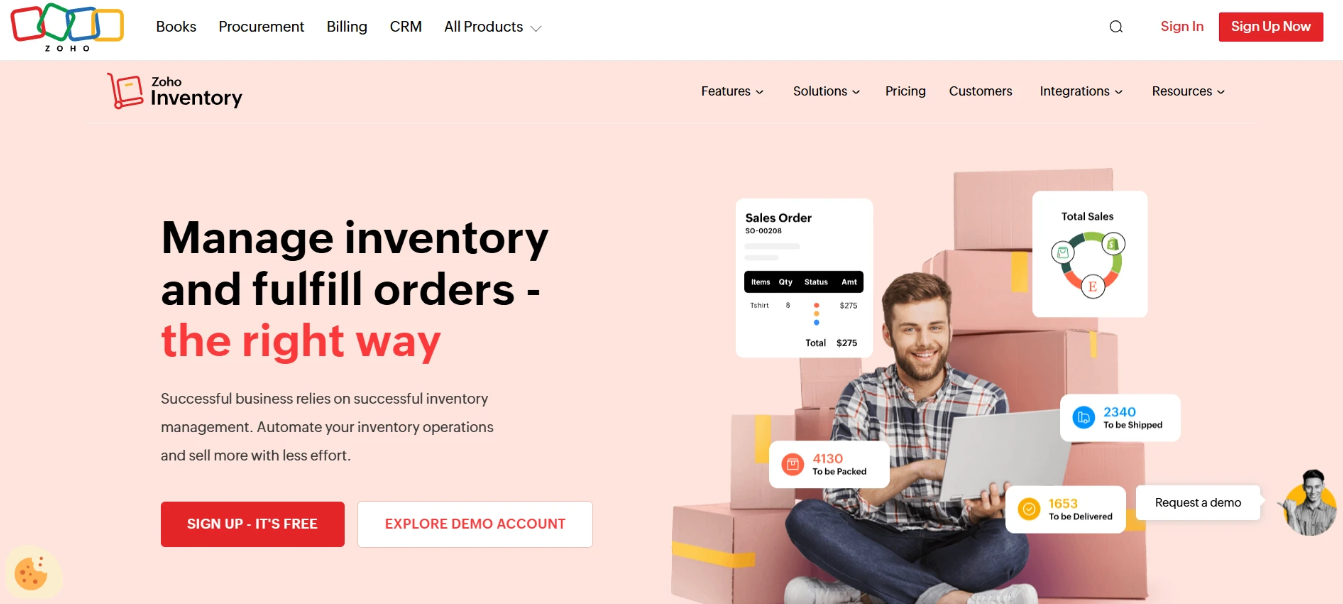
Zoho Inventory is an affordable cloud-based inventory system suitable for small businesses. It covers stock tracking, purchase orders, batch and expiry tracking, and integrations with the wider Zoho ecosystem.
For small grocers taking their first step away from spreadsheets, it offers a low-cost way to organise stock and purchasing.
Key features:
- Stock tracking across locations
- Purchase orders and supplier management
- Batch and expiry date tracking
- Integration with Zoho Books and other apps
Best for: Small grocery stores and food businesses on a limited budget.
Things to consider: It lacks advanced forecasting and automated replenishment for high-volume grocery operations.
Quick comparison
| Software | Main focus | Best suited for |
| Afresh | AI ordering for fresh departments | Chains reducing fresh waste |
| ECRS Catapult | Integrated POS and inventory | Independent and regional grocers |
| IT Retail | Grocery POS and back office | Independent supermarkets |
| LEAFIO AI | AI replenishment and shelf management | Grocery chains and multi-store operators |
| Upshop | Fresh production and store operations | Chains with in-store fresh production |
| Cin7 Core | Multi-channel inventory | Specialty food retailers |
| Zoho Inventory | Affordable stock management | Small grocery stores |
How to choose the best grocery inventory management software
Start with the size and structure of your business. A single store usually needs reliable POS and basic stock control. As you add locations, automated ordering and demand forecasting start to pay for themselves, especially in fresh categories. Chains with distribution centres benefit most from platforms that plan stock across the entire network.
Next, look at where your losses happen. If waste in fresh departments is the main problem, prioritise tools with strong perishable forecasting. If stockouts in packaged goods are hurting sales, focus on replenishment accuracy.
Finally, check integrations with your existing POS, accounting and supplier systems, and ask vendors for examples from grocery businesses similar to yours.
Inventory management is where grocery profitability is won or lost. The right software helps stores order what customers will buy, keep shelves stocked and throw away less food. Small grocers can make real progress with simple, affordable systems, while chains gain the most from AI forecasting and automated replenishment. Whatever your size, moving from guesswork to data-driven inventory is one of the most effective ways to protect margins in a demanding industry.
839GYLCCC1992
Leave a Reply