

Understanding the Digital Economy: A Beginner's Guide
The global economy is changing fast, all thanks to digital technology. From how you shop and work to how you manage your money, digital platforms and tools are now deeply woven into modern life. This huge, interconnected web of online activity is what we call the digital economy. And understanding how it works isn't just for tech experts anymore. It's becoming crucial knowledge for anyone who wants to grasp the future of business, finance, and communication.
This shift isn't just about buying things online. It includes the gig economy platforms that connect freelancers with clients, the streaming services that bring entertainment to your screen, and the complex systems behind online advertising. As this digital world grows, it has also brought new kinds of assets and new ways of thinking about value, trust, and transparency.
 Image Credit: Unsplash
What Defines the Digital Economy?
The digital economy covers all economic activity that relies on or gets a big boost from digital technologies. It's the sum of billions of online interactions happening every moment between people, businesses, and devices. While it might sound complicated, you're part of it every day. When you order a ride through an app, stream a movie, or pay a bill online, you're engaging with the digital economy.
This economy stands on several key pillars:
- E-commerce: Online marketplaces like Amazon, Shopify, and Etsy have completely changed retail. They let businesses reach customers globally without needing a physical store.
- Digital Services: Subscription models for software, entertainment, and news are now standard. Companies like Netflix, Spotify, and Adobe deliver their products directly to consumers over the internet.
- The Gig Economy: Platforms such as Upwork and Fiverr have created new job markets. They connect independent contractors with short-term projects and remote work opportunities worldwide.
- Data and Advertising: A big part of the “free” internet runs on data. Companies use information about what users do online to show them targeted ads, which in turn fuels a massive industry.
It's wrong to think of the digital economy as separate from the traditional one. Instead, it's an evolution. A local bakery using an online ordering system, a mechanic using diagnostic software, or a farm employing sensor technology to monitor crops are all part of this digital shift. The main change is how data and connectivity improve efficiency, open up new markets, and create new value.
The Role of Digital Currencies
A big innovation within the digital economy is the rise of new types of money made specifically for the internet. These are generally called digital currencies, a broad term that includes everything from loyalty program points to more complex cryptographic assets. It helps to look at the different types. For example, a virtual currency might only exist within a specific environment, like the in-game money used to buy items in a video game.
Cryptocurrencies, such as Bitcoin and Ethereum, are a distinct kind of digital currency. Their key feature is that they use cryptography to secure transactions and control how new units are created. Unlike traditional currencies issued by governments (like the U.S. dollar or the Euro), most cryptocurrencies are decentralized. This means no single entity, like a bank or government, controls them. Instead, they run on a distributed network of computers, making them accessible to anyone with an internet connection. This setup can offer benefits like lower transaction fees and faster cross-border payments, because it removes the need for traditional financial intermediaries.
Transparent Transactions for All
One of the most powerful ideas cryptocurrencies brought in is radical transparency. Many operate on a public ledger, a digital record book that logs every single transaction. This ledger, known as a blockchain, is spread across thousands of computers worldwide, making it almost impossible to change or tamper with. Anyone can look at the ledger to check that a transaction happened, building a system of trust based on cryptographic proof instead of relying on a central institution's reputation.
This idea of verifiable transparency is now being used in other parts of the digital world, helping to ensure fairness in processes that used to be hidden. For instance, in cryptocurrency mining, transparency is vital for miners to know they're being paid fairly for their work. Some platforms are built entirely around this concept; for example, NexusPool's Glass Ledger provides signed receipts for all mining contributions, creating a system that is provably fair and transparent for participants. This level of openness builds confidence and empowers users by giving them the tools to check everything themselves. This shift from “trust us” to “verify for yourself” is a cornerstone of the new financial frontier.
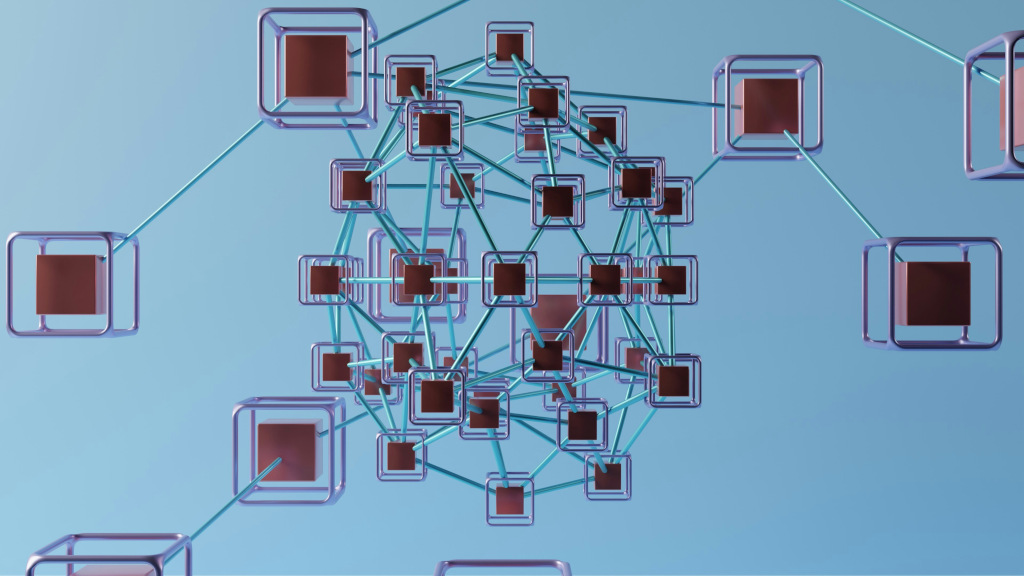 Image Credit: Unsplash
Blockchain's Impact on Trust
The technology that makes this transparency possible is the blockchain. Simply put, a blockchain is a chain of digital “blocks” where each block holds a group of transactions. Each new block is cryptographically linked to the one before it, creating a secure and chronological record. Because this ledger isn't stored in one central place but is copied and spread across a huge network of computers, it's incredibly robust and resistant to censorship or manipulation.
To change a transaction on the blockchain, someone would have to alter that block and every single block that came after it, across most of the computers in the network. That's practically impossible. This unchangeable nature is what creates trust in the system. You don't need to trust a person or a company; you only need to trust the math and the open-source code that runs the network.
Blockchain technology has potential uses far beyond digital currencies. Industries are looking into using it for:
- Supply Chain Management: Tracking goods from where they're made to the consumer to verify they're real and prevent fakes.
- Voting Systems: Creating secure and auditable election results that are hard to tamper with.
- Intellectual Property: Setting up a clear, unchangeable record of ownership for digital art, music, and inventions.
- Healthcare: Securely managing patient records while letting individuals control who can access their data.
In each case, the blockchain provides a shared, single source of truth that many parties can rely on without needing a central go-between to validate information.
Navigating New Financial Frontiers
Stepping into the digital economy, especially its financial parts like cryptocurrency, means you need to be ready to keep learning and be careful. The landscape is new, and the technology is complex. The first and most important step is education. Before putting in any time or money, commit to understanding the basics. Resources like detailed guides on Cryptocurrency 101, project whitepapers, and reliable financial news outlets can give you a solid starting point.
As you start exploring, keep these practical tips in mind:
- Start Small: The cryptocurrency market is known for being volatile. Never invest more than you're okay with losing, especially when you're just beginning. Think of your first investments as a learning experience.
- Prioritize Security: Protect your digital assets just like you would your physical wallet. Use strong, unique passwords for every platform and turn on two-factor authentication (2FA) wherever possible. Learn about the differences between hot wallets (online and convenient) and cold wallets (offline and more secure) to store your assets safely.
- Beware of Scams: The promise of big returns attracts bad actors. Be suspicious of offers that seem too good to be true, unsolicited messages asking for your private keys, and projects with anonymous teams or vague goals. Phishing scams, where fake websites trick you into giving up your login details, are especially common.
- Understand the Long-Term View: While daily price changes get a lot of attention, the real importance of this technology is its potential to reshape industries over the long run. Focus on understanding a project's underlying value and usefulness rather than just its short-term price movements.
The digital economy isn't just a passing trend; it's a fundamental shift in how the world operates. Approaching it with curiosity and a healthy dose of skepticism will help you understand and participate in the financial innovations of the future.

 (1 votes, average: 4.00 out of 5)
 Loading...
839GYLCCC1992
Leave a Reply