

Making a Career Change to Nursing: A Practical Guide
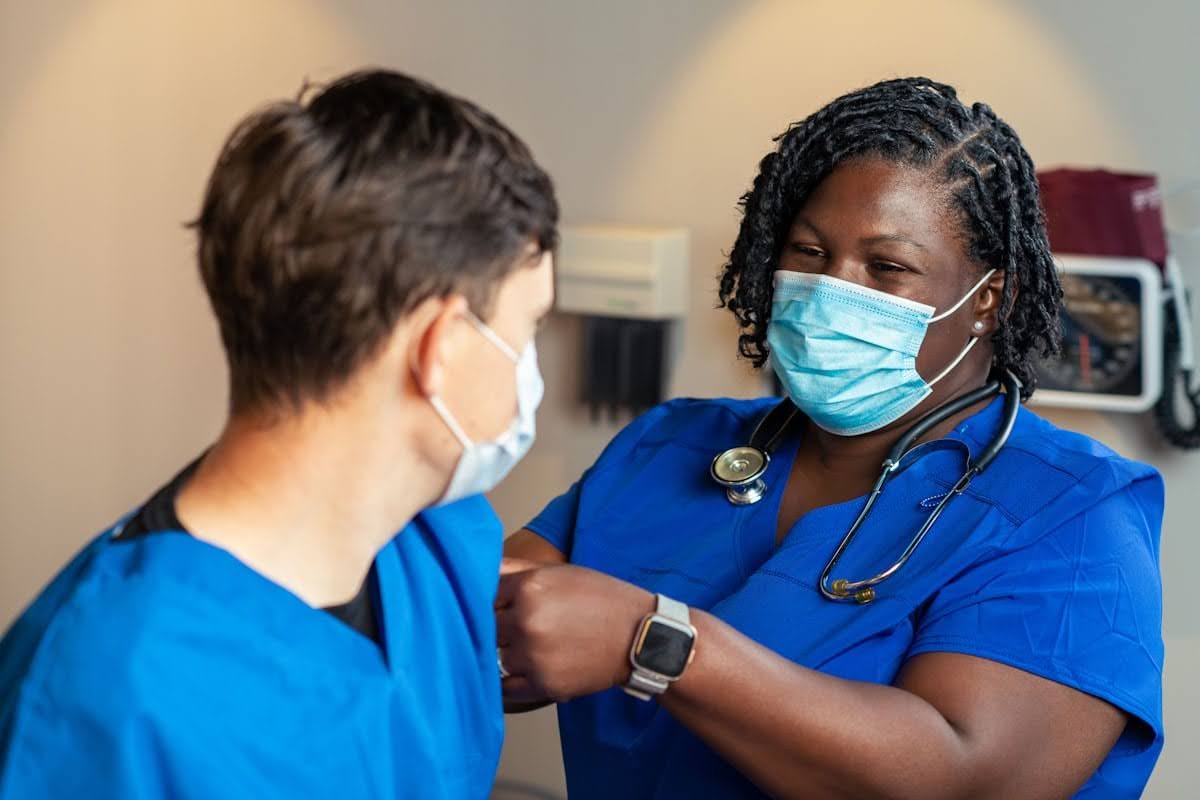
Switching careers can feel like stepping into the unknown, especially if you're moving from a completely different field into healthcare.
Yet, for many professionals across the United States, making a career change to nursing isn't just a leap; it's a thoughtful pivot toward a more meaningful and people-centered profession. Whether you're coming from business, education, tech, or another industry, nursing offers a clear path that blends purpose with long-term opportunity.
So what does it actually take to make that transition successfully?
Let's break it down.
The Benefits of Making a Career Change to Nursing
Personal Fulfilment
One of the biggest benefits of nursing is the sense of purpose it brings. Many career changers say they were looking for work that felt more meaningful, that is, something that directly impacts people's lives. Nursing delivers on that in a very real, day-to-day way. Whether you're helping a patient recover, educating families, or supporting communities, your work matters.
Job Security
There's also the practical side. Nursing offers strong job stability, competitive salaries, and flexibility. Hospitals, clinics, schools, and even virtual environments need skilled nurses, which means you're not tied to one type of workplace. You can work traditional shifts, travel, or even move into administrative or leadership roles over time.
Variety and Opportunities For Advancement
Another advantage is adaptability. If you start in one specialty and later realize it's not the right fit, you can transition. From pediatrics to emergency care to public health, nursing allows you to evolve without starting over completely.
Costs, Timeline, and Educational Requirements
Making the switch to nursing does require investment, both financially and in terms of time, but there are multiple pathways depending on your starting point.
If you already hold a bachelor's degree in another field, an accelerated Bachelor of Science in Nursing (ABSN) program is often the fastest route. These programs typically take 12 to 24 months to complete and are designed specifically for career changers. Schools like Baylor University Online offer flexible options that allow students to balance coursework with existing responsibilities, which can be a major advantage if you're working or supporting a family.
For those without a prior degree, a traditional BSN program usually takes about four years. Alternatively, an Associate Degree in Nursing (ADN) can take two to three years and may be more affordable upfront, though some employers prefer or require a BSN.
Costs vary widely depending on the program and institution. Tuition for ABSN programs can range from $30,000 to $80,000, while community college ADN programs are generally more budget-friendly. Financial aid, scholarships, and employer tuition reimbursement programs can help offset these costs, so it's worth exploring all your options early.
Nurses working as registered professionals must hold a valid license from their state, which they can earn by completing an accredited program and passing an exam.
What to Expect as a Career Changer
Transitioning into nursing from a non-healthcare background comes with a learning curve, but it also brings advantages. Skills like communication, time management, and problem-solving often transfer well into clinical settings. For example, someone from a corporate background may excel in organization and teamwork, while a teacher might already have strong patient education skills.
That said, nursing school is demanding. Clinical rotations, coursework, and exams require discipline and resilience. Many career changers find it helpful to build a support system early (whether that's classmates, mentors, or family members) who understand the commitment involved.
It's also important to be realistic about the physical and emotional aspects of the job. Nursing can be fast-paced and, at times, stressful. But for many, the rewards far outweigh the challenges.
Job Outlook and Long-Term Career Growth in Nursing
The job outlook for nurses in the United States remains strong. An aging population, increased access to healthcare, and a growing emphasis on preventive care all contribute to steady demand. According to projections from the U.S. Bureau of Labor Statistics, registered nursing is expected to grow faster than average over the coming decade.
This demand translates into job security and opportunities for advancement. With experience, nurses can move into specialized roles such as nurse practitioner, nurse educator, or healthcare administrator. Some even transition into research or policy work, influencing healthcare on a broader scale.
Continuing education plays a massive role in long-term growth. Ongoing professional development (like attending seminars or completing informal courses) is necessary, as the medical field is constantly evolving and requires nurses to stay current with new knowledge, skills, and best practices to remain effective in their roles. Many nurses may also pursue advanced degrees to expand their scope of practice and increase earning potential.
Nursing: A Rewarding Career
Making a career change to nursing isn't the easiest path, but it can be one of the most rewarding. It requires commitment, adaptability, and a willingness to step outside your comfort zone. In return, it offers a career that's not only stable and flexible, but deeply meaningful.
If you're considering this transition, take the time to research programs, understand the requirements, and reflect on your long-term goals. Talk to current nurses if you can, and get a realistic sense of what the day-to-day looks like.
A new career in nursing won't happen overnight, but with the right preparation and mindset, it's absolutely within reach.
839GYLCCC1992

Leave a Reply