

Guide to the Great Smoky Mountains National Park
Table of Contents
If you live in Northeastern US you don't have many options for visiting a national park within driving distance. You can head up to Acadia National Park in Maine or down to Shenandoah National Park in Virginia. However, for the quintessential national park experience your best bet is to make your way to the Great Smoky Mountains in Tennessee.
Travel guides from people you don't know can be misleading. What one person likes might not at all match what you like so statements that this is great or that is wonderful can lose all meaning. To help remedy that, note that this guide has been written by a National Park-loving, middle-aged dude who likes to hike with 10+ lbs of camera gear, but prefers the comfort of a hotel room to retire to at the end of the day. I'm not an expert birder, but I like birding. I can't name many plants or flowers, but I can happily spend all day amongst them. I'd rather look at a Giant Redwood than any man-made structure.
Finally, everything I've written here is based on first-hand experience. I'm pointing to resources I found useful and describing things I've actually done. The following isn't just a rehashing of someone else's work.
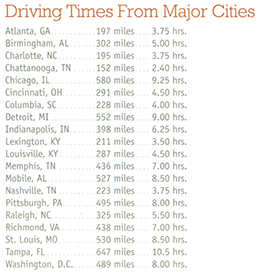
Getting There
If you're going to be driving from the north and if you've got the time, take a day to drive down through Shenandoah — the Skyline Parkway that runs through this park is very scenic. And while it's just 105 miles long, the speed limit plus the time you'll be spending admiring the view at the various turnouts can easily turn the journey into a 5 hour drive. And that's without a single hike! To give yourself the most time to enjoy Shenandoah, consider getting a hotel near the entrance in Front Royal, VA and another hotel in Waynesboro, VA at the southern end of the park.
Once you exit the southern end of Shenandoah you'll have two options for continuing your drive. You can make a beeline for the Great Smoky Mountains via the interstates (I-64 west to I-81 south) or continue south and take the Blue Ridge Parkway through the George Washington National Forest. The Blue Ridge Parkway is scenic especially if the sky is clear or the leaves are turning color. However, as with the Skyline Parkway your trip will take a lot longer. The good news is there are plenty of exits from the Blue Ridge Parkway (which really is too long to drive the entirety of unless you're going to spend a couple of days doing it) so you can get onto I-81 south to continue down to the Smokies. You can request info about the Blue Ridge Parkway here which includes a brochure of all the attractions along the way. You can also look at an electronic copy of the Blue Ridge Parkway brochure. The best map of the parkway I found comes courtesy of the National Park Service in PDF format.
If you've got time for either the Skyline Parkway or the Blue Ridge Parkway, choose the former. Probably because it is a national park, Shenandoah has done a better job with the turnouts and the road than the George Washington National Forest.
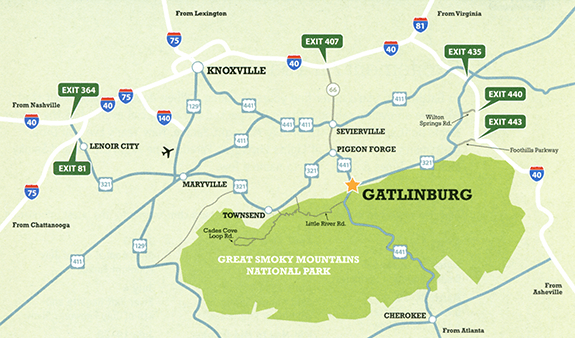
If you're coming in from the north, I recommend you plan to make the northern entrance of the Smokies your base. Gatlinburg, TN lies just outside the park and has all of the amenities and accommodations you'll need.
The Sugarlands Visitor Center
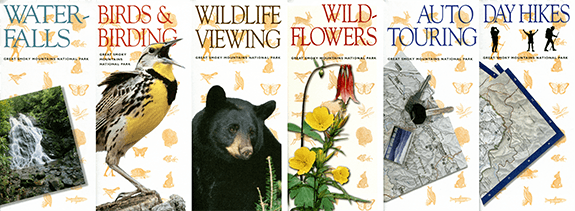
If you have come into the park from the northern entrance as I recommended, be sure to stop at the Sugarlands Visitor Center. The park's operators have produced many maps and booklets all for a reasonable price. There are maps and descriptions of drives, day hikes, waterfall hikes, and more all for just a $1.00 each (don't be cheap — pay the fee and help support the park). There's also a map for $1 that lists out more hiking trails than any other. It doesn't provide descriptions, but the location, length, and difficulty of each is provided. To get a sense of the park before arriving, there's a good online version provided by the National Park Service (this is the same as what you'll get in paper form from the visitor center).
Tucked away in the back of the center is a room full of exhibits where you can get an idea of the plants and animals you may encounter in the park. This is a good place to return to to help you name what you end up seeing if, like me, you have trouble remembering names.
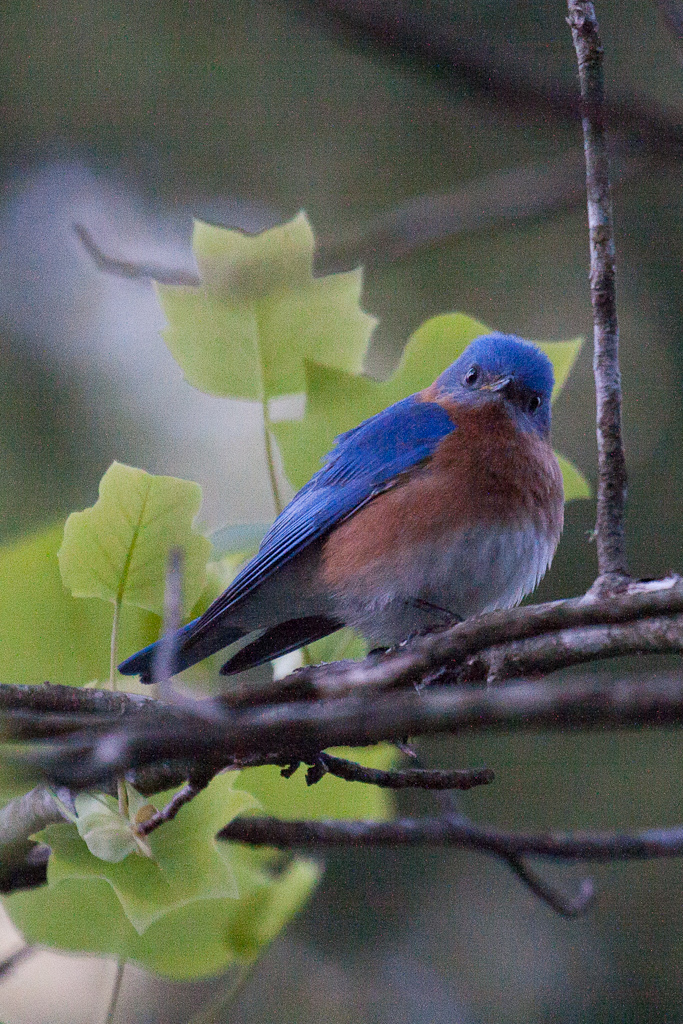
The parking lots around the center (both in front and behind) make for good bird watching particularly in the morning if it's not too cold. Although not rare, I saw a Bluebird and finches just by walking around these lots. There's a paved trail that crisscrosses little rivers and a trail branch will also take you to a small waterfall (Cataract Falls). Since this trail is heavily visited don't expect to see much wildlife.
Where to Stay
I'm not going to be able to weigh in on all of the accommodations options, but I will give my vote for Gatlinburg being the best place to consider. It's the closest to the park so you'll spend less time traveling to and from the park. For my visit, I stayed at the Hampton Inn in Gatlinburg. These accommodation lived up to my expectations for a Hampton Inn — the premises were clean and well-cared for; the room had a fridge; and the included breakfast was tasty and convenient.
One thing I wish I knew though was that the town sends its maintenance vehicles out early in the morning so my sleep was consistently disturbed around 4 am or 5 am by the beeping of a vehicle (backing up?) or by the rotating brushes and spray of water of a street cleaner. I mentioned this to the hotel staff and they said they've repeatedly asked the town to change the schedule, but the response hasn't been favorable. As a result, I recommend looking for something off the main strip to improve the chances of an uninterrupted night if you're a light sleeper.
Where to Eat
If you read reviews online, Gatlinburg doesn't get a particular good overall rating for the restaurant options. Which isn't to say that the food is bad, but it's just not all that different than any other touristy place.
I learned from hotel staff that the Texas Roadhouse has the best BBQ in town despite it being a chain and I have to agree with that assessment. Their ribs were some of the best I've had and the cinnamon butter was something I haven't had before. The Hampton Inn I stayed at had 10% off coupons for Texas BBQ Roadhouse and I imagine other hotels have them too. I'd also recommend the New Orleans Sandwich Shop for it's muffuletta sandwich and sweet potato fries with sugar and cinnamon. The Pancake Pantry (breakfast for lunch) was also quite tasty and super quick. Calhoun's was mediocre and also managed to get my order wrong so thumbs down from me.
I recommend packing a lunch as there are no restaurants in the Great Smoky National Park. There were some vending machines, but only for drinks. The visitor centers sold some chocolate bars, but while good, they were pricey. Instead, go to Old Dad's General Store located on the right side of the road just before the park entrance. They've got all of the junk food you'll need, but also a grill where you can get hot (and cold) sandwiches for a reasonable price (their BLT and Philly Cheesesteak both get thumbs up from me).
I used this list of restaurants in Gatlinburg for reference. It isn't complete (e.g. it doesn't list Texas Roadhouse), but it lists out enough to get you going.
What To Do When
If it's sunny or the sky is mostly clear:
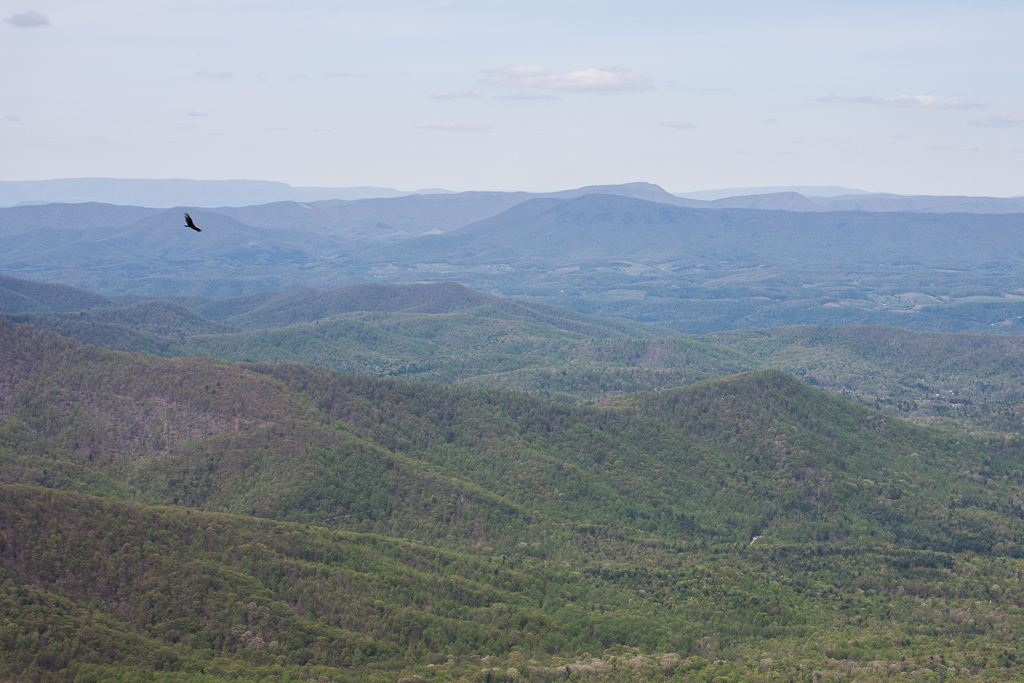
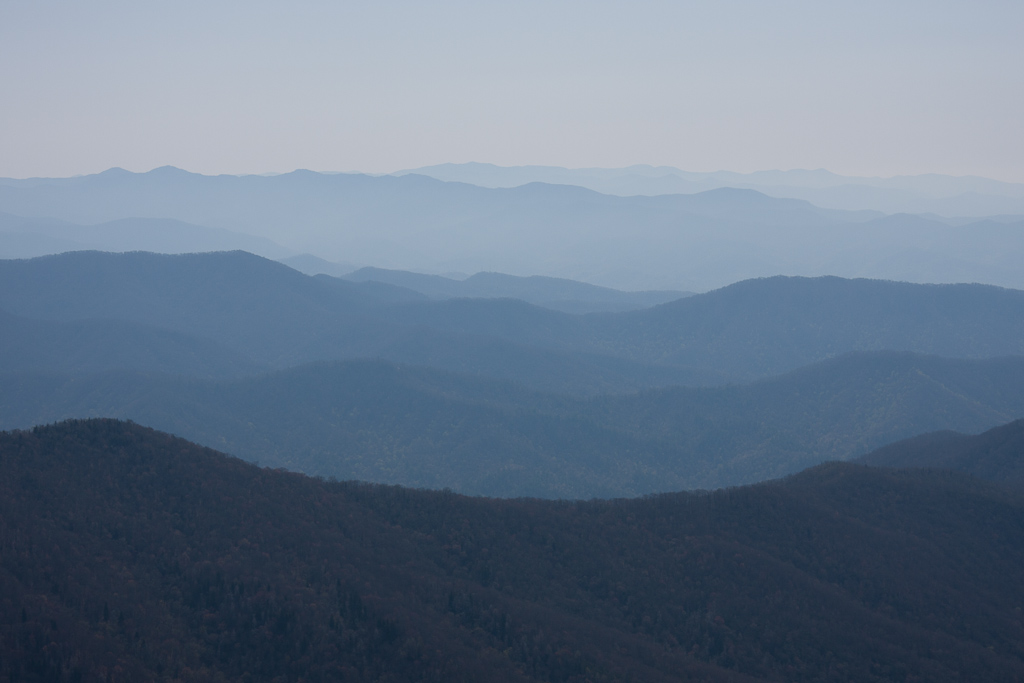
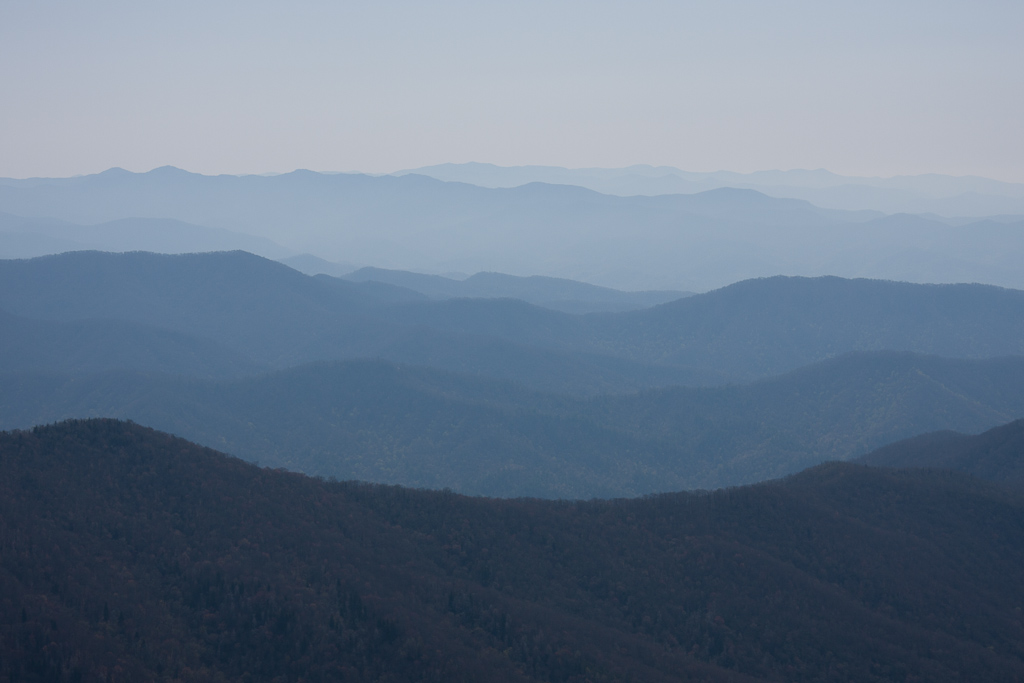
When the weather is good, head towards New Found Gap via 441. This road cuts through the middle of the park and about the half way mark you will cross over the state line into North Carolina. For the photobugs there is indeed a sign marking the state line. Just past the state line is Clingmans Dome Road that I suggest you take to Clingmans Dome which sits at an elevation of 6643 feet. A short, but fairly steep paved trail (with benches along the way) that leads to a structure you can ascend to get a 360 degree view of the area. The view is somewhat marred by what looks like a cell tower so be sure to keep it out of your photos. The parking lot is also a good place for views of the mountains.
Sadly, one thing you'll certainly notice is that there a lot of dead trees. These are Hemlocks that are being killed by an insect(the Hemlock Woolly Adelgid) brought in accidentally from Europe. While it's possible to treat trees and saved them from this insect, it is impossible for the park staff to treat all of the trees in the park because it's a manually intensive process.
If it's overcast or raining slightly:
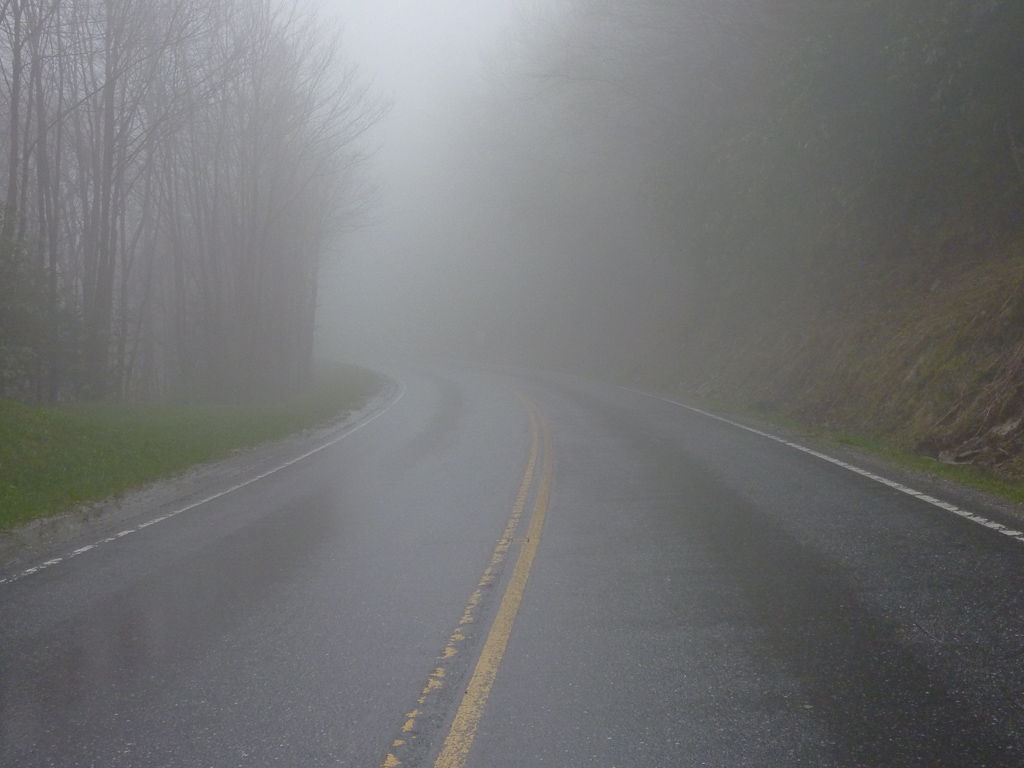
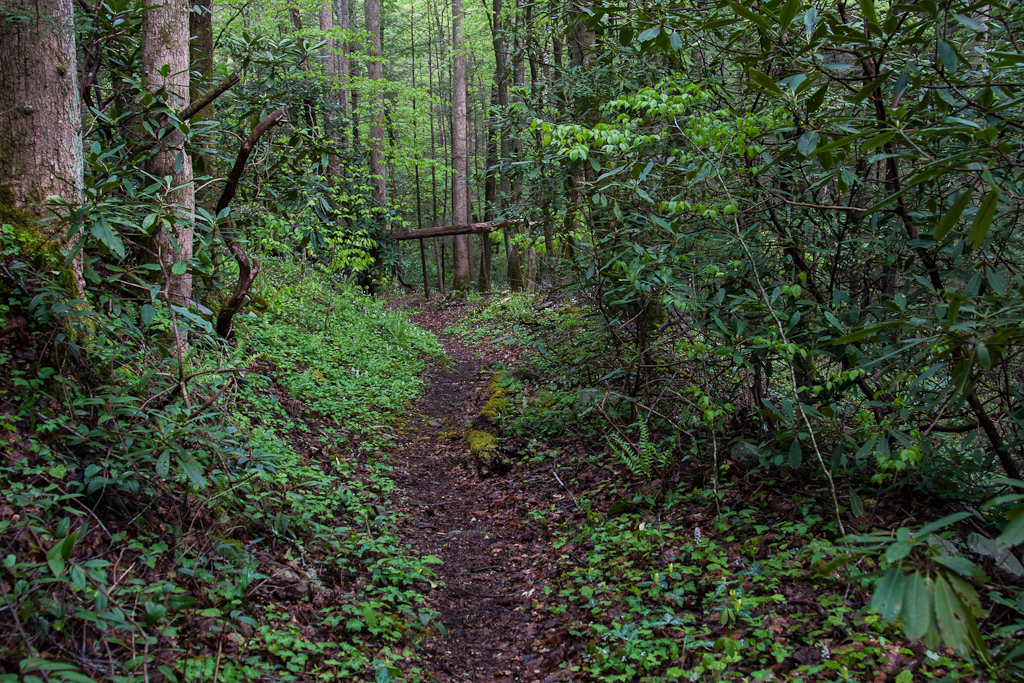
The Great Smoky Mountains get a lot of rain and cloud cover is to be expected, but that need not ruin your day. When there are clouds out or there's a light rain, head to the trails that are at lower elevations. The tree cover will protect you from the rain and the trail itself will look just as good without sunlight. The most scenic trails, in my opinion, are those that stayed close to a stream or river — the running water results in additional plant diversity.
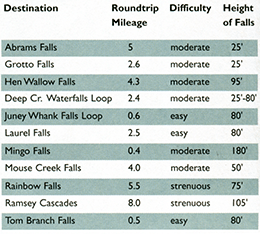
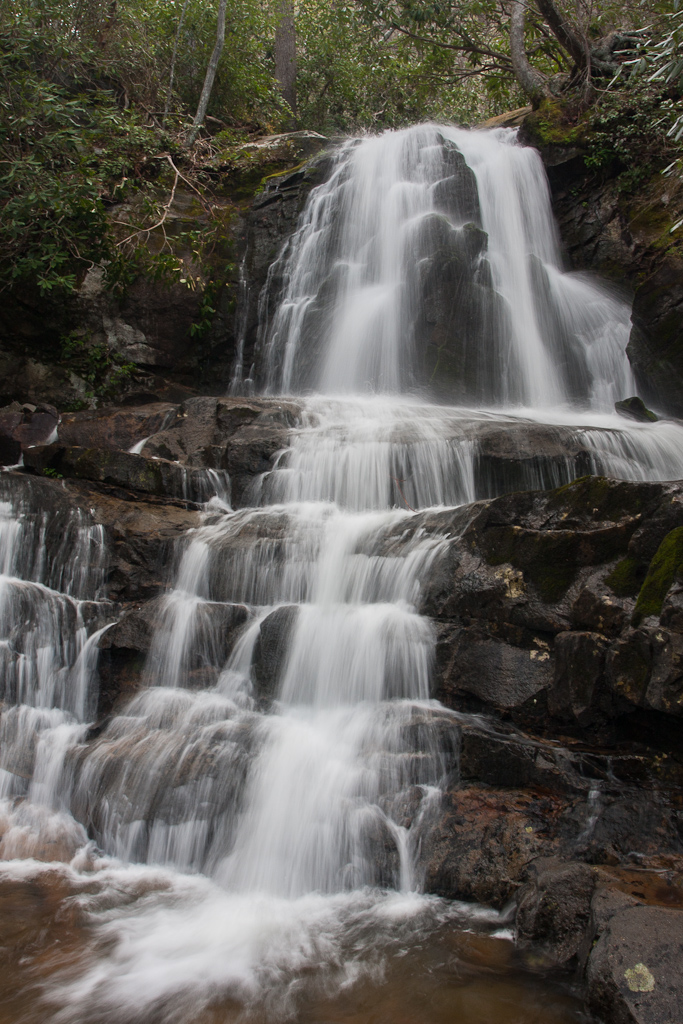
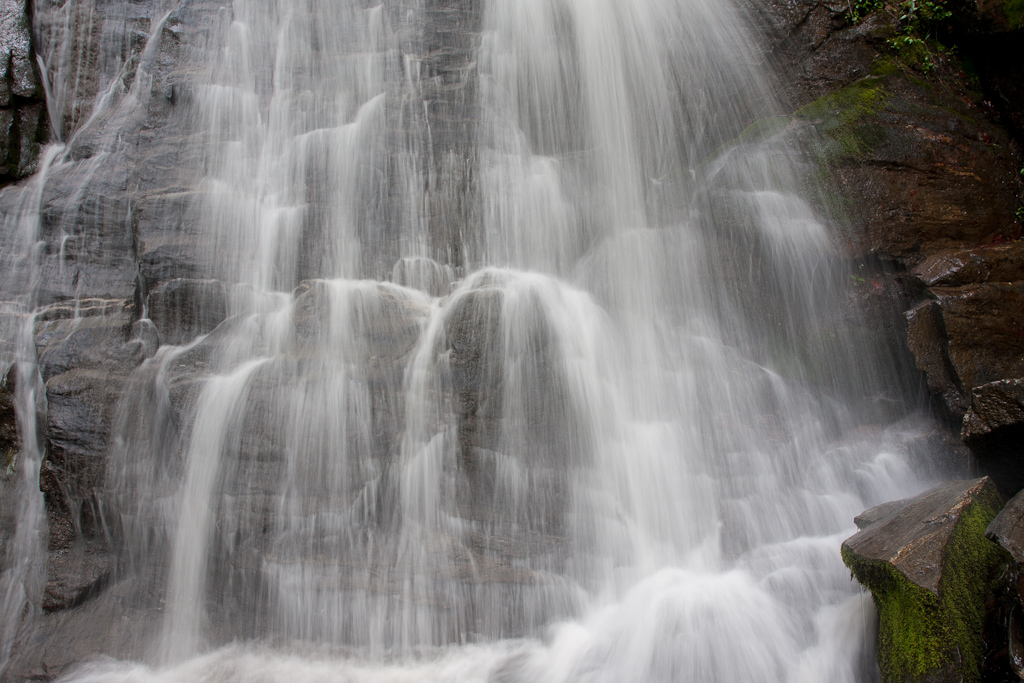
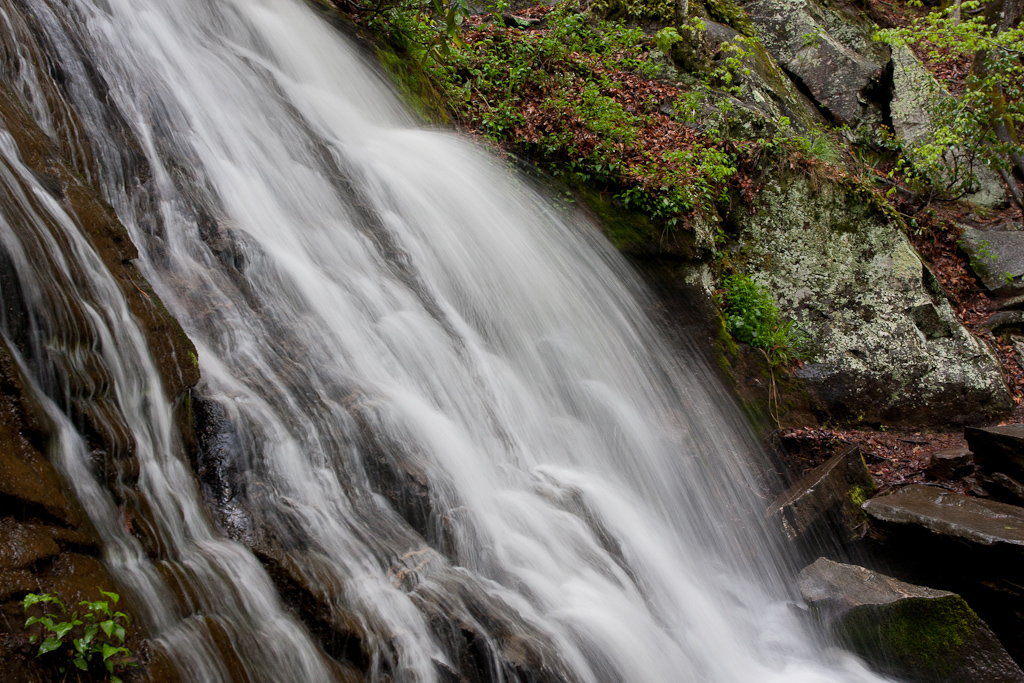
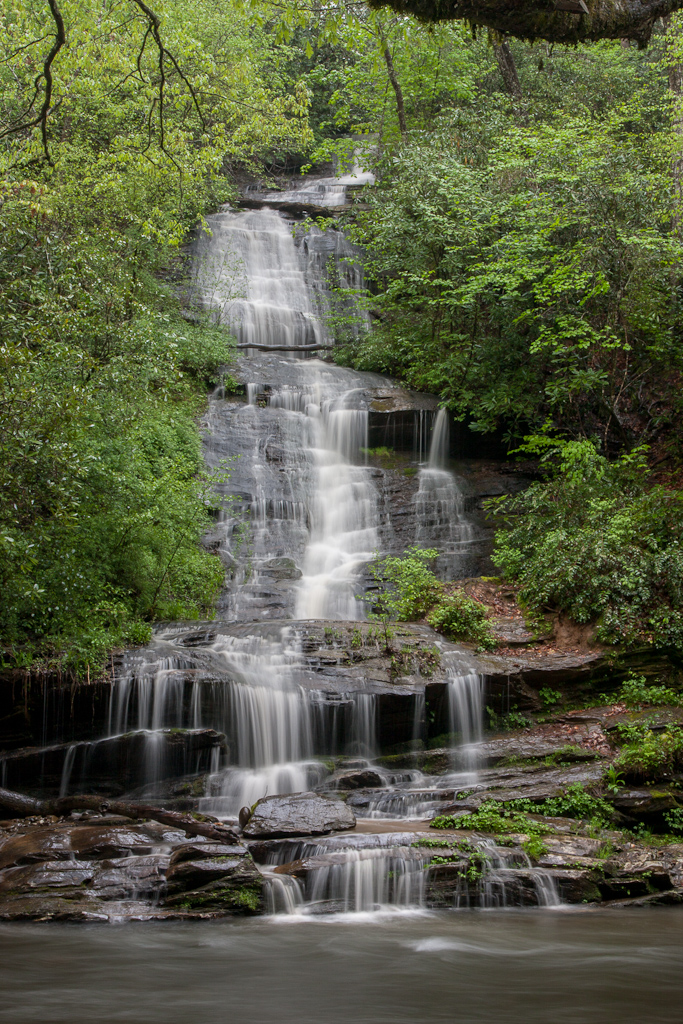
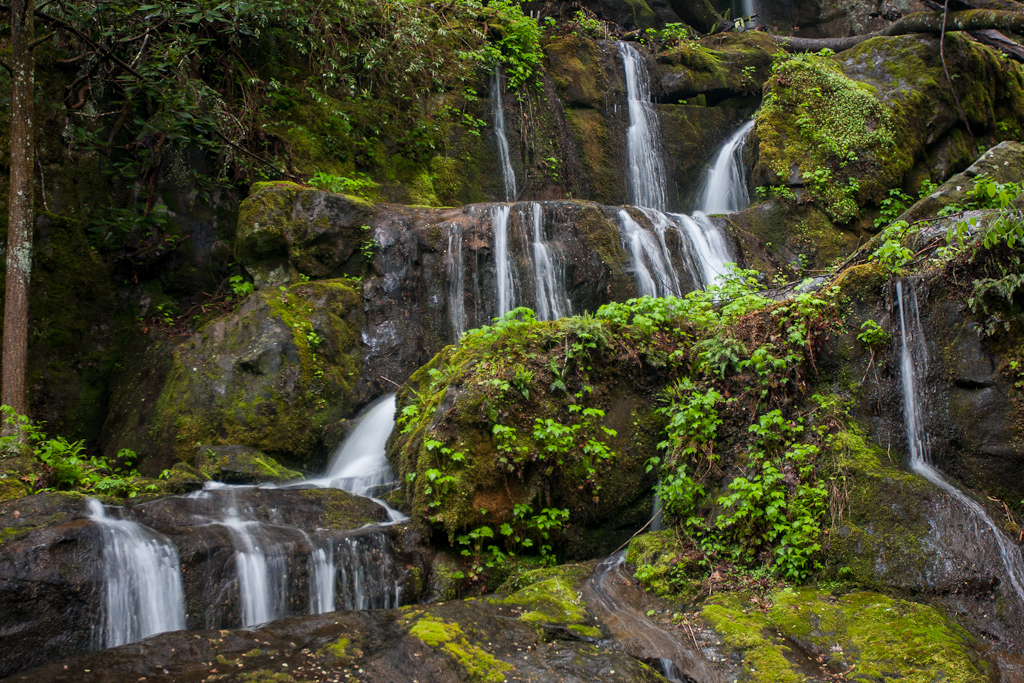
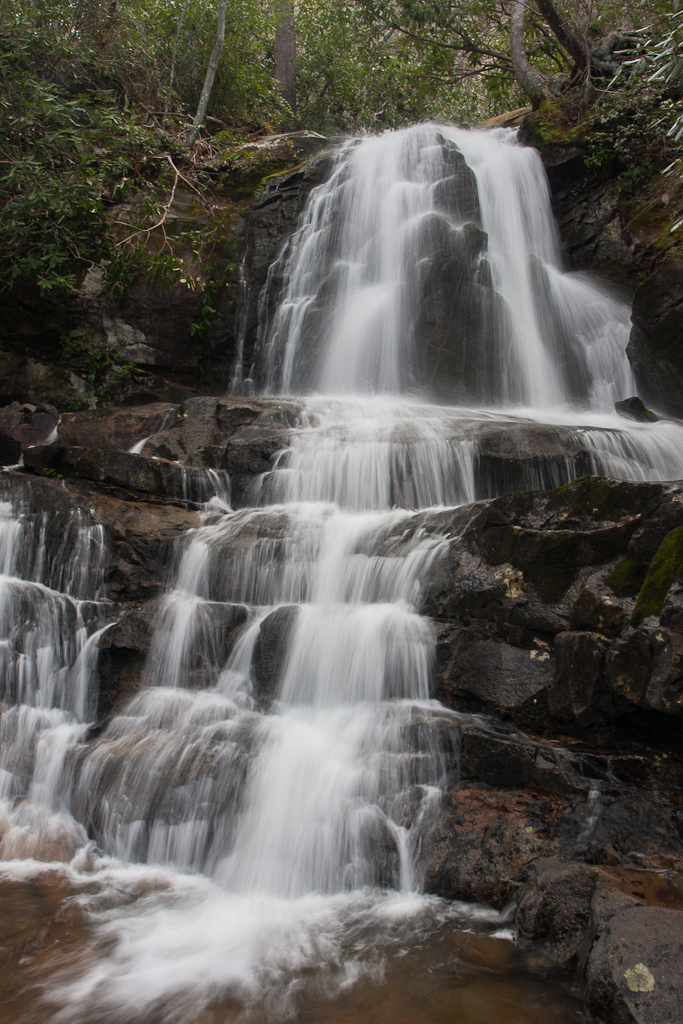
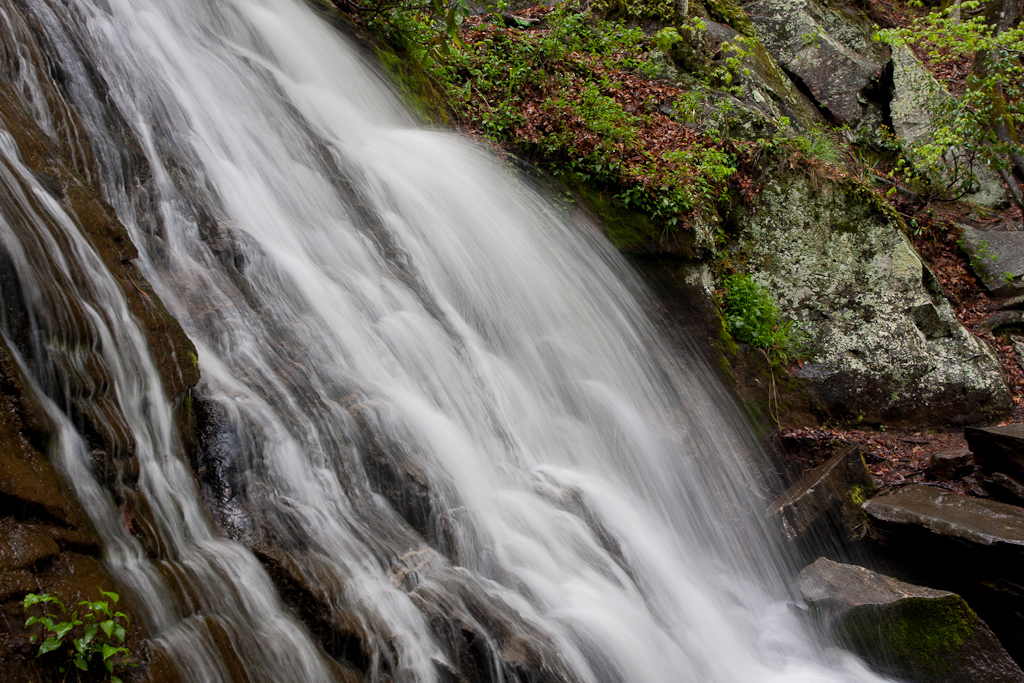
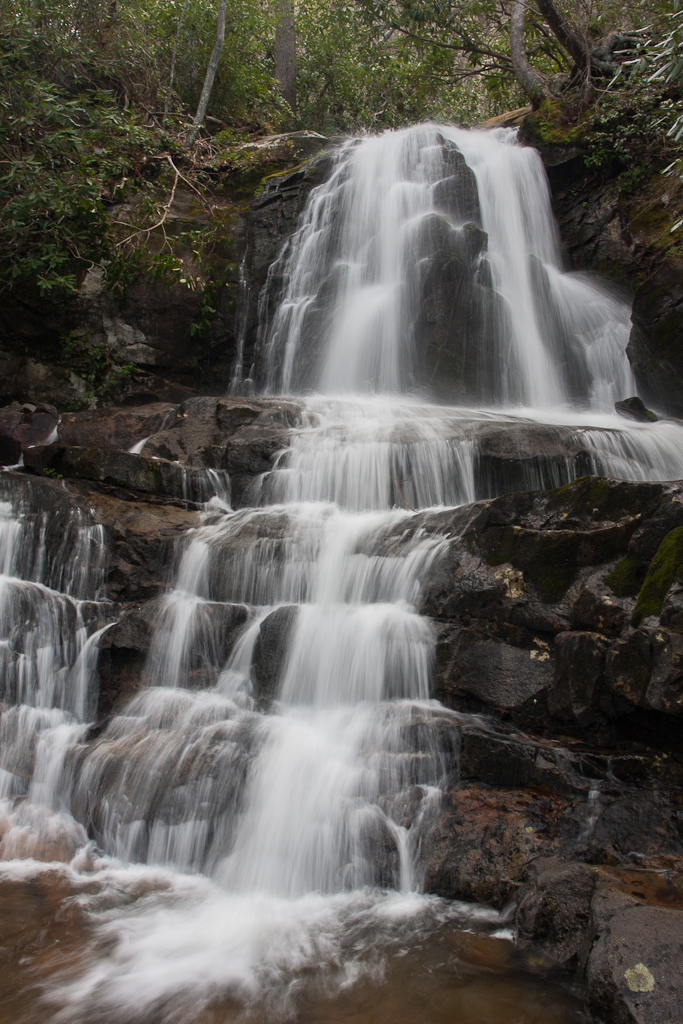
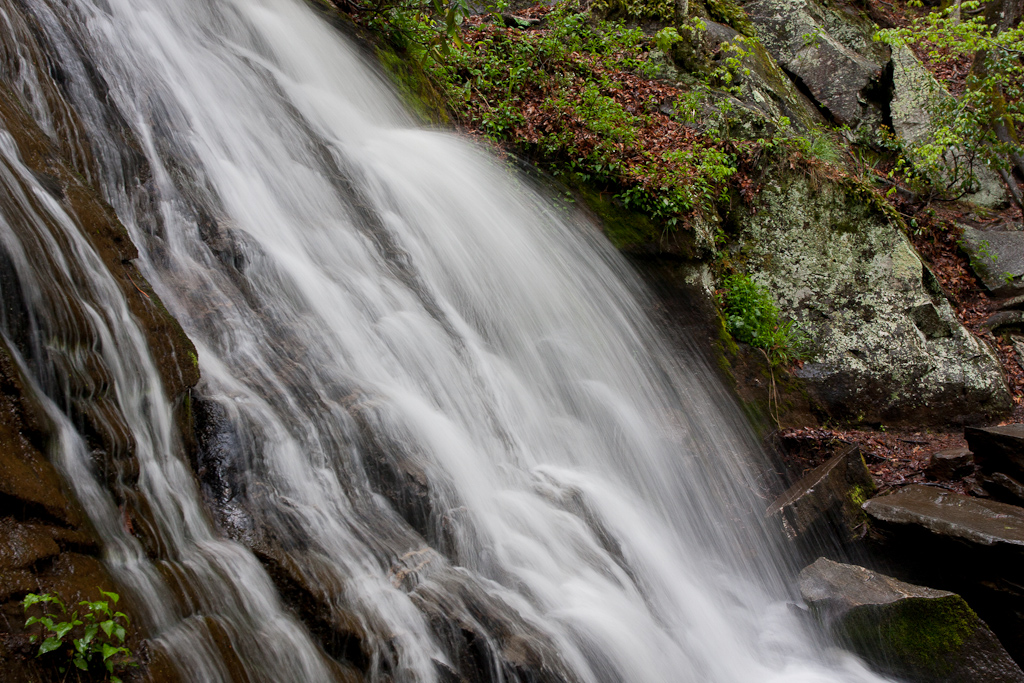
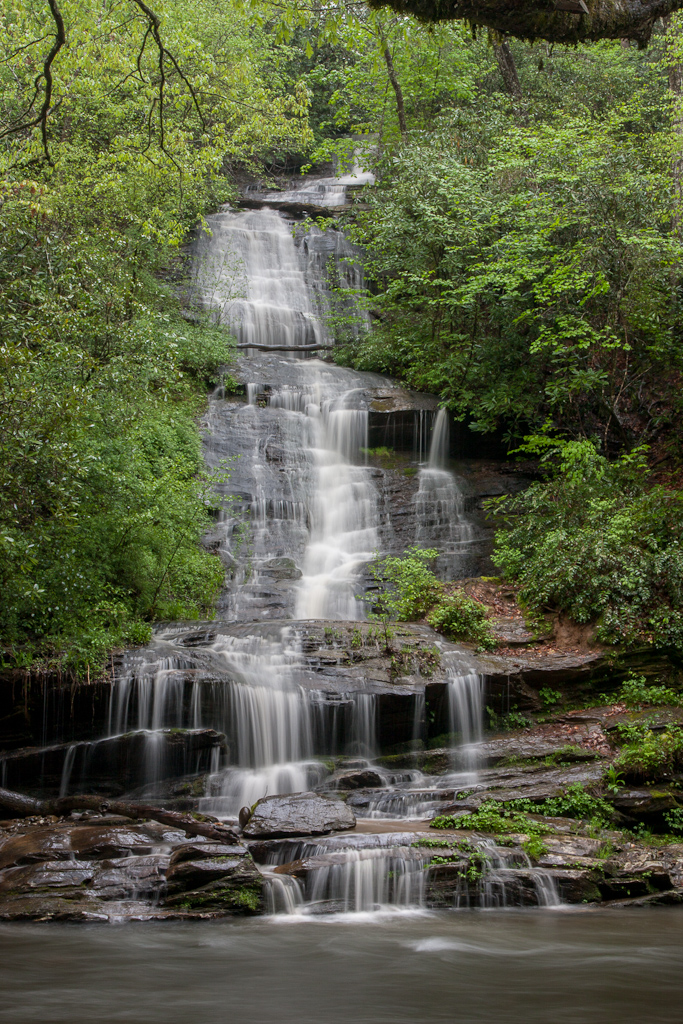
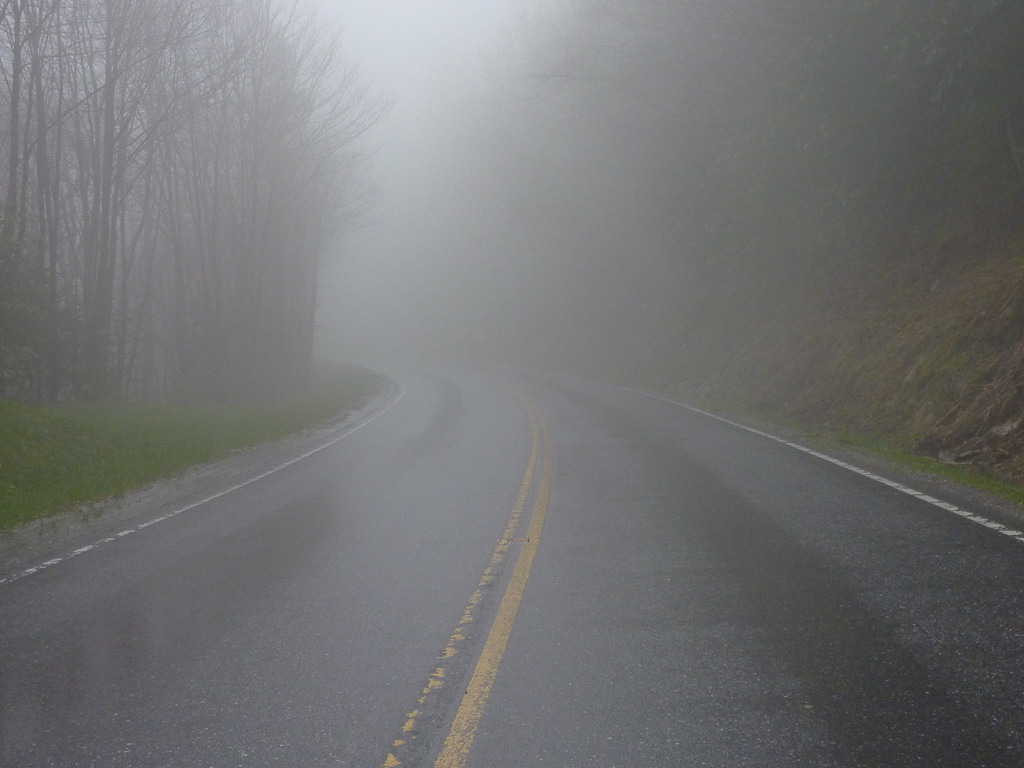
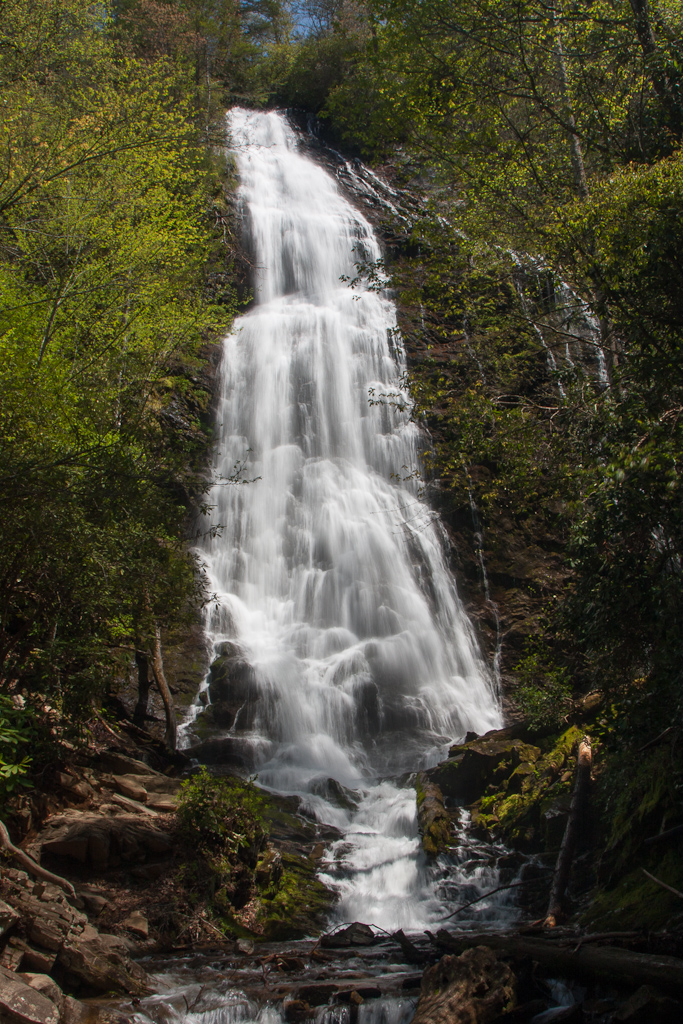
I think waterfalls are particularly enjoyable when the day is otherwise dreary. Of course, that's the photographer in me speaking that actually needs relatively low light levels for getting that smooth look of the flowing water. Fortunately, there are a handful of waterfalls that are a short walking distance from where you can park your car. Your best option is to head to the southern end of the park in North Carolina via 441. Keep an eye open for the “smoke” rising from the mountains (resulting from the rain) which is where the park gets its name. You'll actually need to exit the park for a bit and take roads back into the park (or close to its boundary) where the waterfalls are.
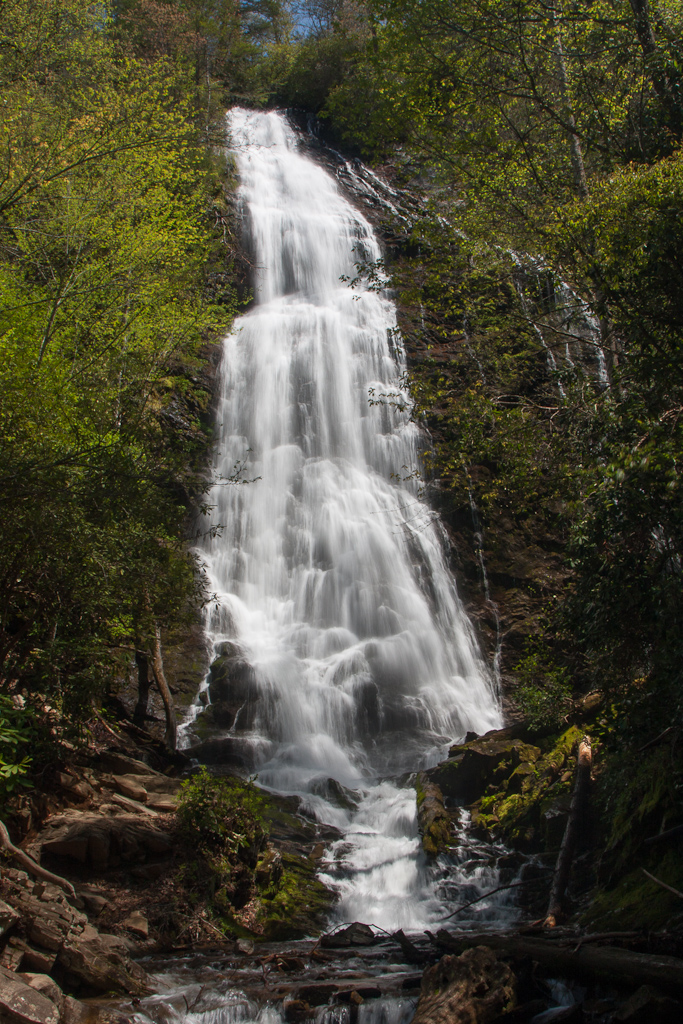
If you head northeast from the southern exit along Big Cove Road you'll come to a trail head for Mingo Falls located on the Cherokee Indian Reservation — it's the biggest falls in the area at 180 feet high. Heading southwest from the southern exit towards Bryson City will take you to a loop trail where you can see 3 waterfalls — Juney Whank Falls, Indian Creek Falls, and Tom Branch Falls. The first and third of these are really close to the parking lot so you don't have to brave the rain too much.
If it's raining heavily:
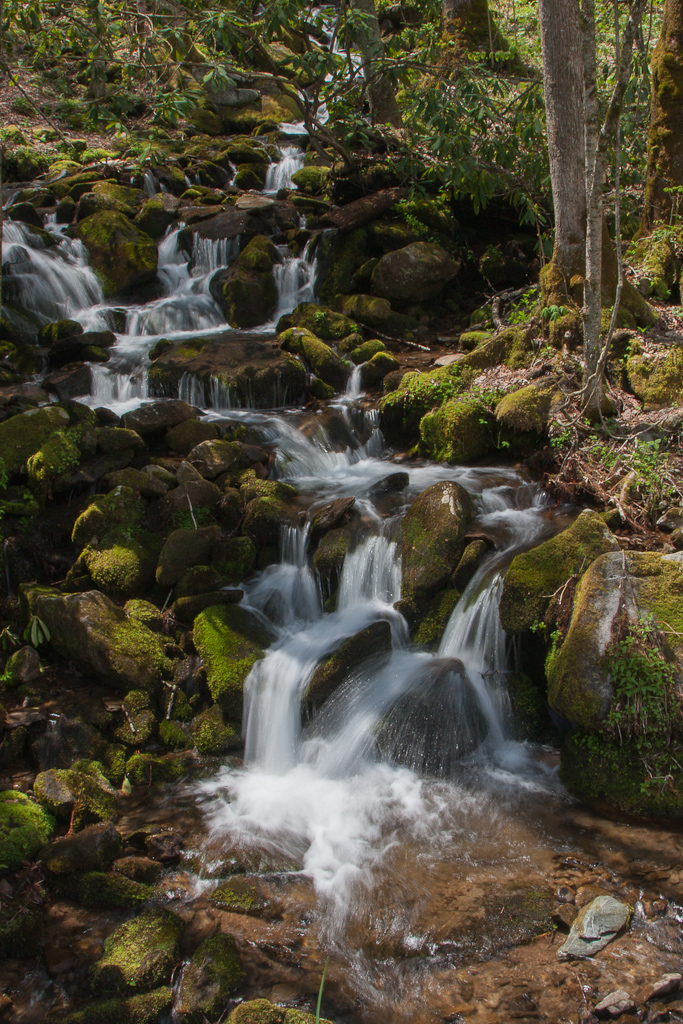
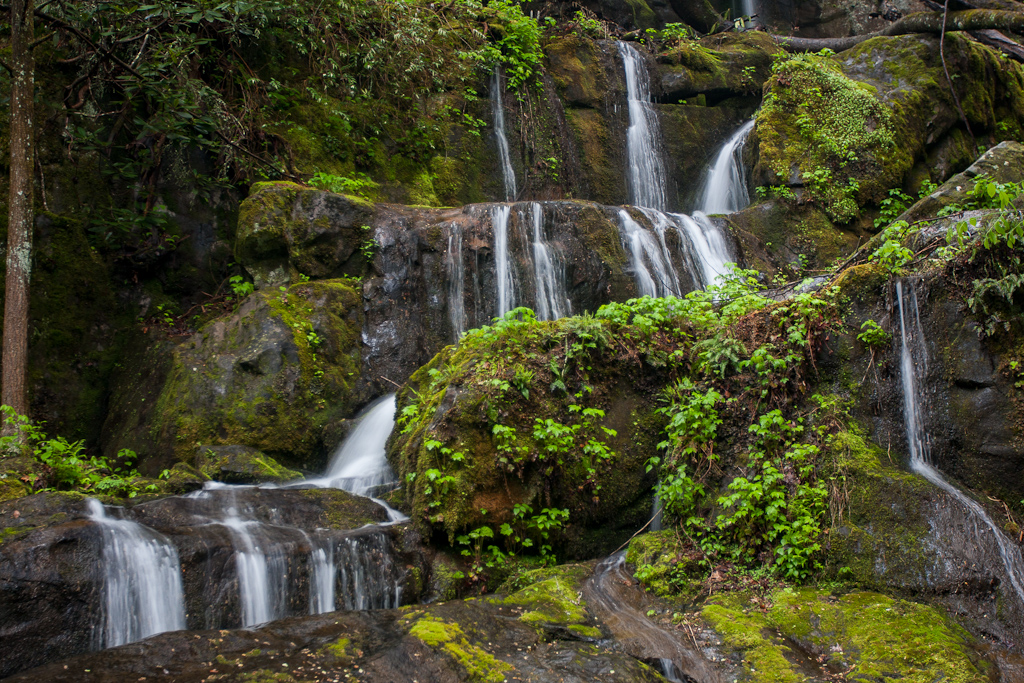
If the rain is coming down heavily and you want to enjoy the park from the comfort of your car, you're in luck! Not far from Gatlinburg is the Roaring Fork Motor Trail — an 8 mile loop around some incredible scenery most of which is forested providing some cover from the rain. This road also passes by several old wooden structures and exhibits that provide a historical perspective on the area. The speed limit is just 10 miles an hour so you can easily spend an hour on this drive. Be sure to look to either side as there are many cascades and small waterfalls worth checking out. During my week-long stay in the park I often started and / or ended my day with this drive.
Cades Cove, located on the western side of the park, is another drive worth doing. This is a one-way, 11-mile loop that will likely take 1.5 hours to complete without much stopping or hiking. The drive to Cades Cove will take at least 45 minutes and so combined you're looking at a minimum 3 hours for a roundtrip from the Sugarlands Visitor Center. Cades Cover is known for the wildlife viewing opportunities it affords, but keep in mind that animals aren't necessarily fond of the rain either. Cades Cove affords less tree cover than Roaring Fork and the views are often of open fields. These views make for good places to park your car and enjoy lunch. For more information, check out this good description of the wildlife in Cades Cove.
For Nature Photographers
If you're traveling with non-photographers, they're going to hate you within hours of your arrival. Why is that? Because the park is full of amazing photo opportunities that you'll be stopping regularly to take a picture.
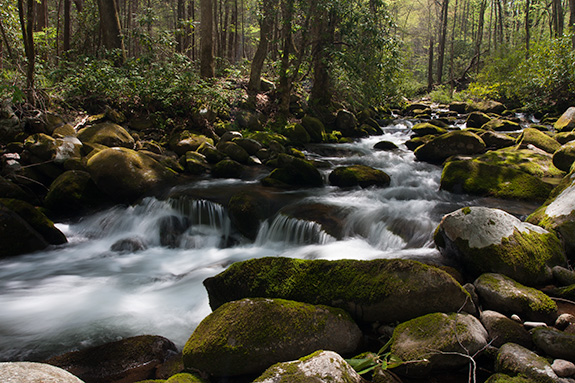
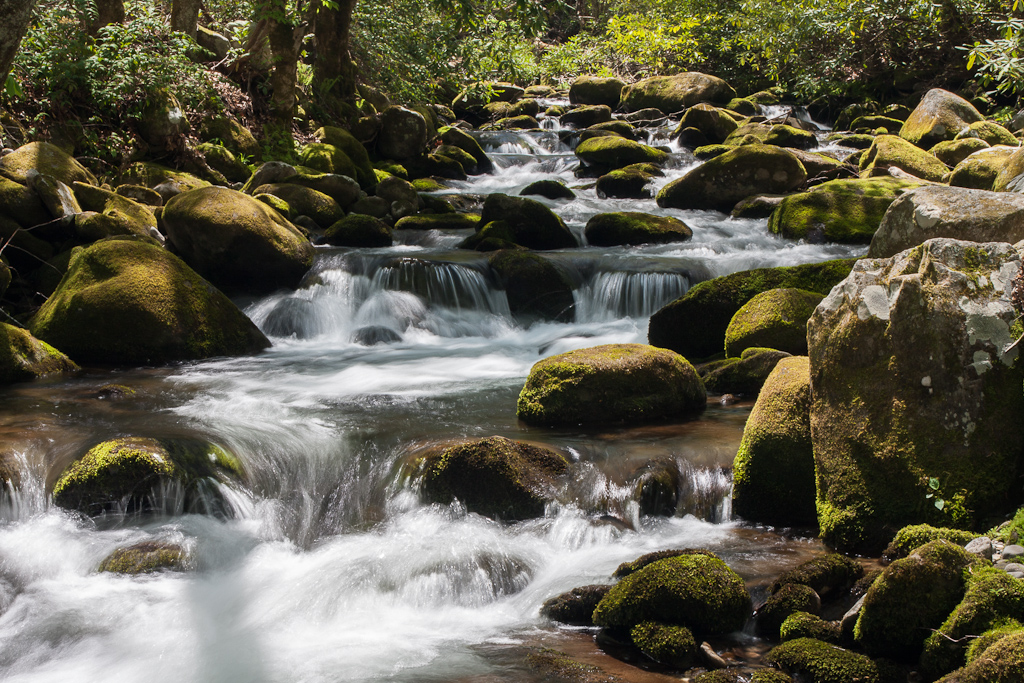
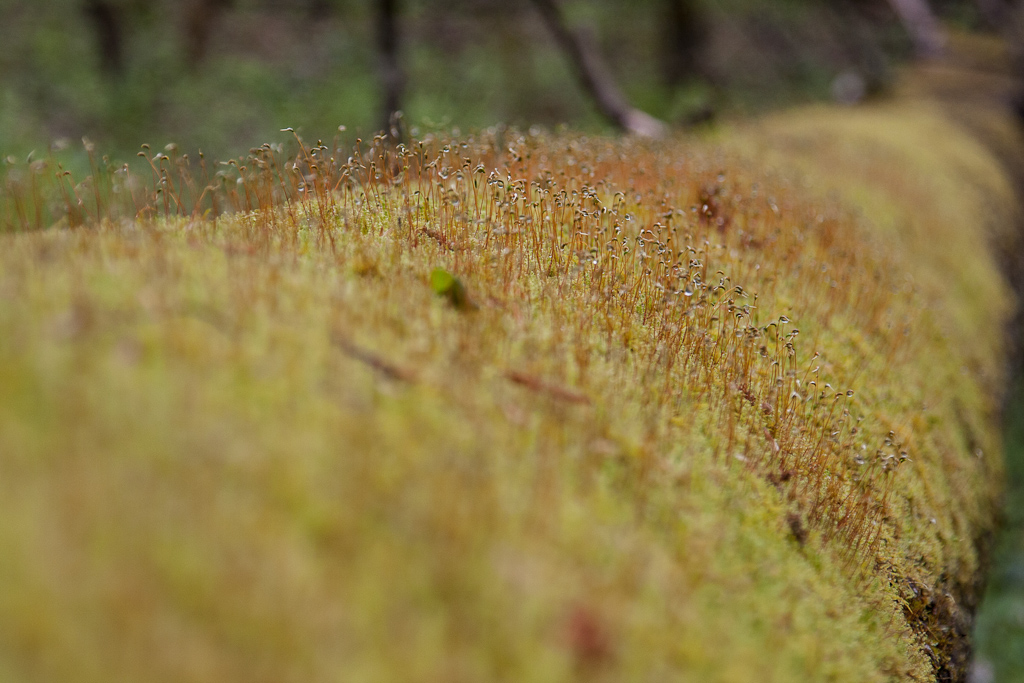
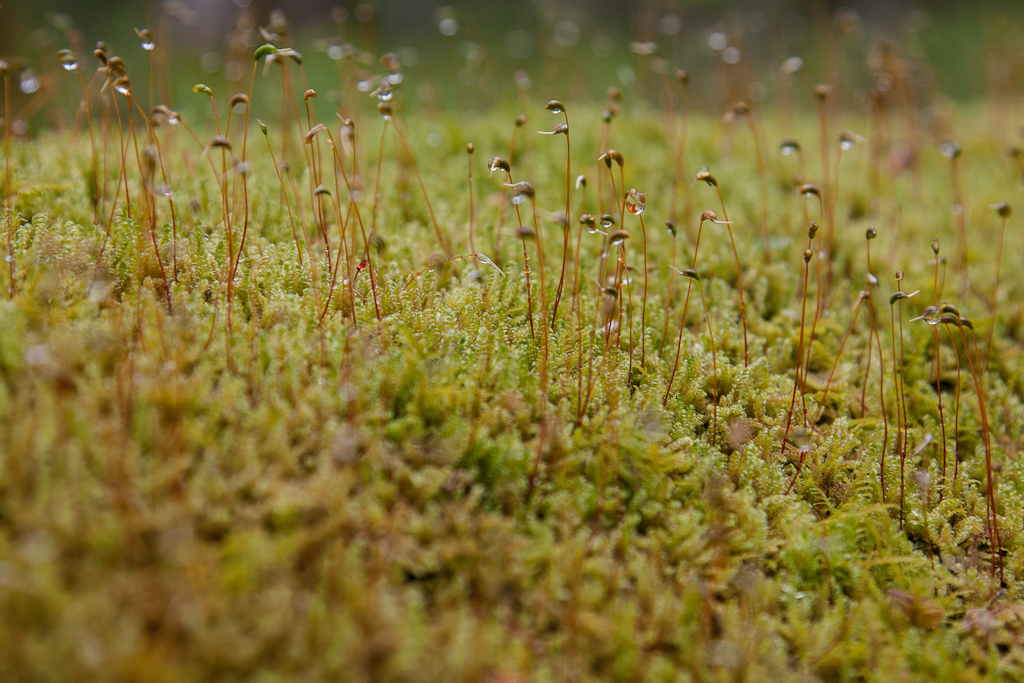
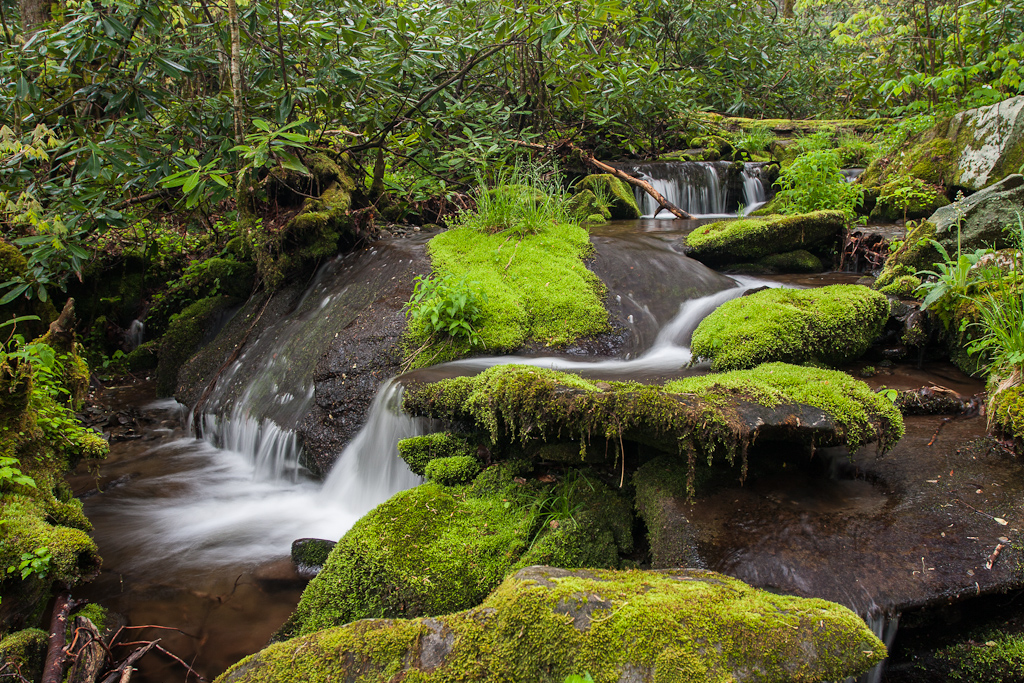
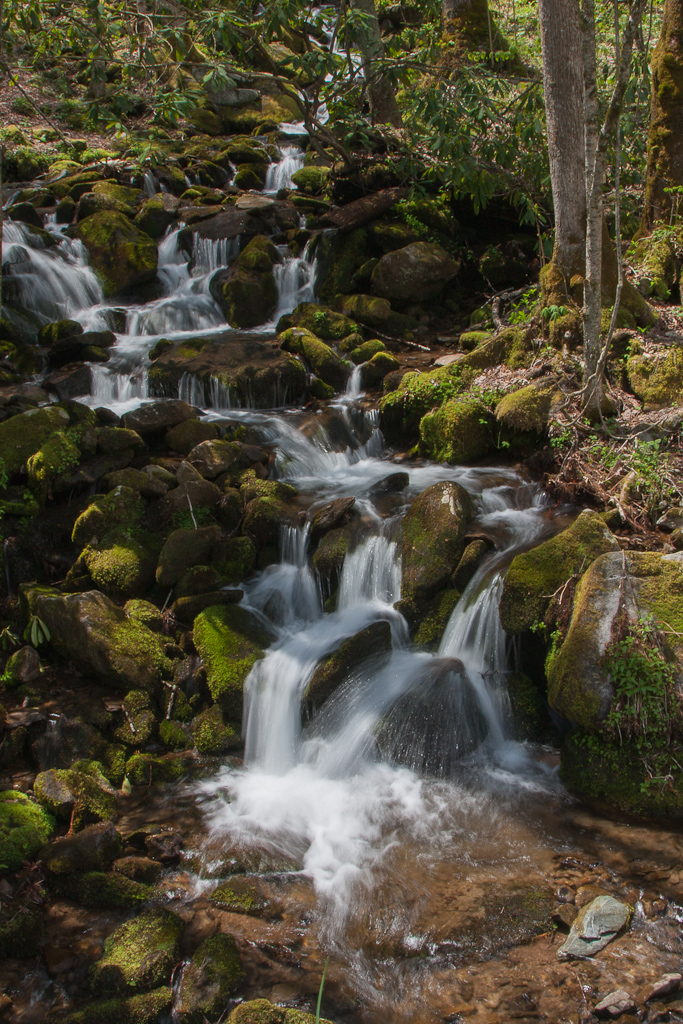
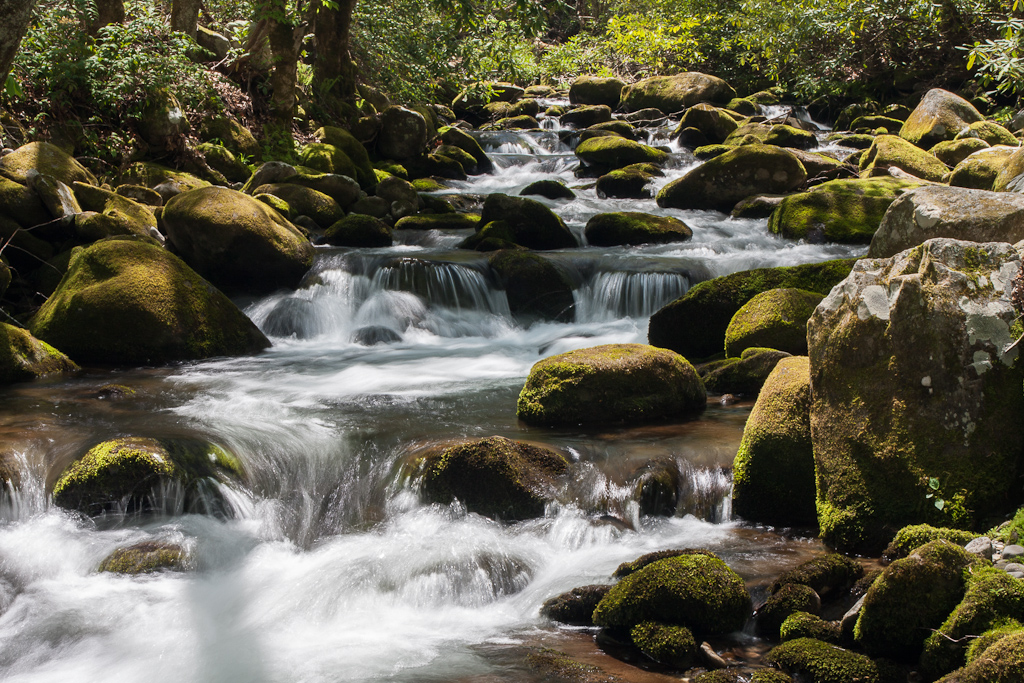
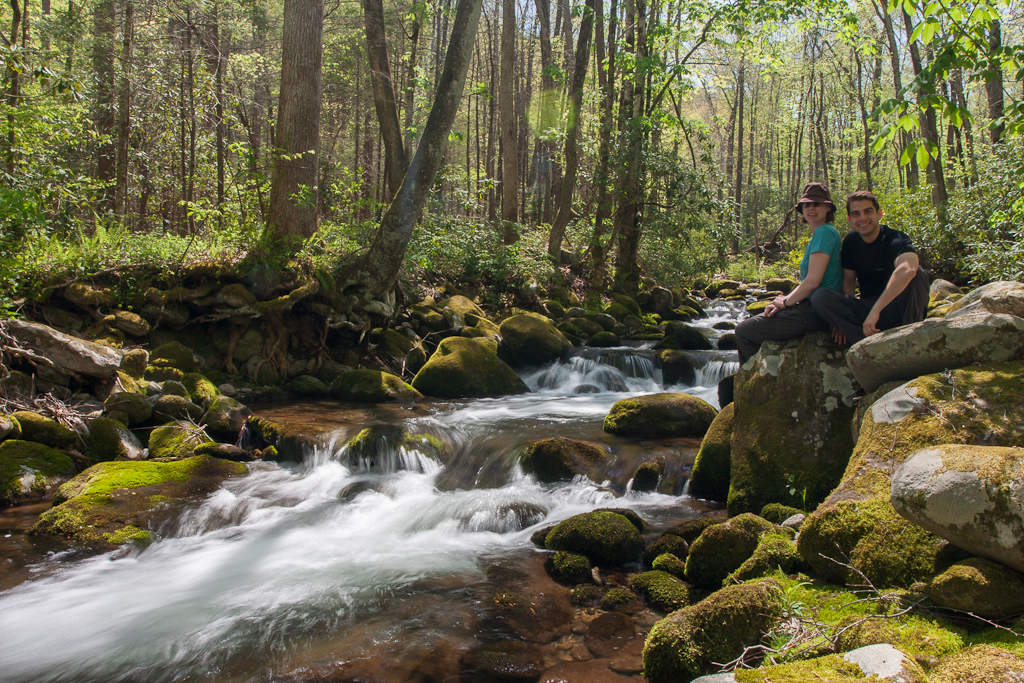
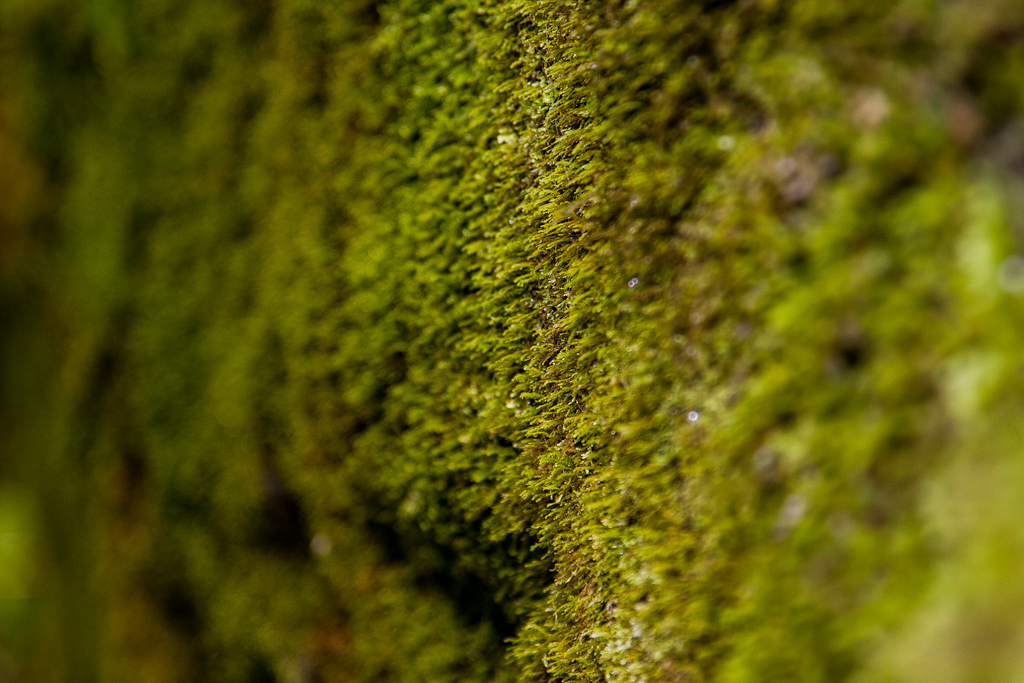
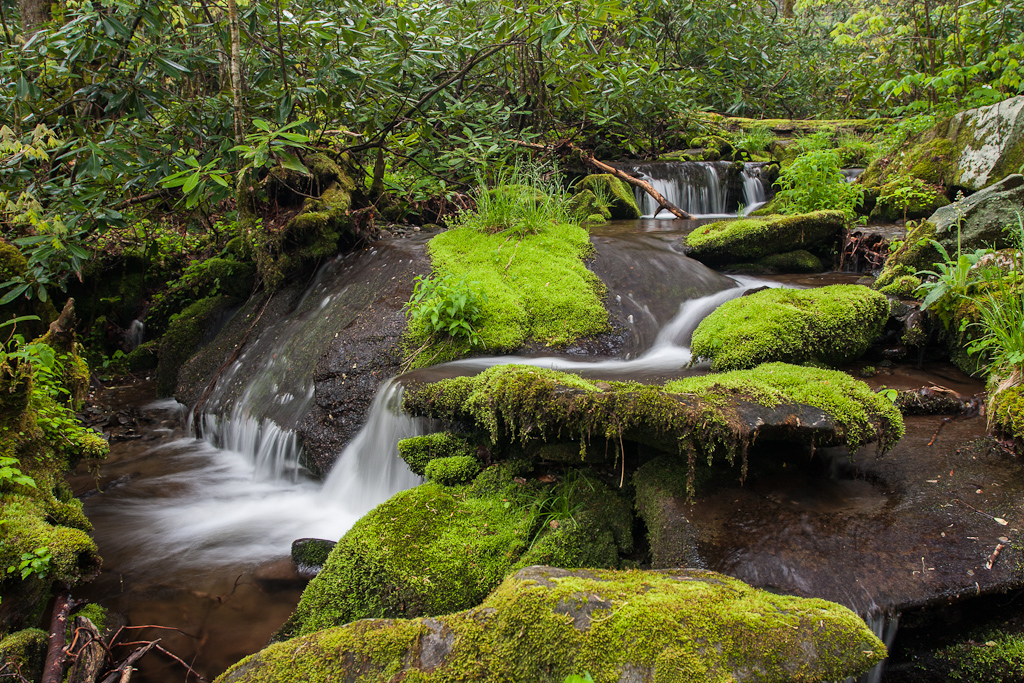
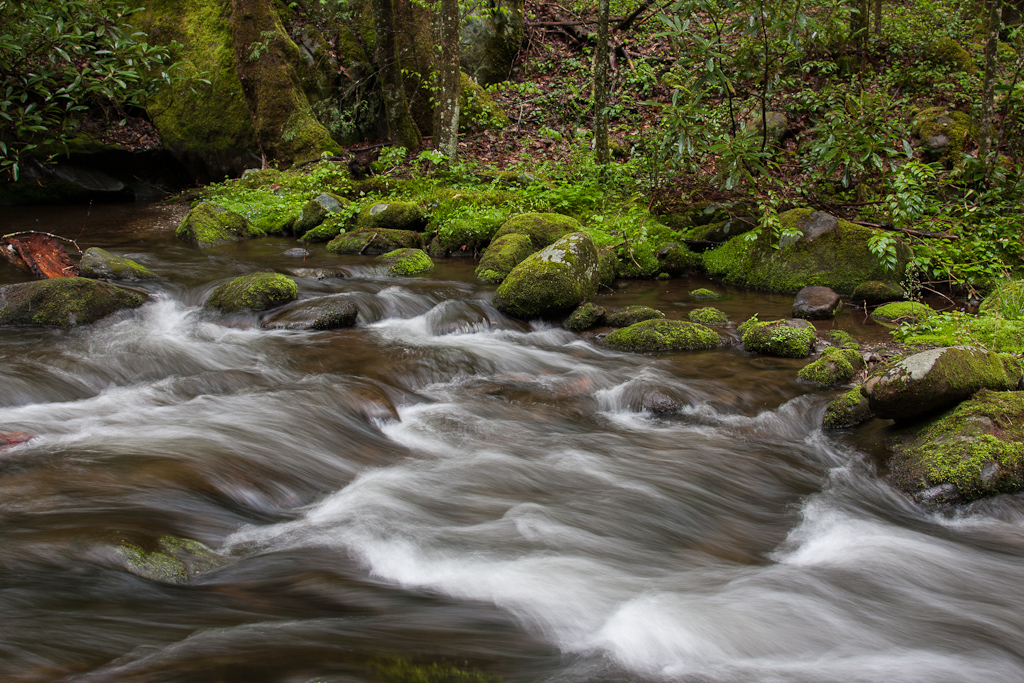
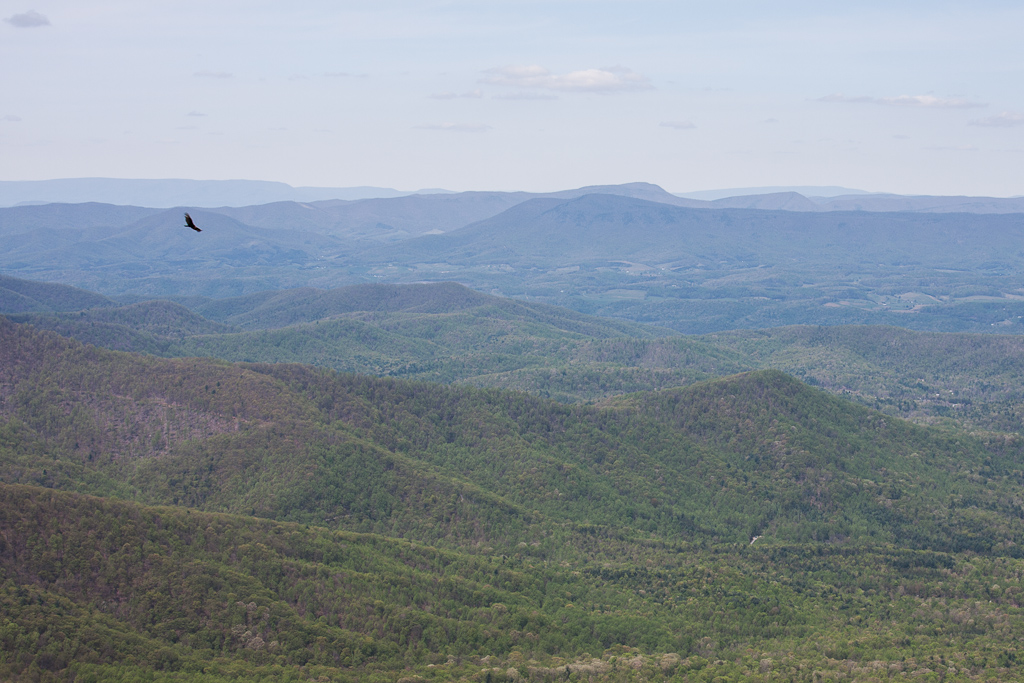
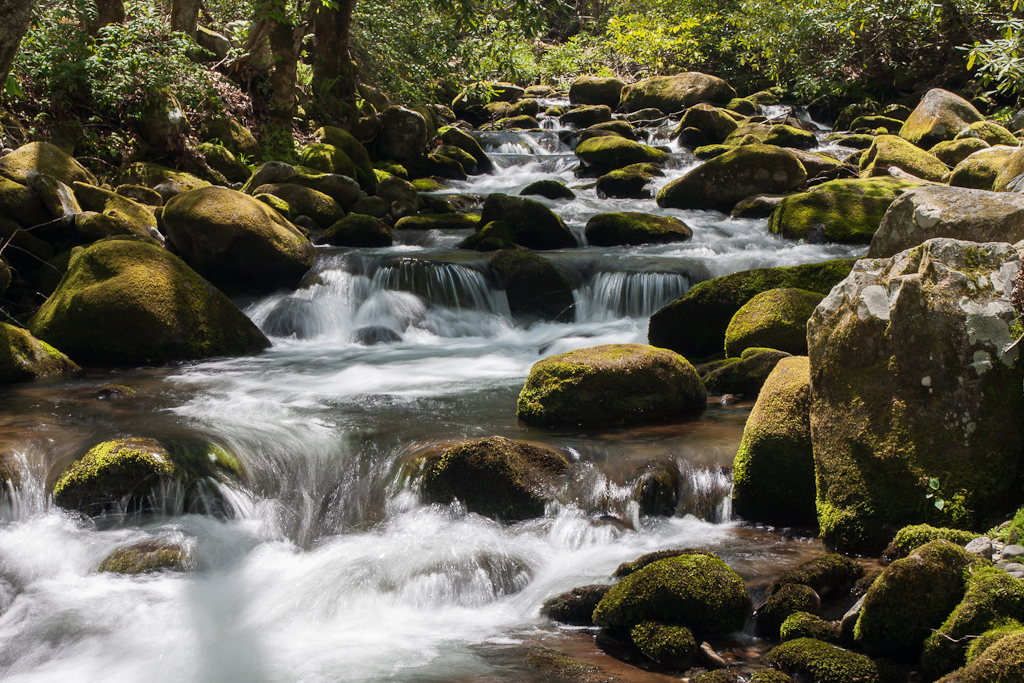
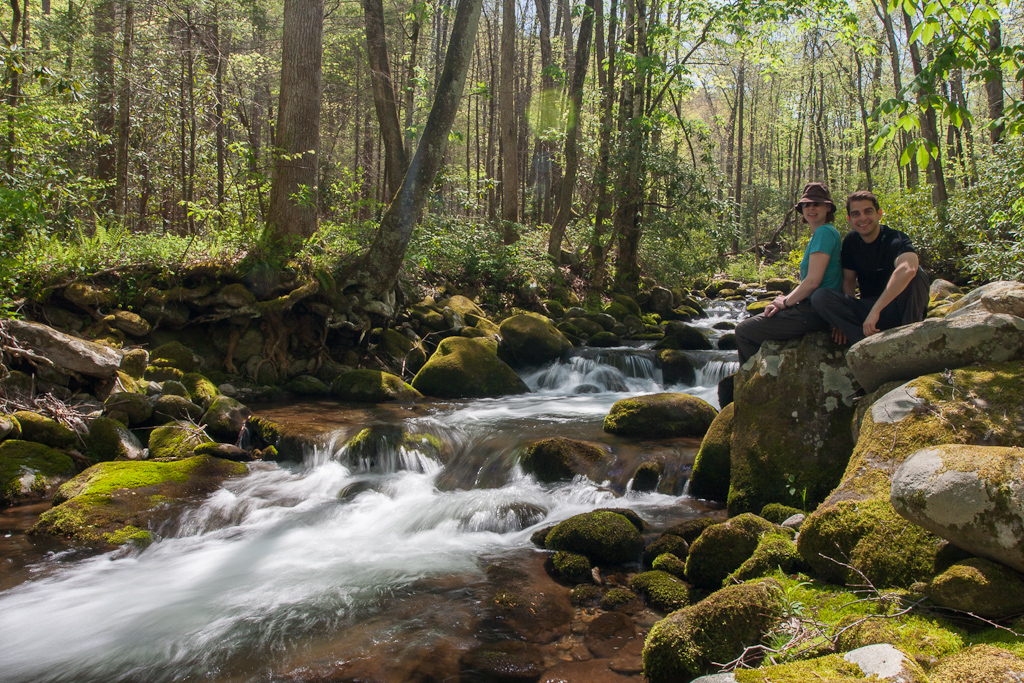
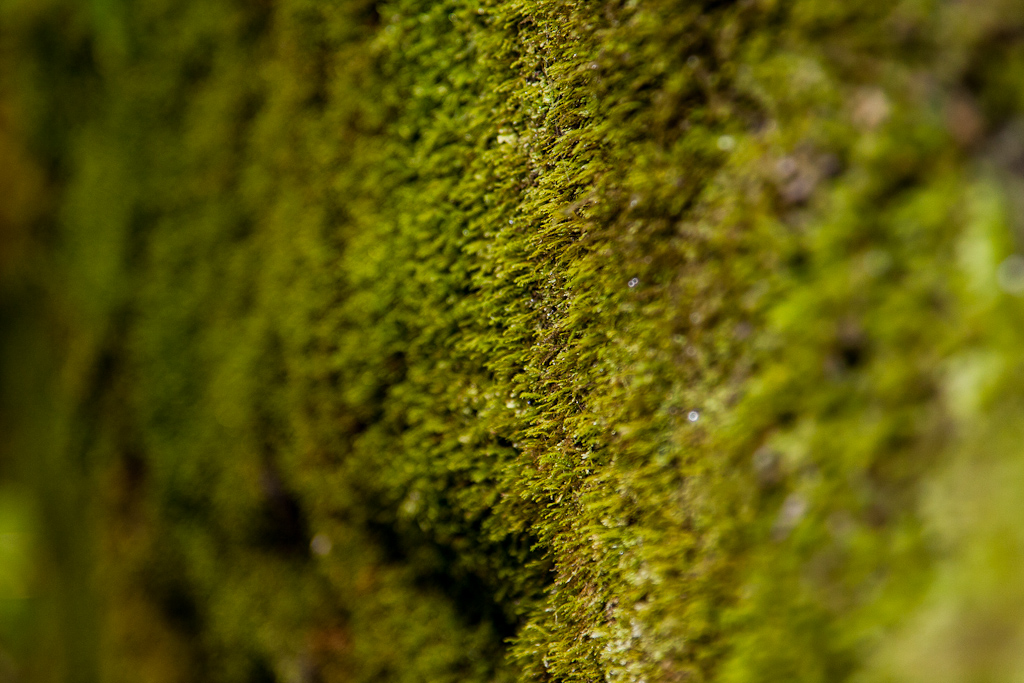
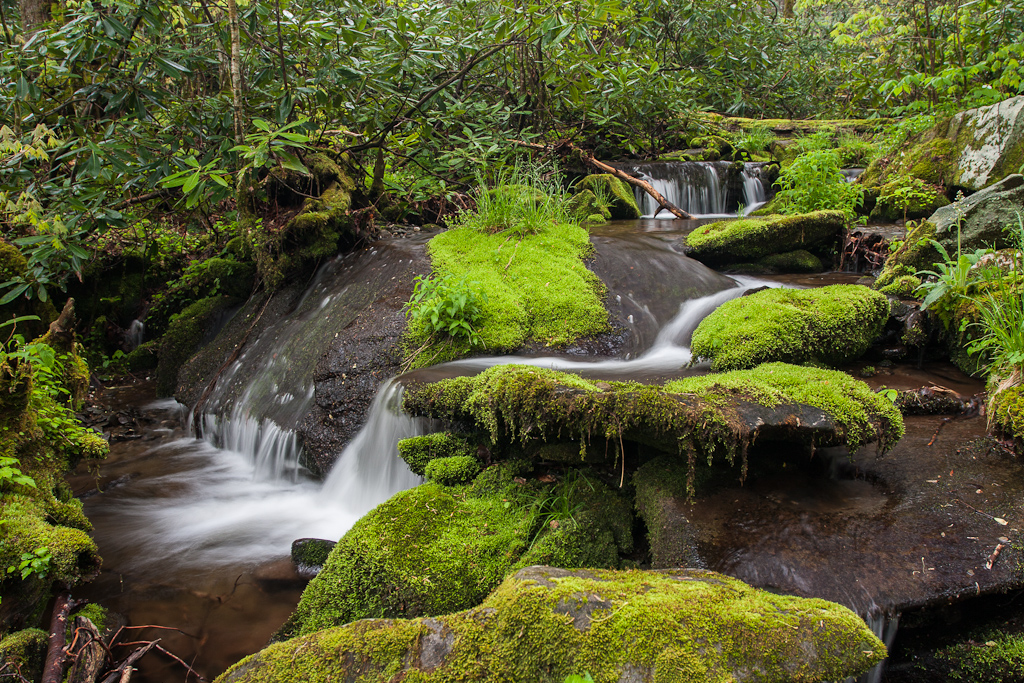
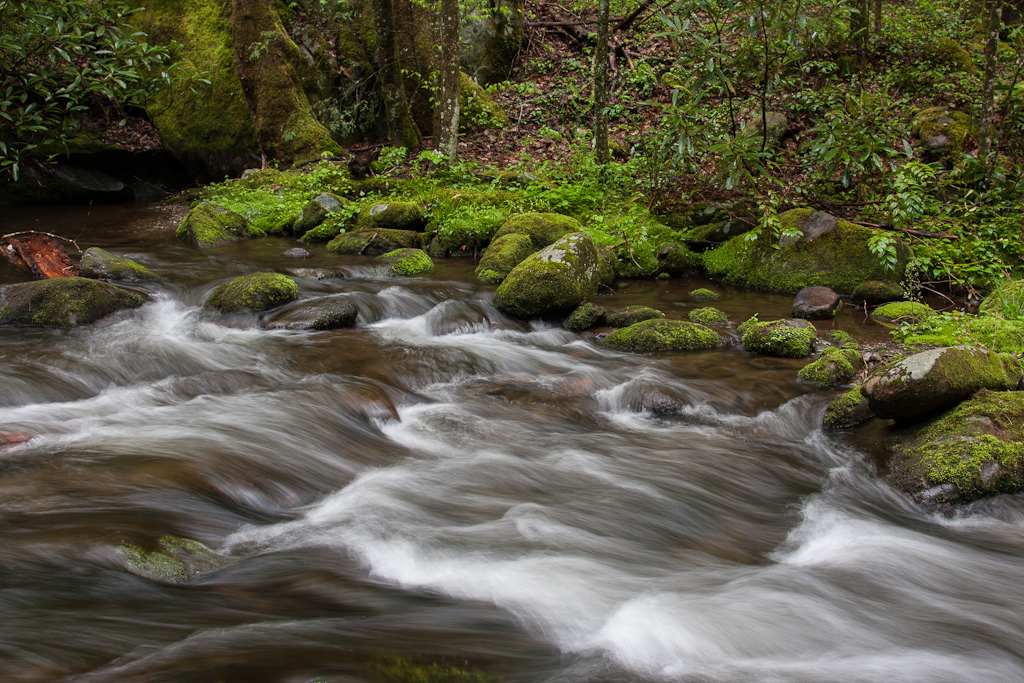
The best shots of the mountains can be had along 441 towards New Found Gap which is the highest area of the park accessible by car. As you ascend and descend you'll find a number of turnouts for you and your tripod. In the middle elevation areas are the big rivers. The water in these is fast moving, there are boulders throughout, and the riverbanks are mostly rocky. The lower areas of the parks are also river-filled, but they are slow moving and as such many of the rocks are covered by moss making for a postcard-like photos.
One thing I noticed was that it's not always apparent what the view will be from a turnout until you've passed it. So you can stop at each to take a quick look or make a note as you drive by and then hit the interesting ones on your next pass.
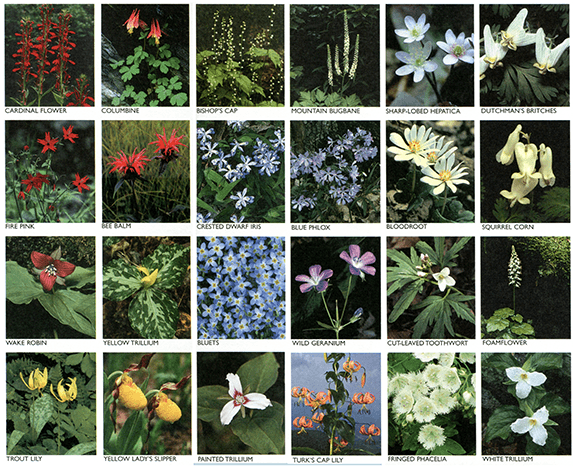
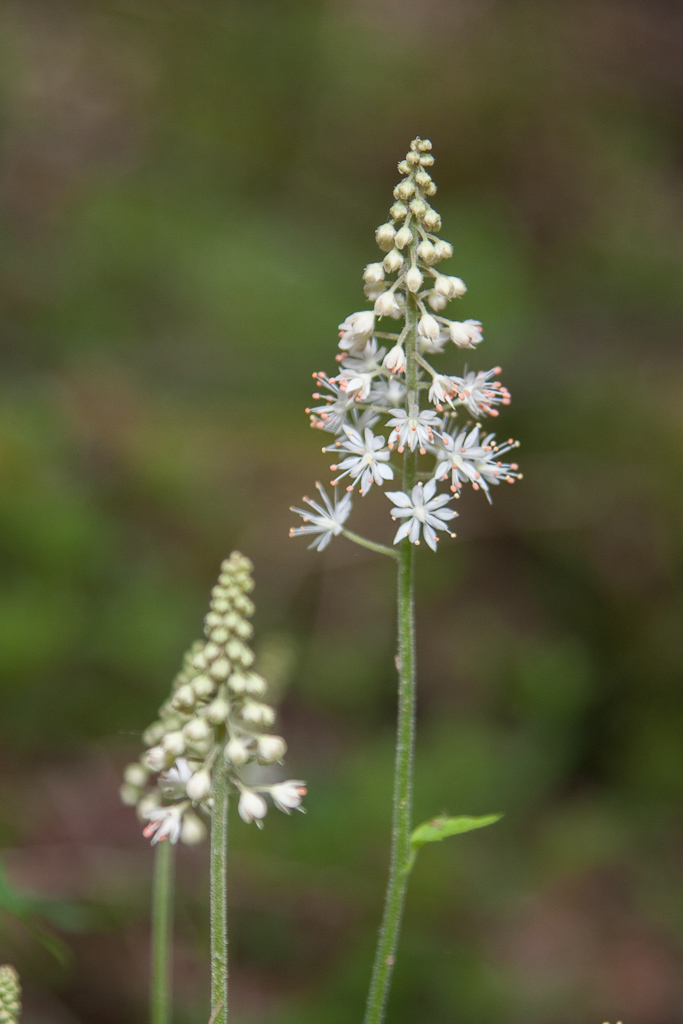
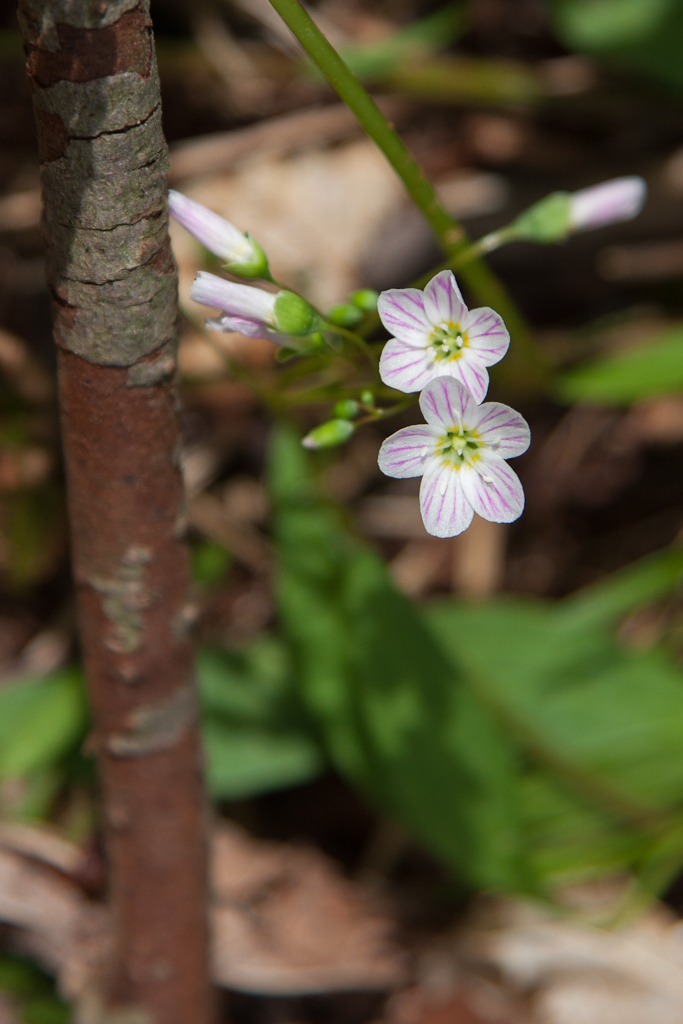
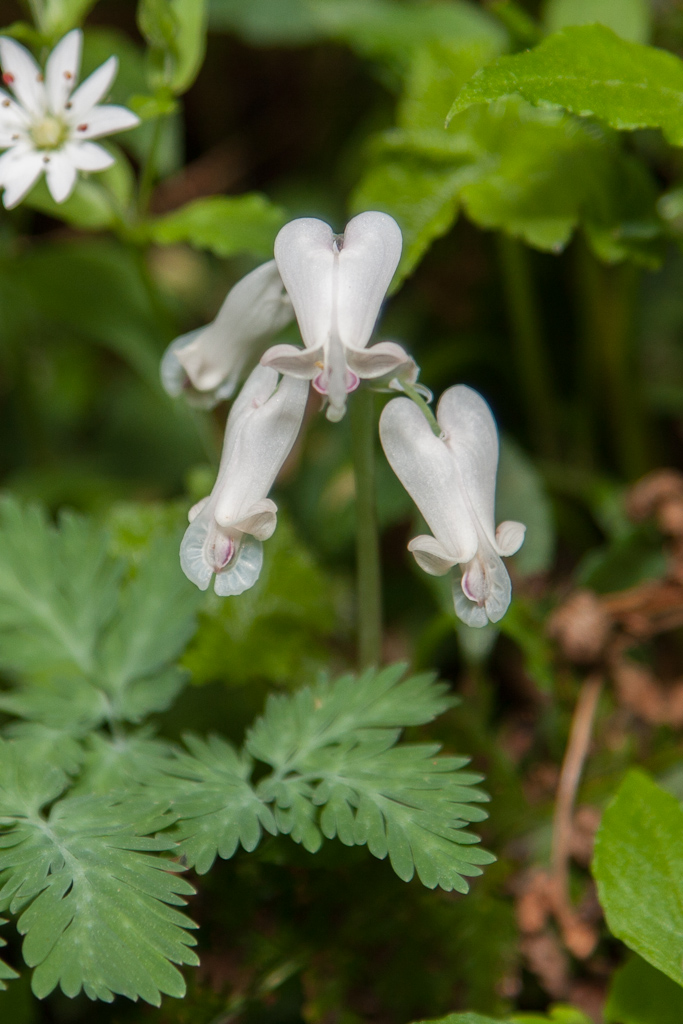
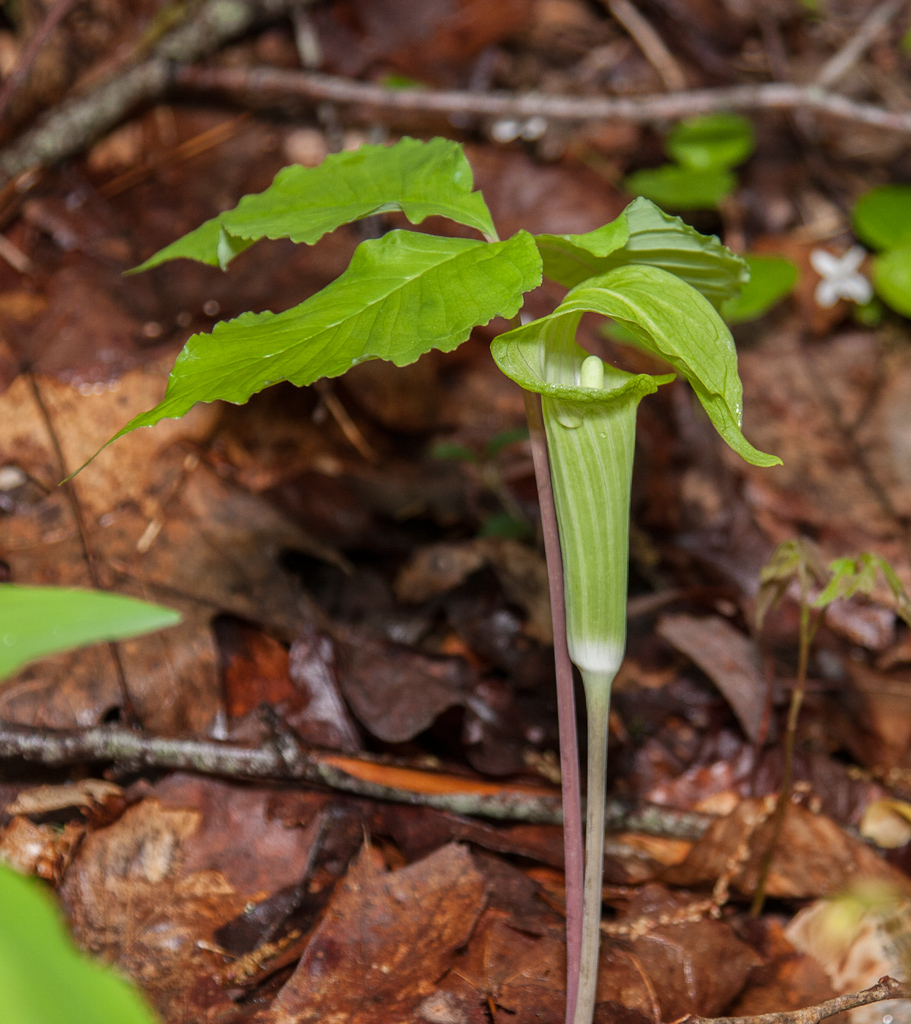
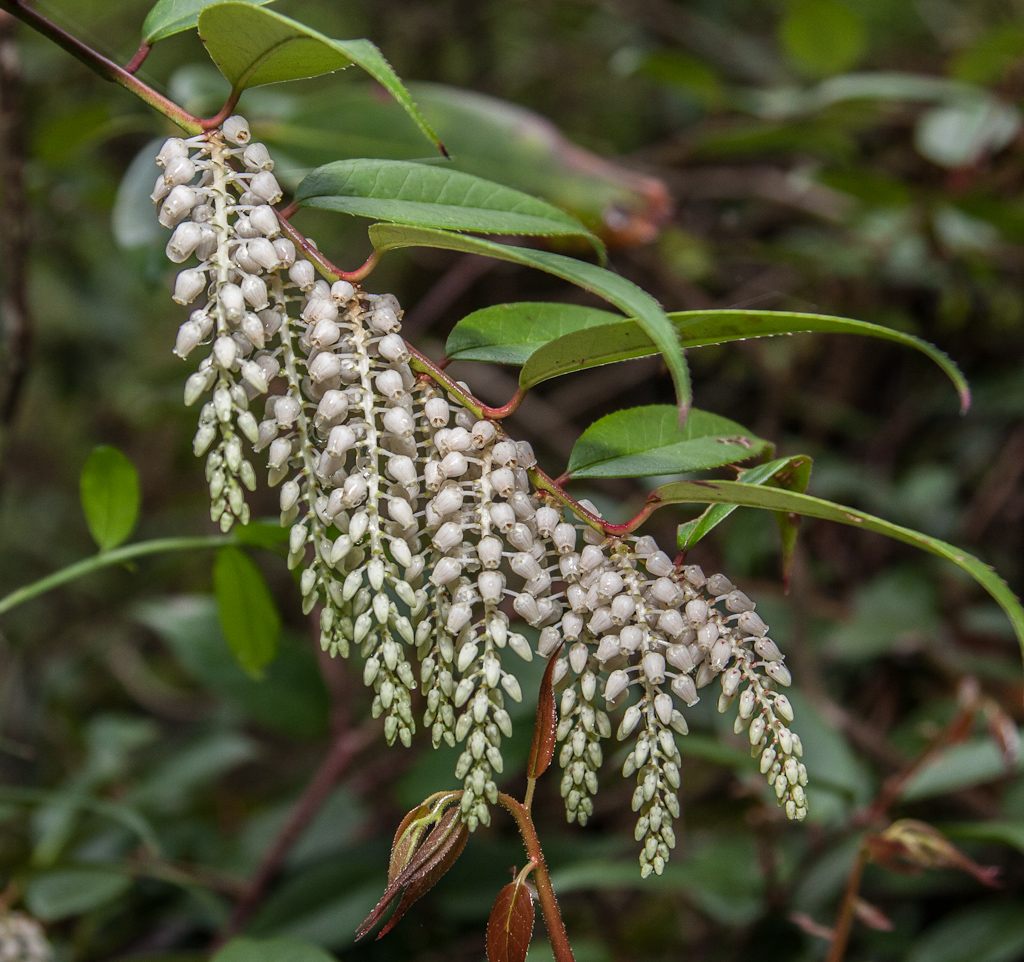
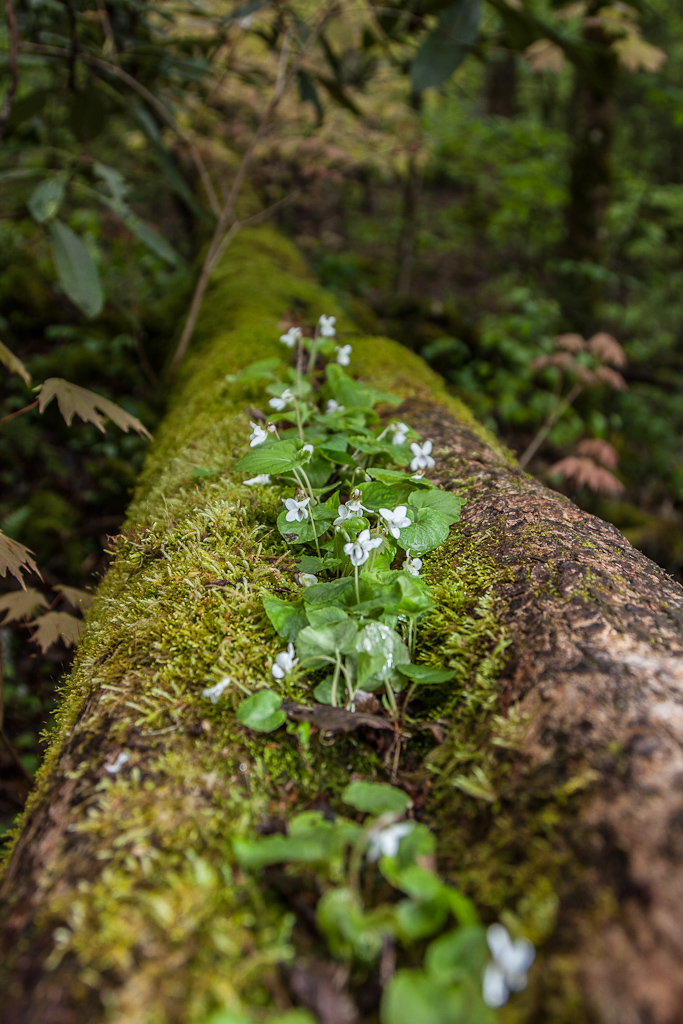
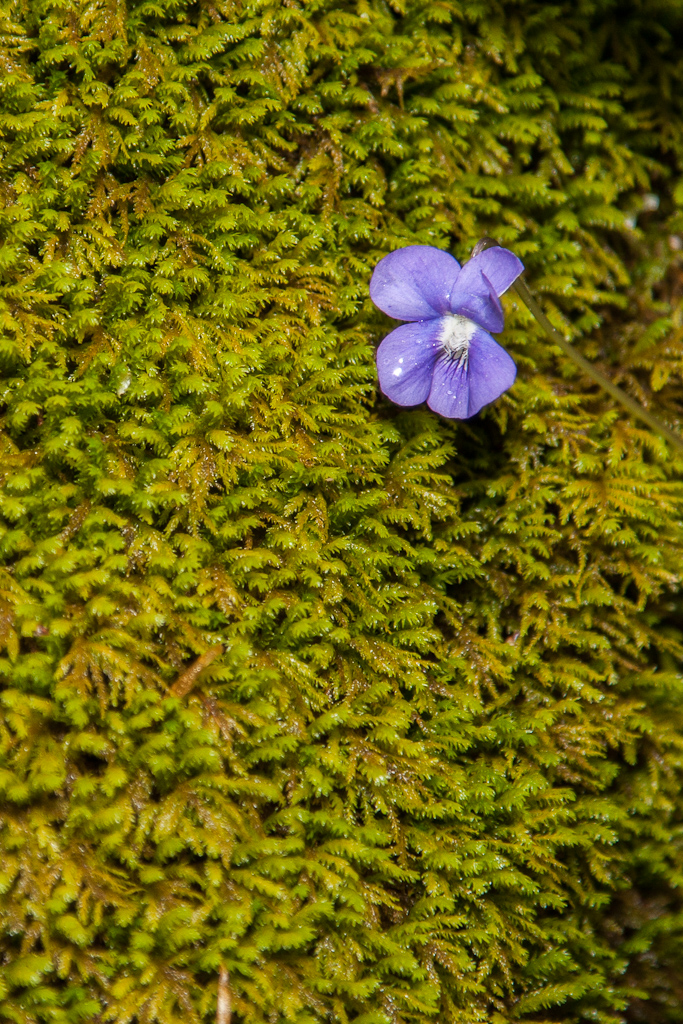
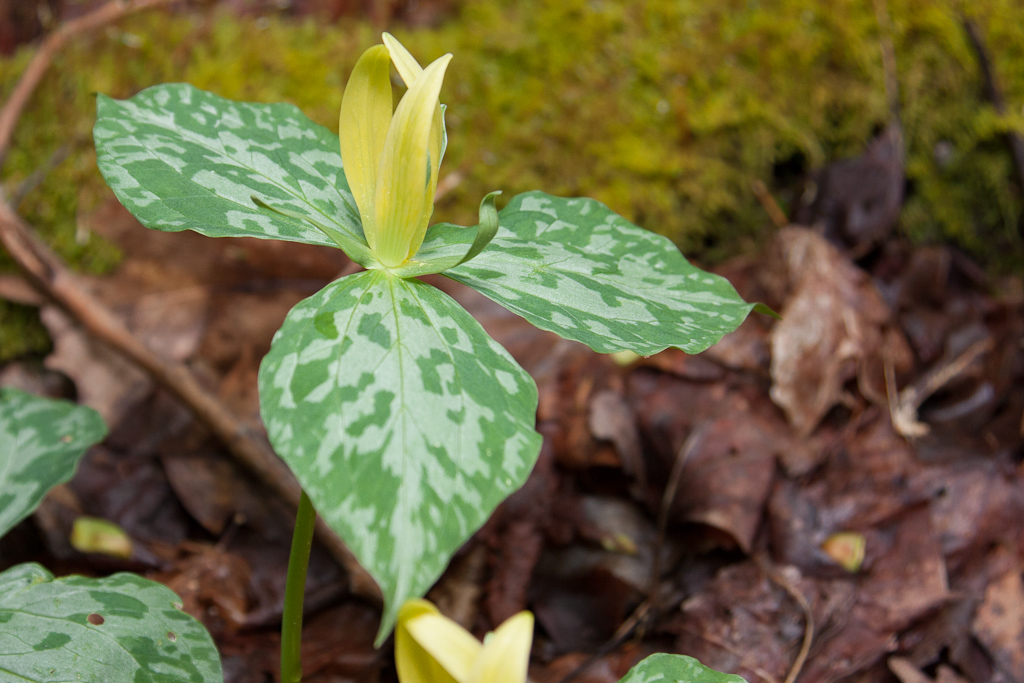
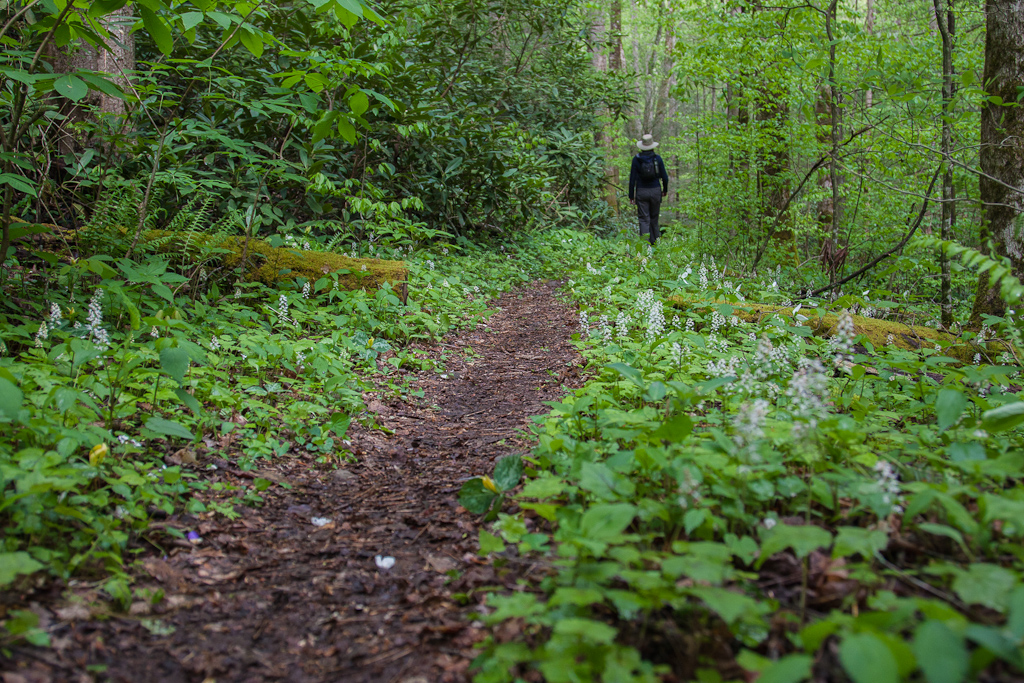
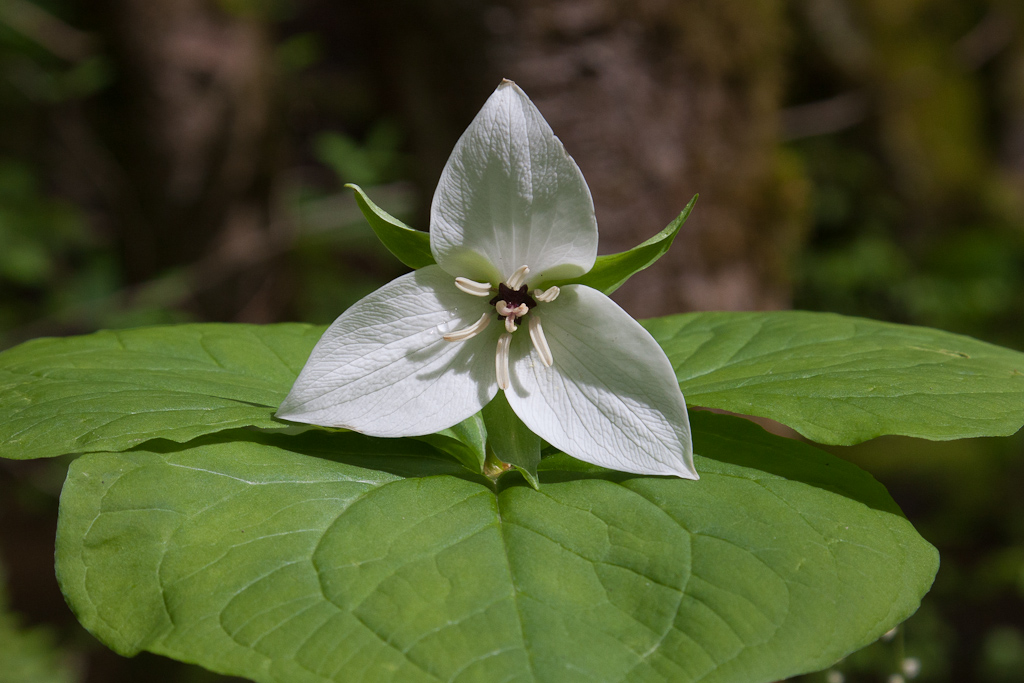
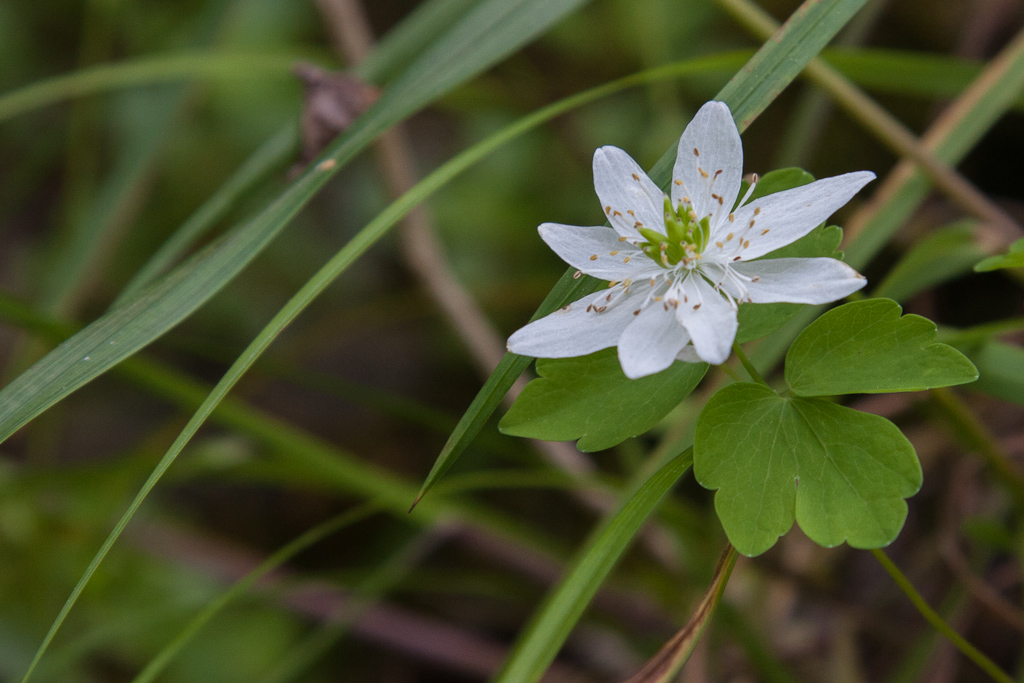
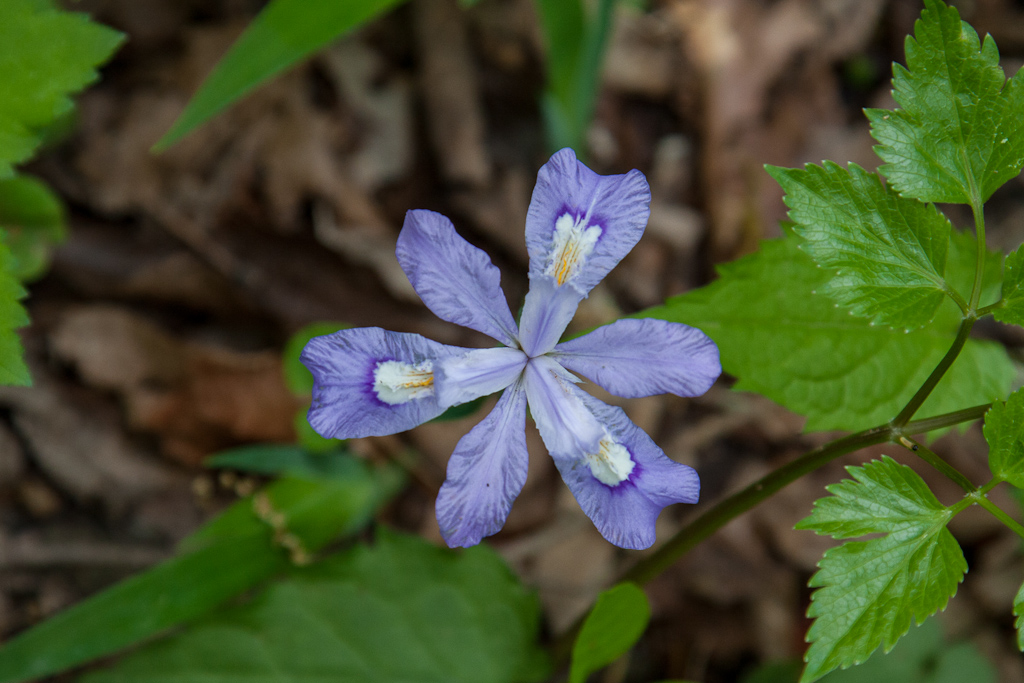
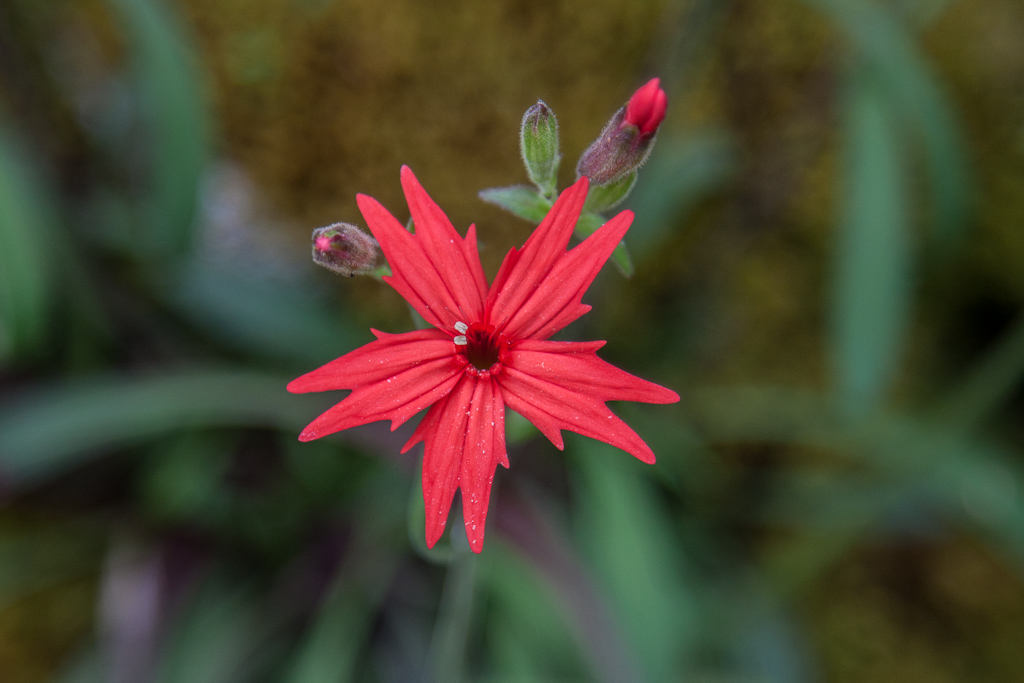
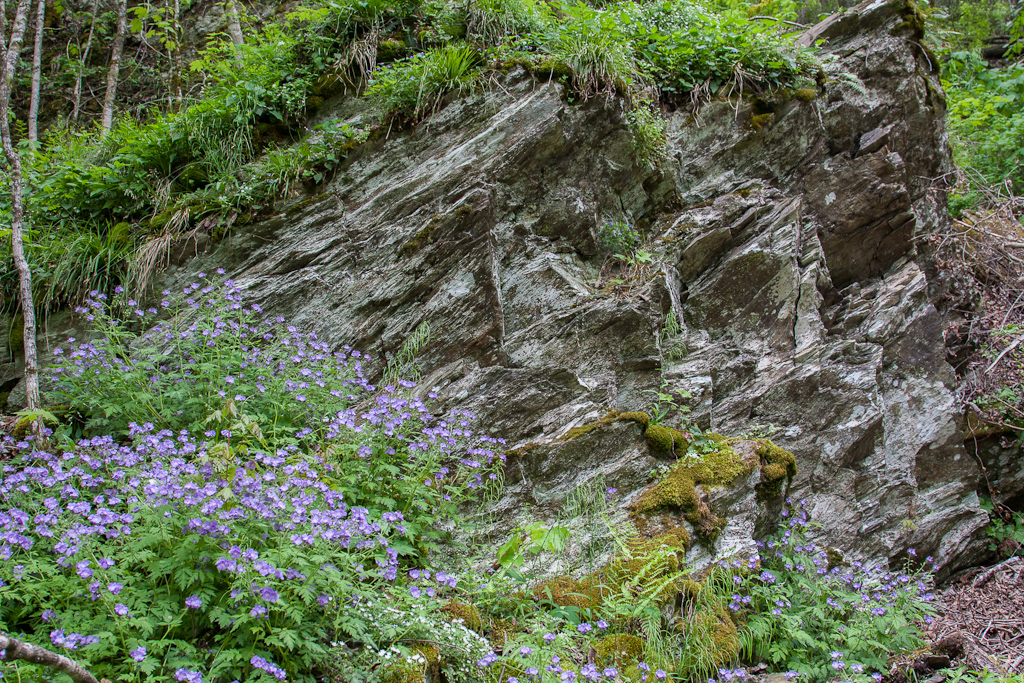
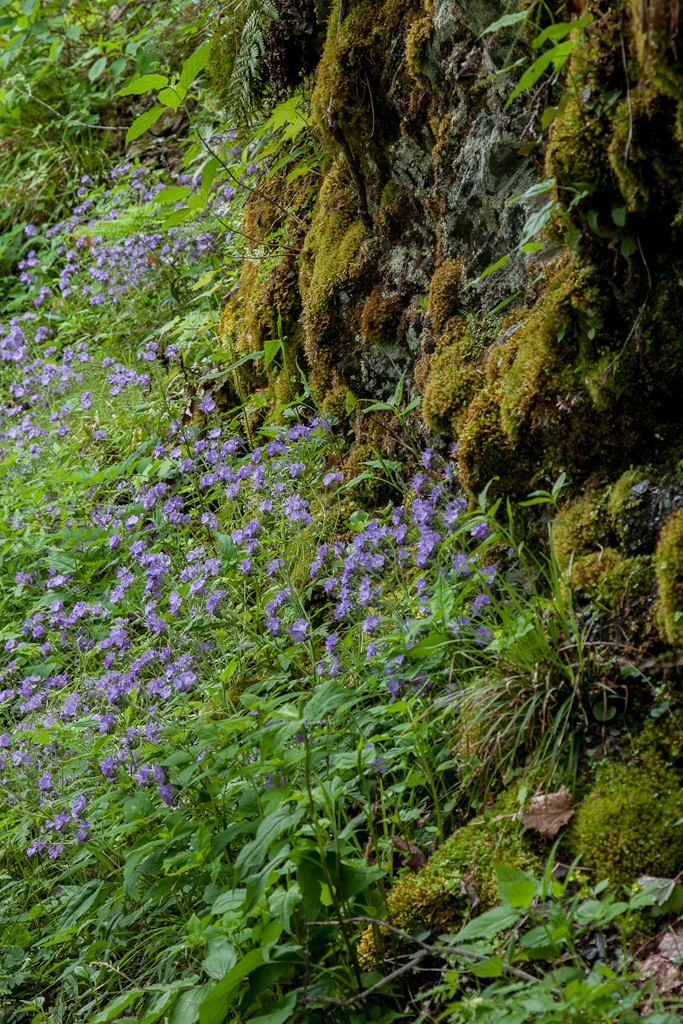
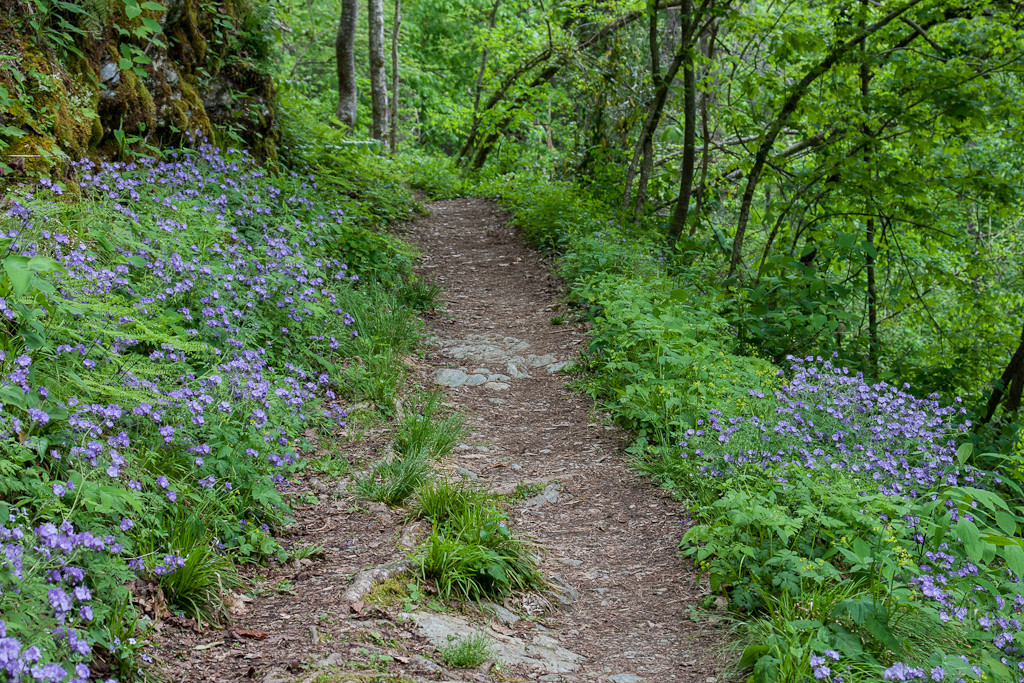
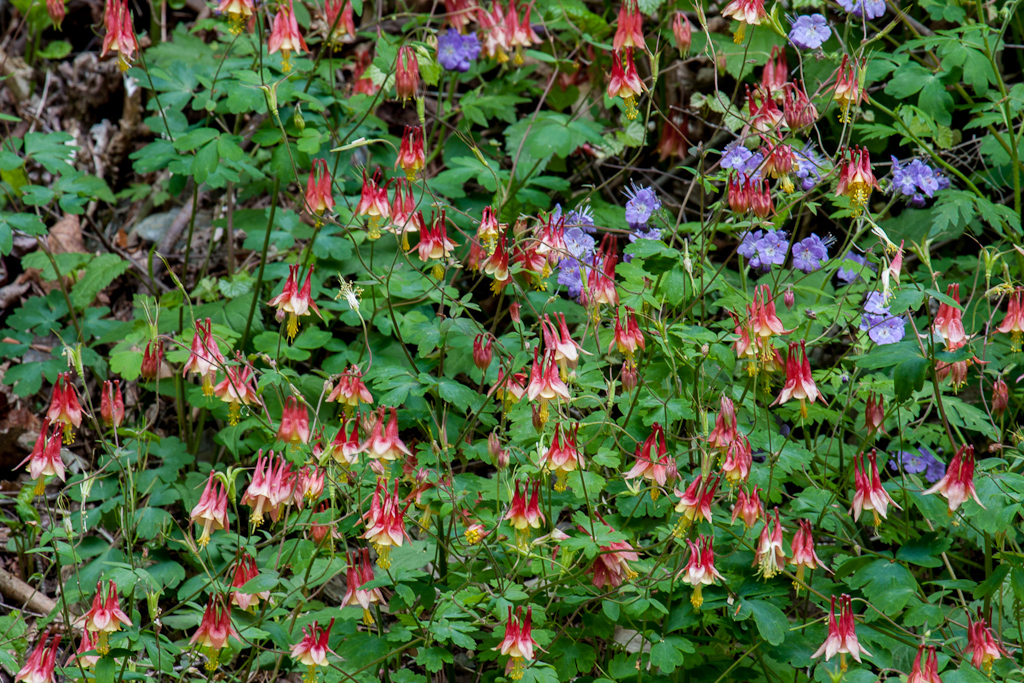
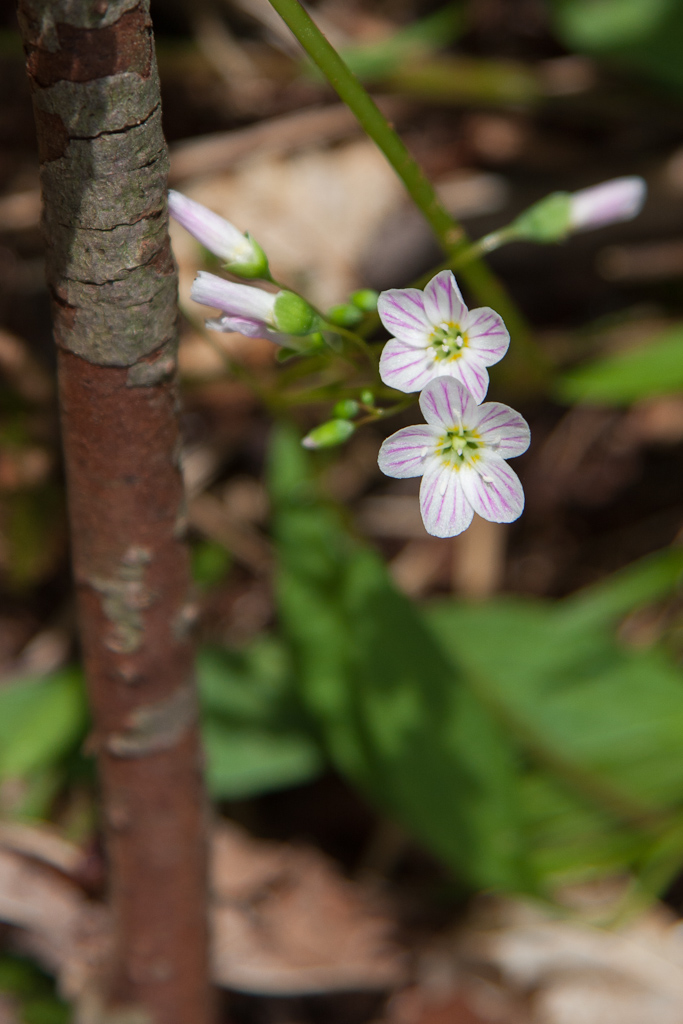
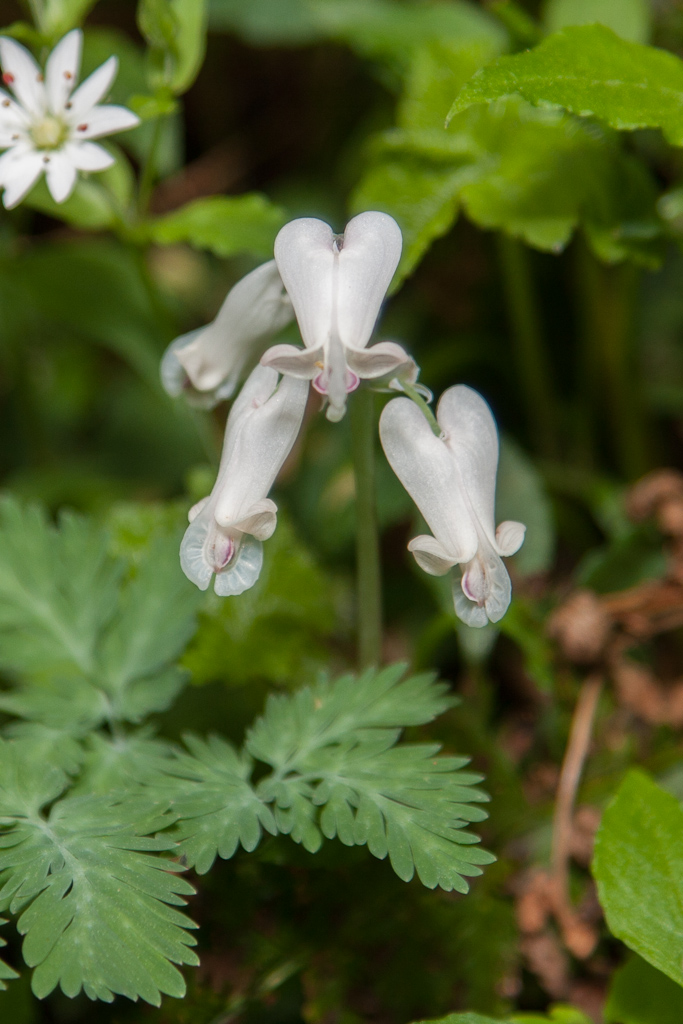
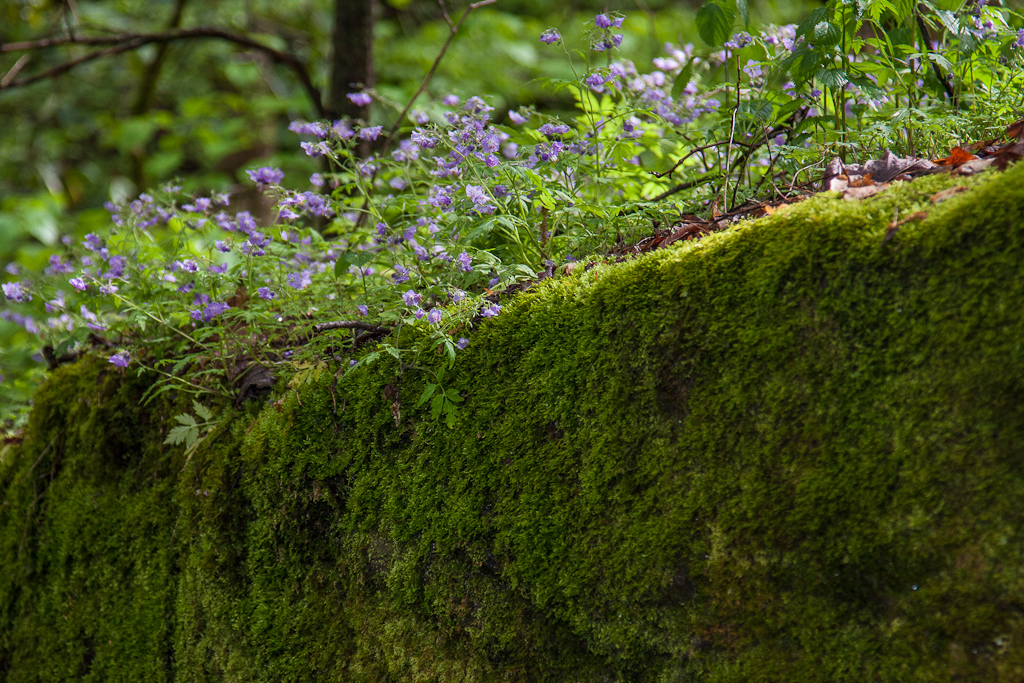
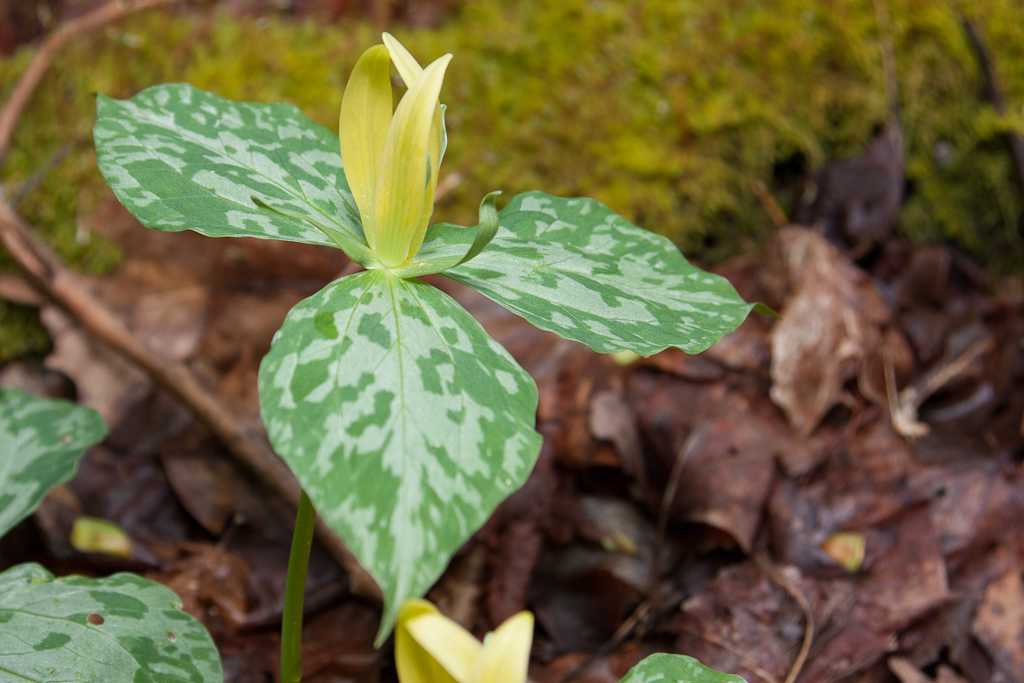
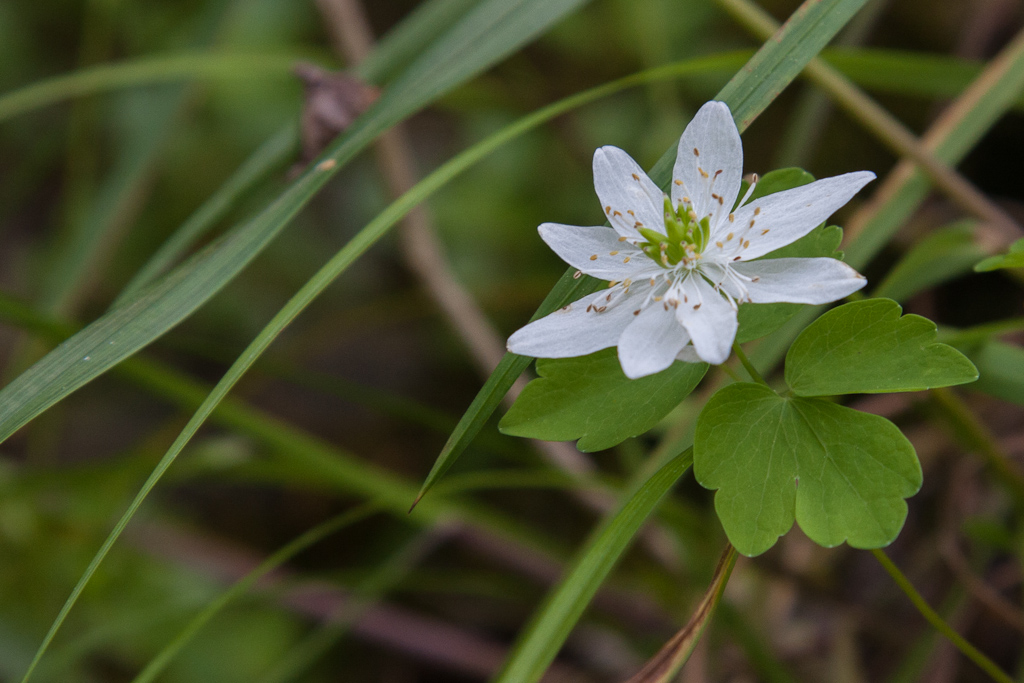
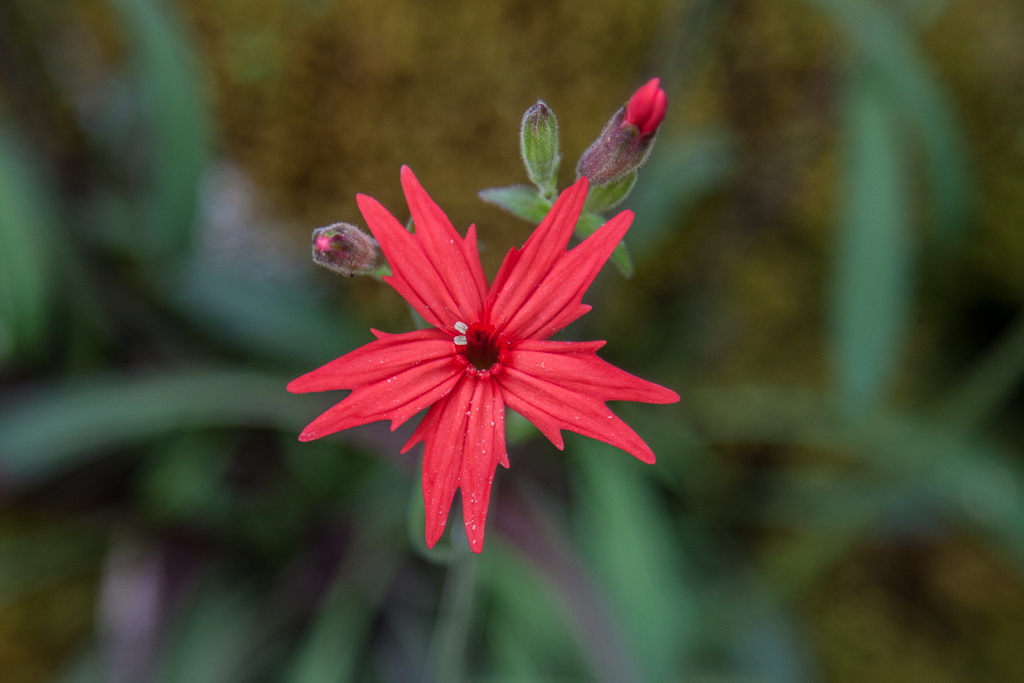
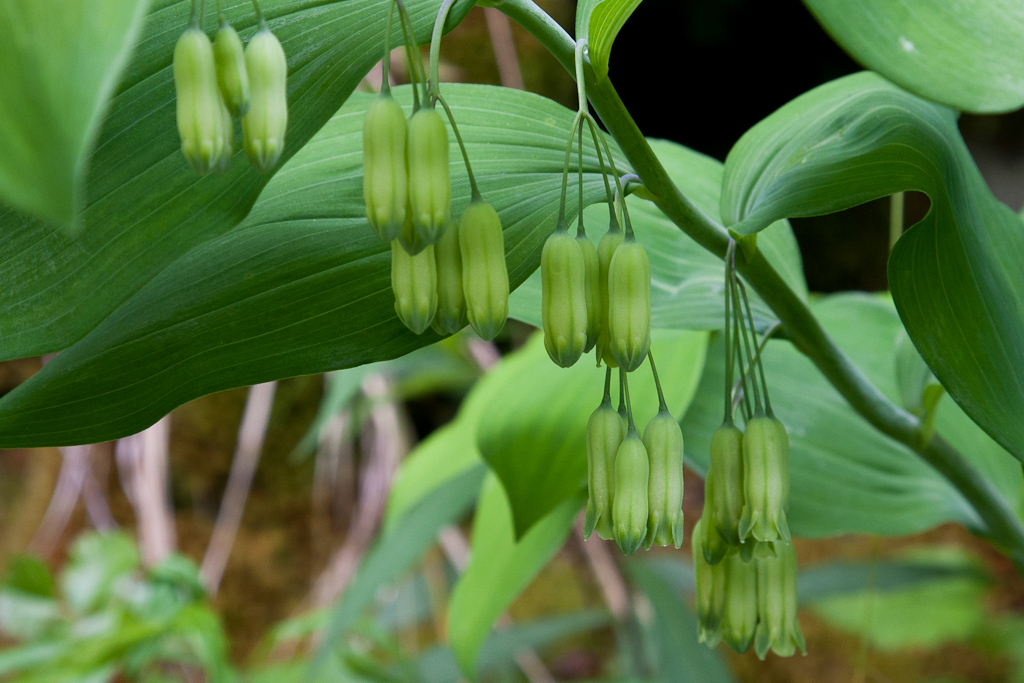
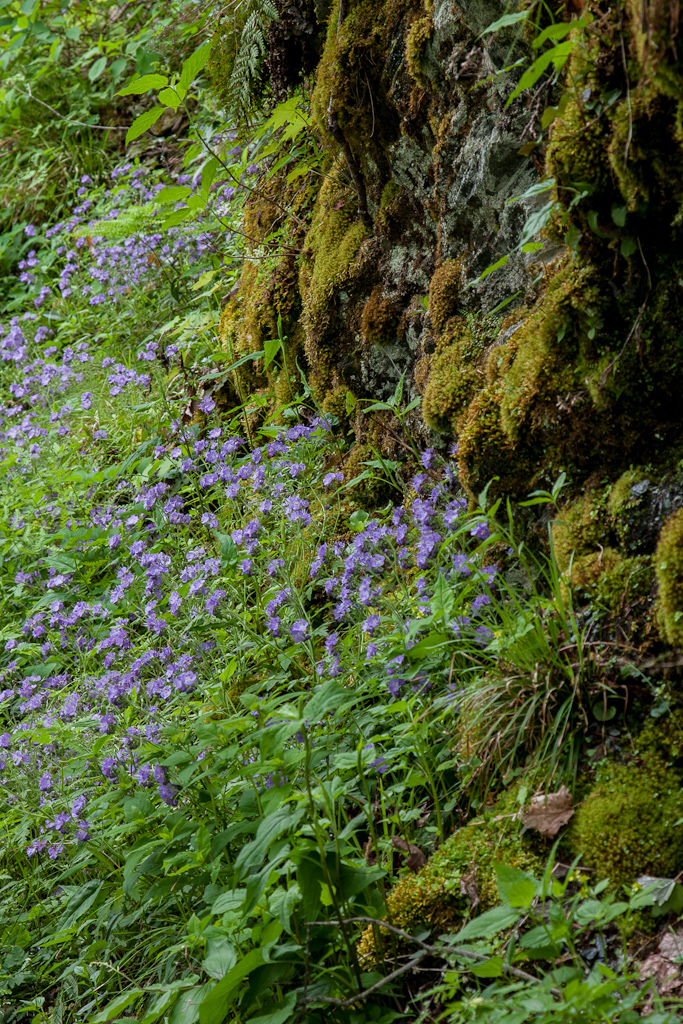
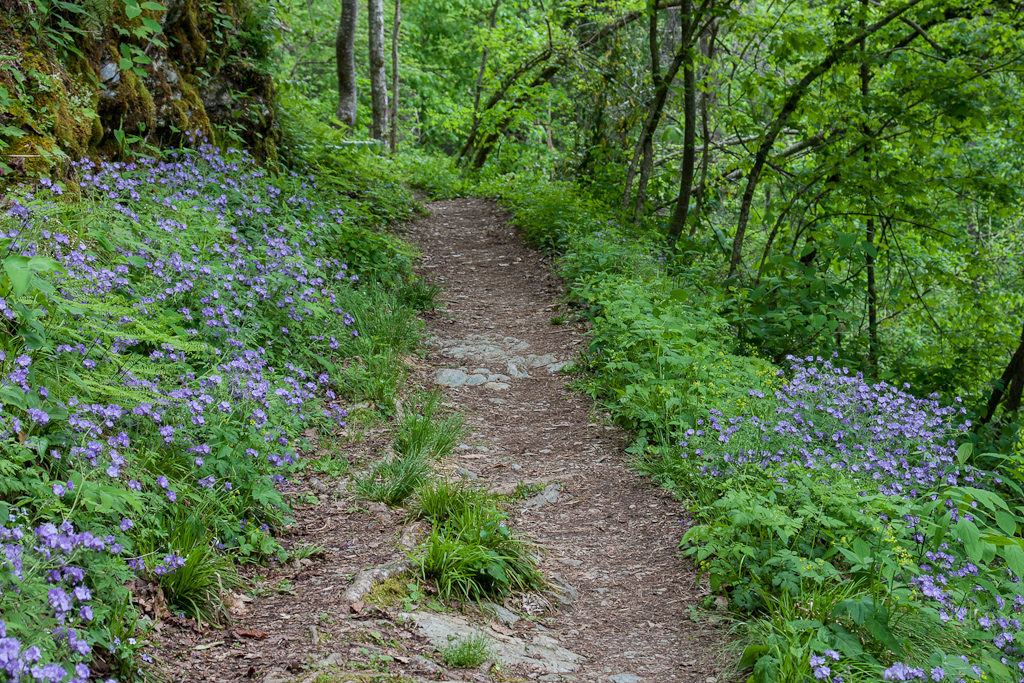
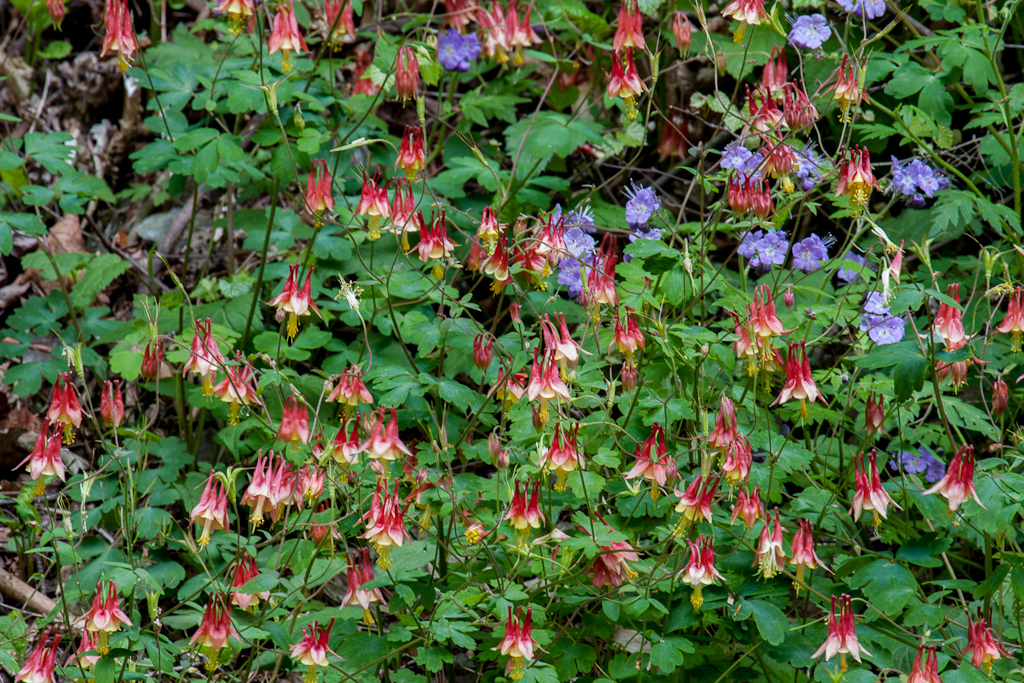
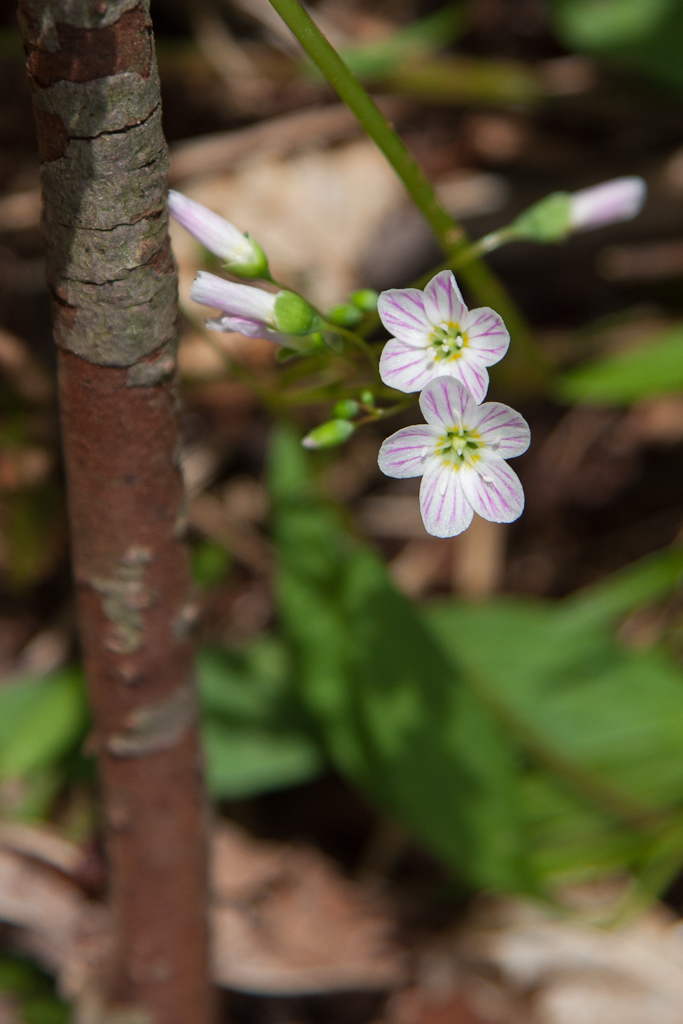
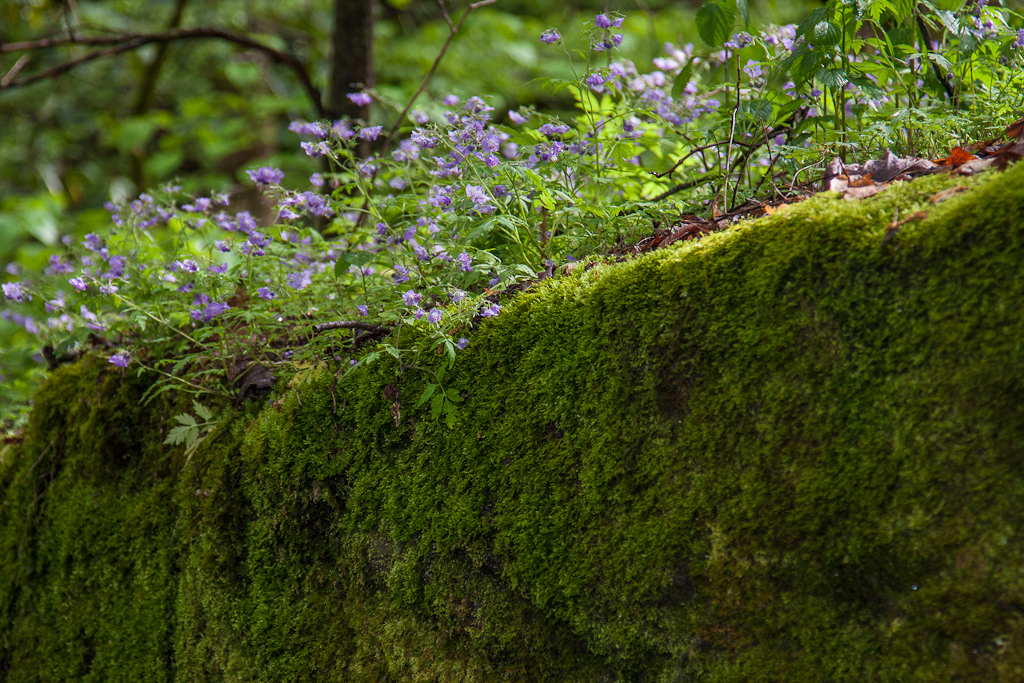
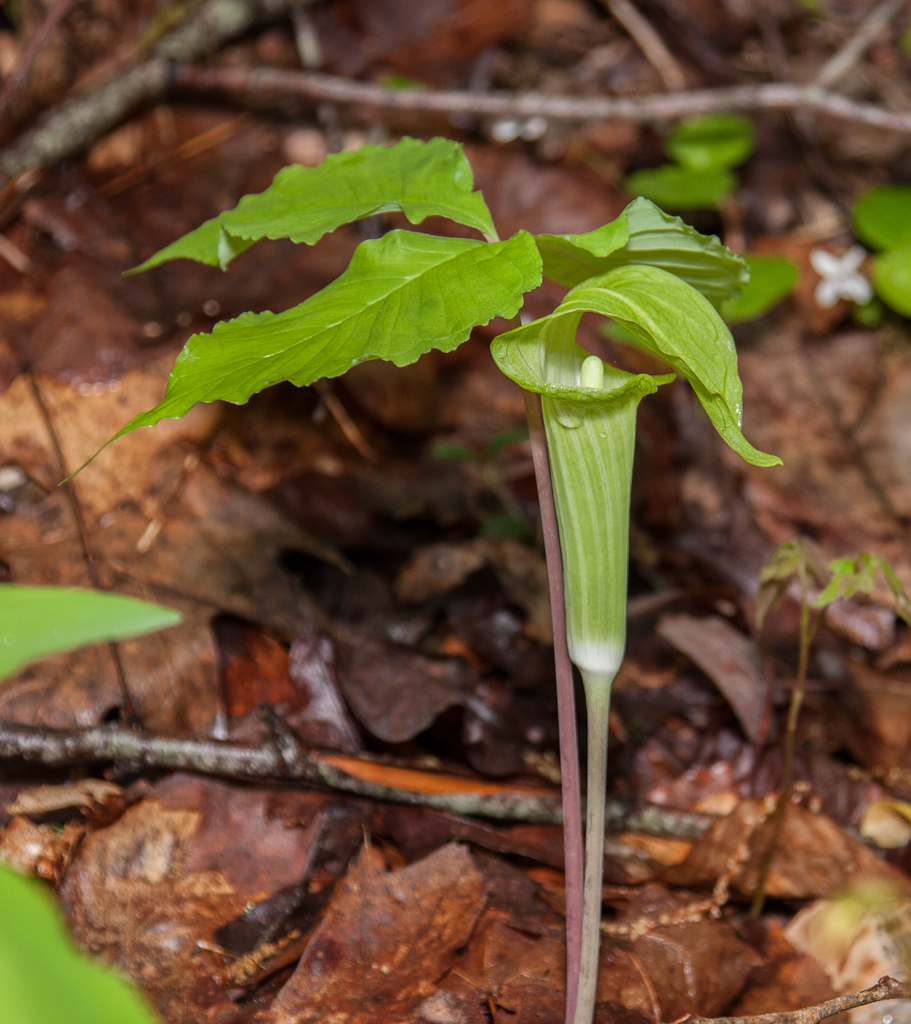
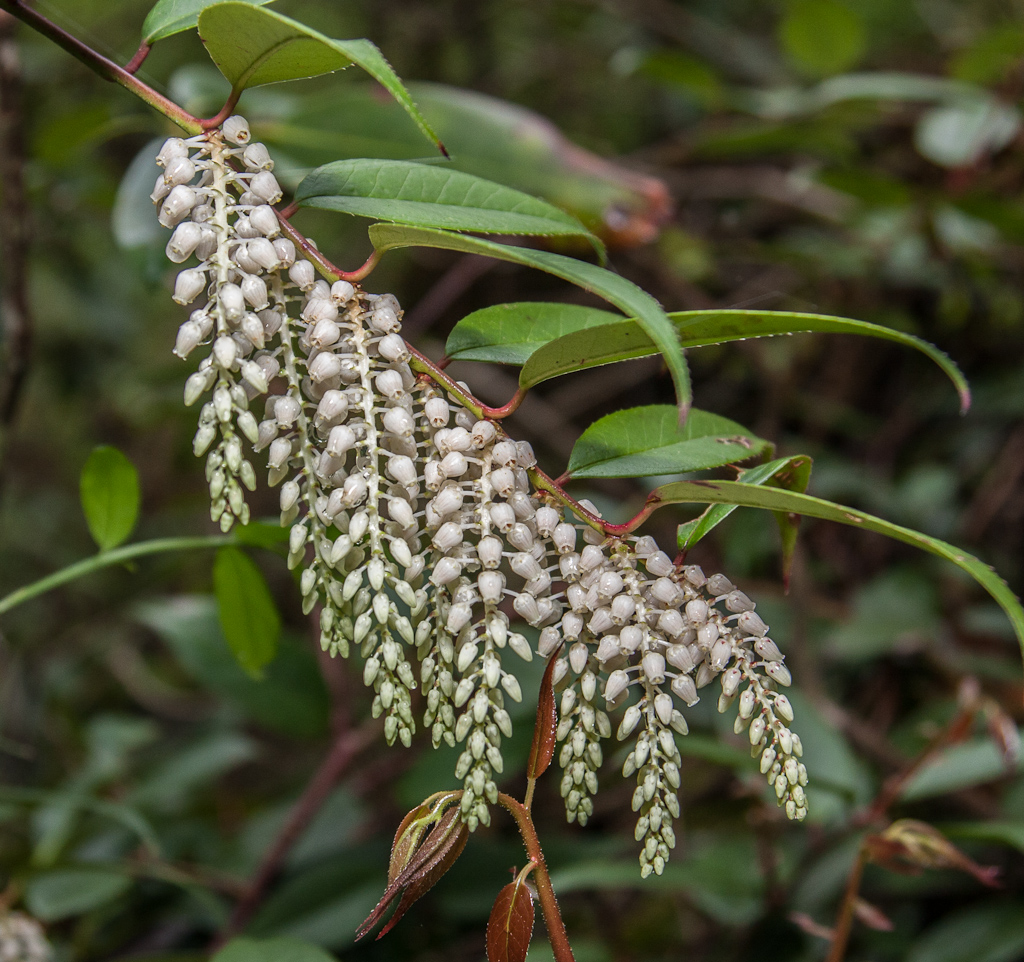
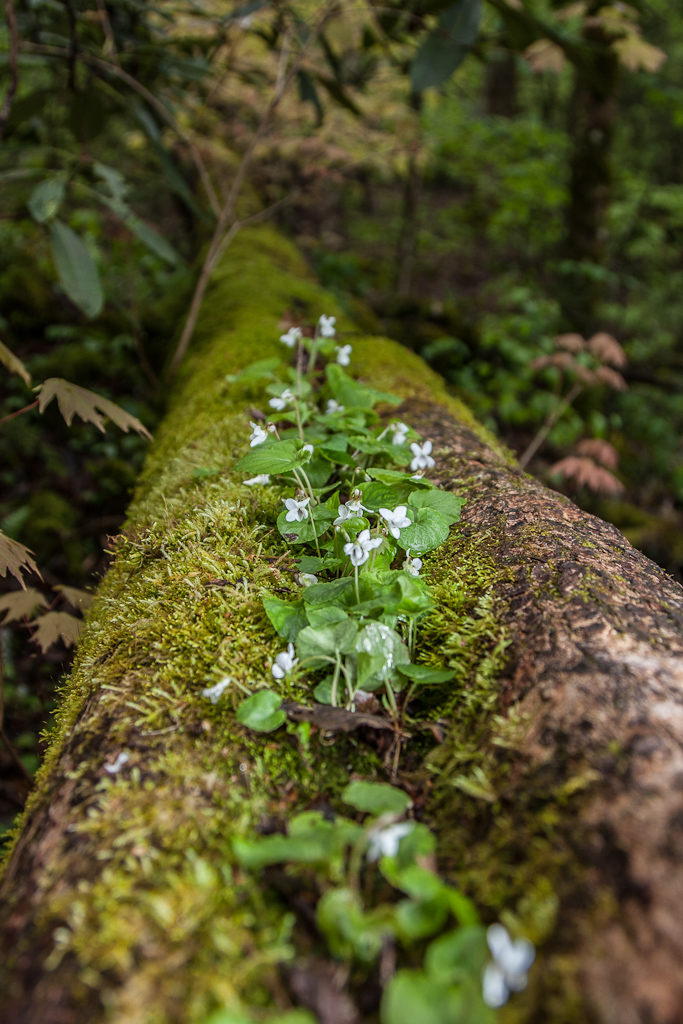
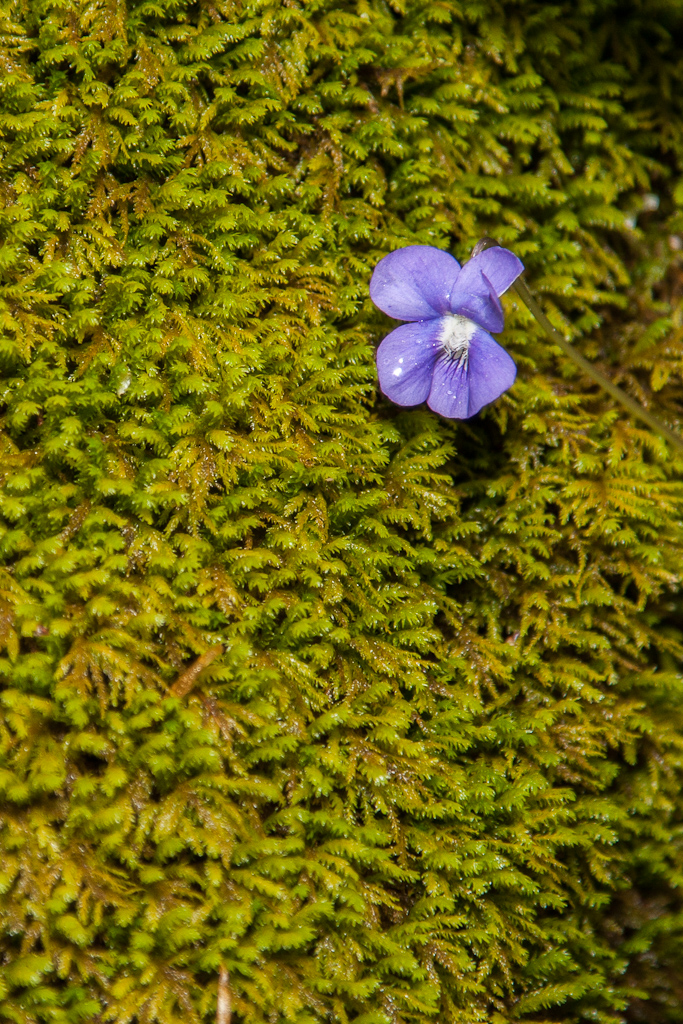
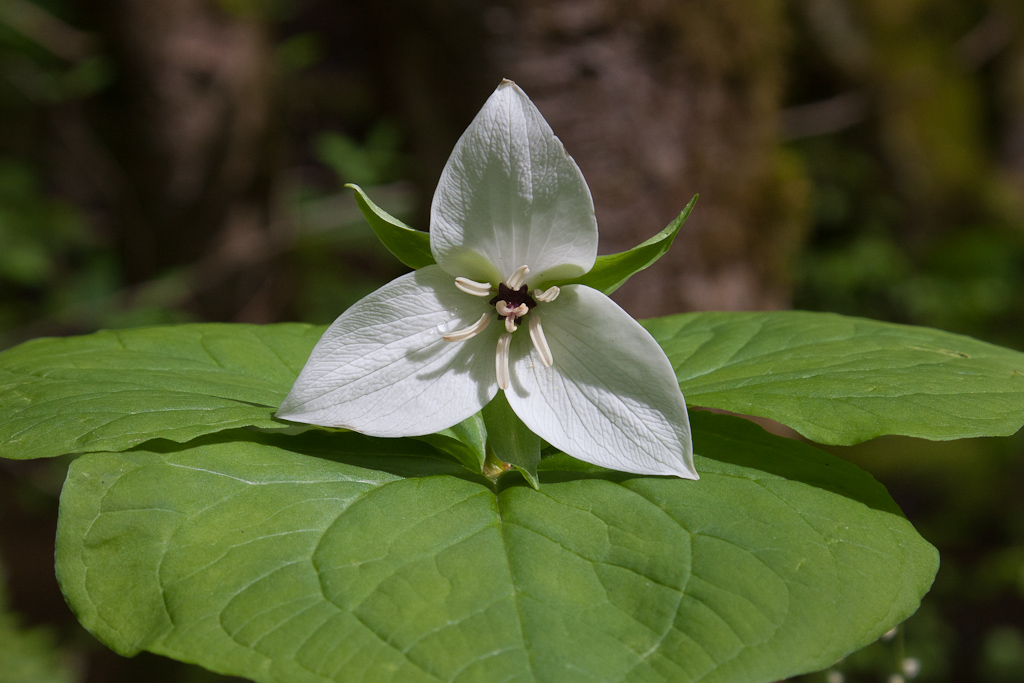
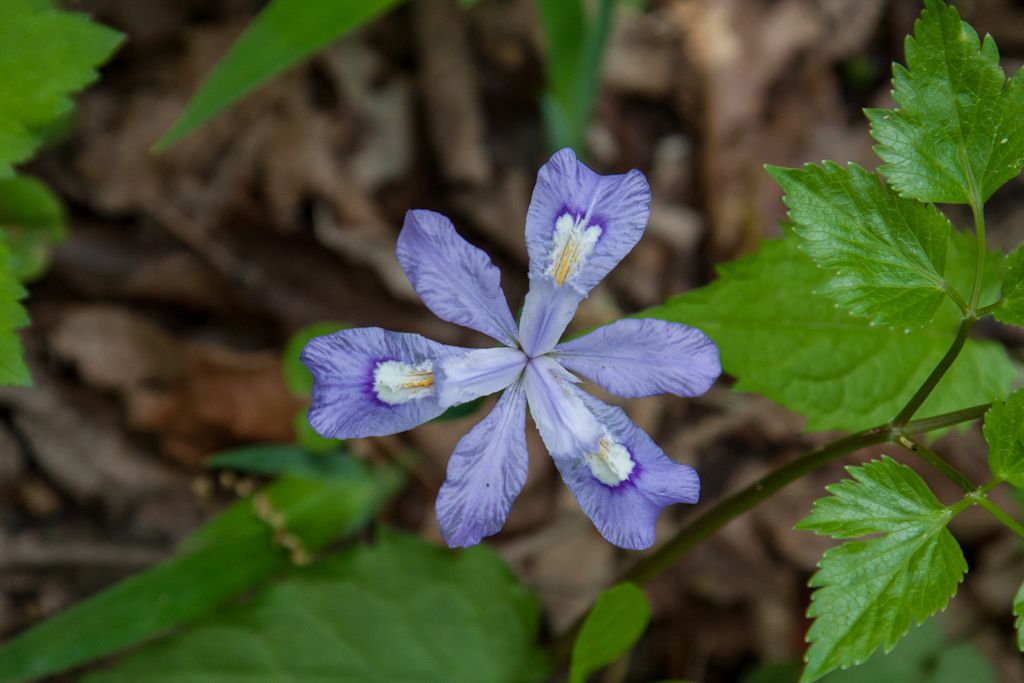
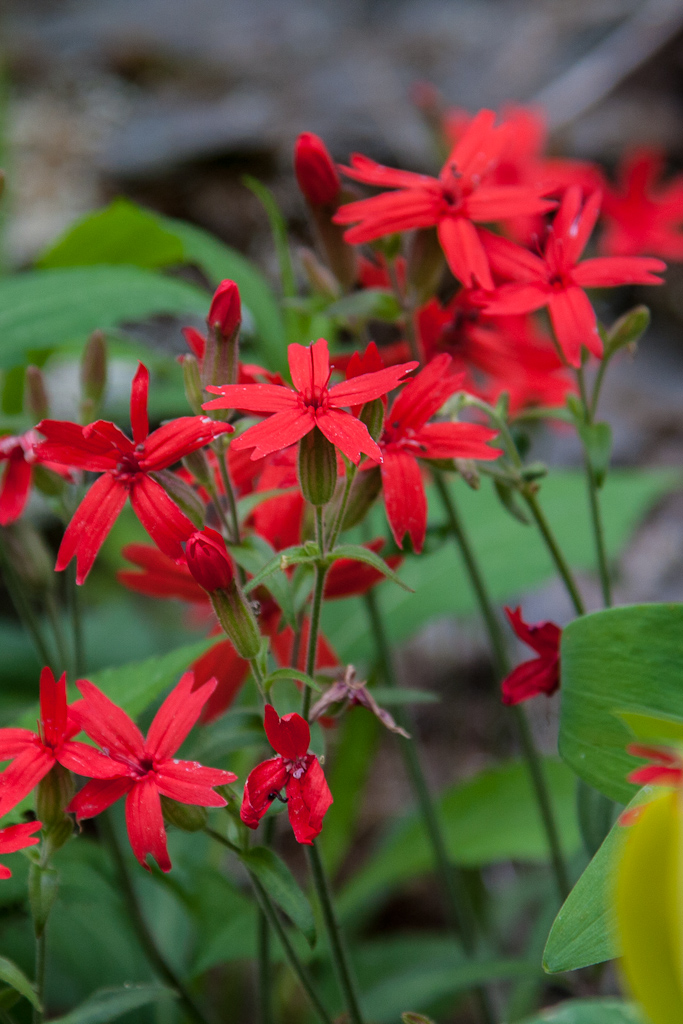
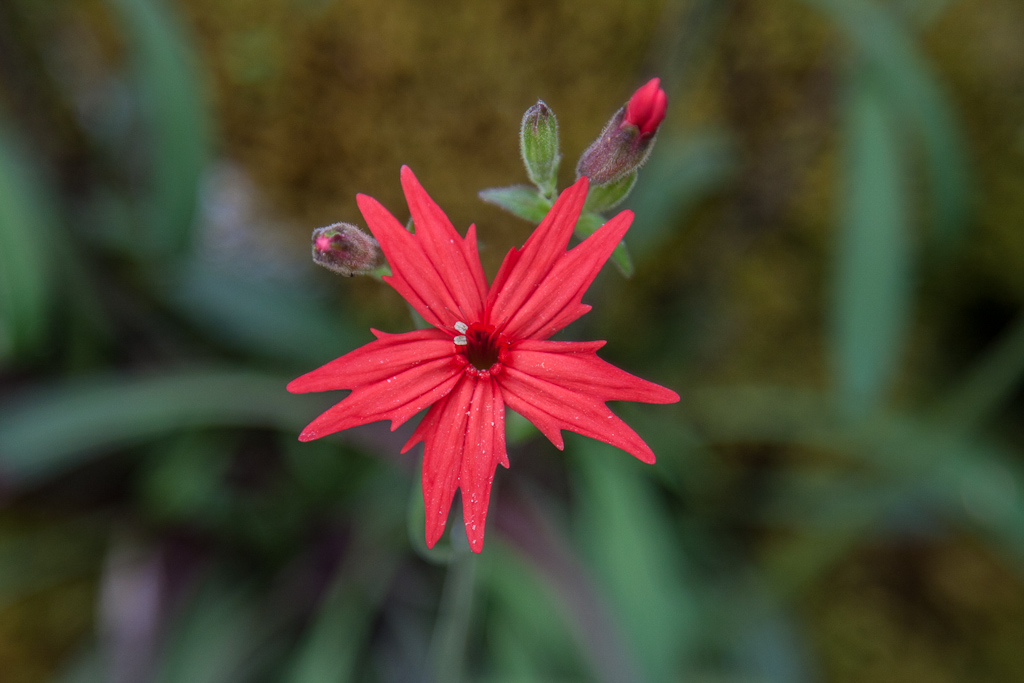
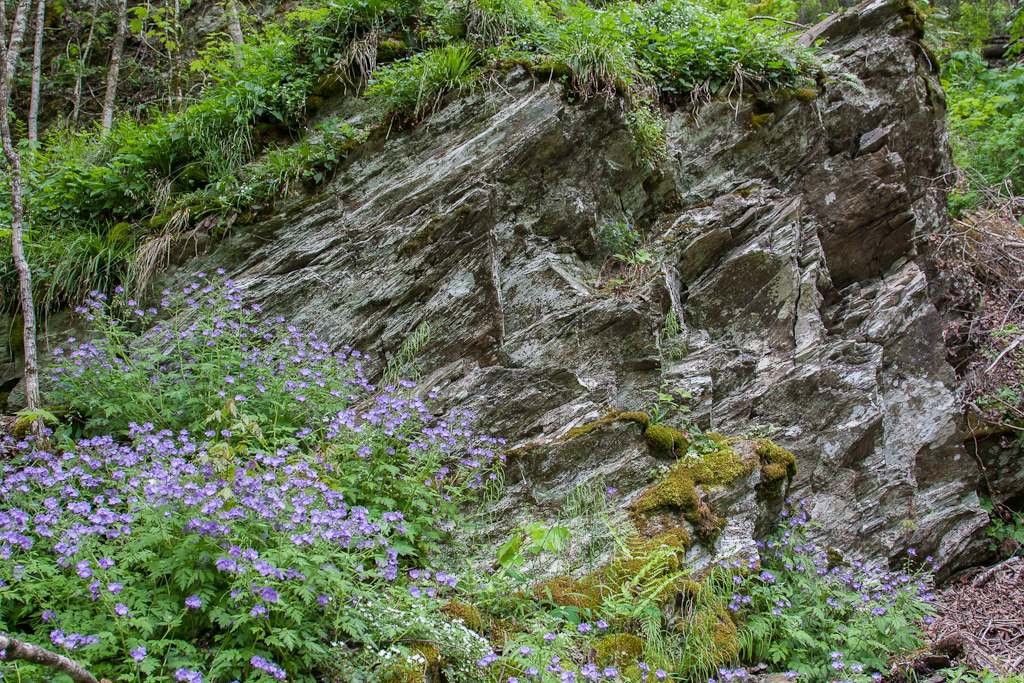
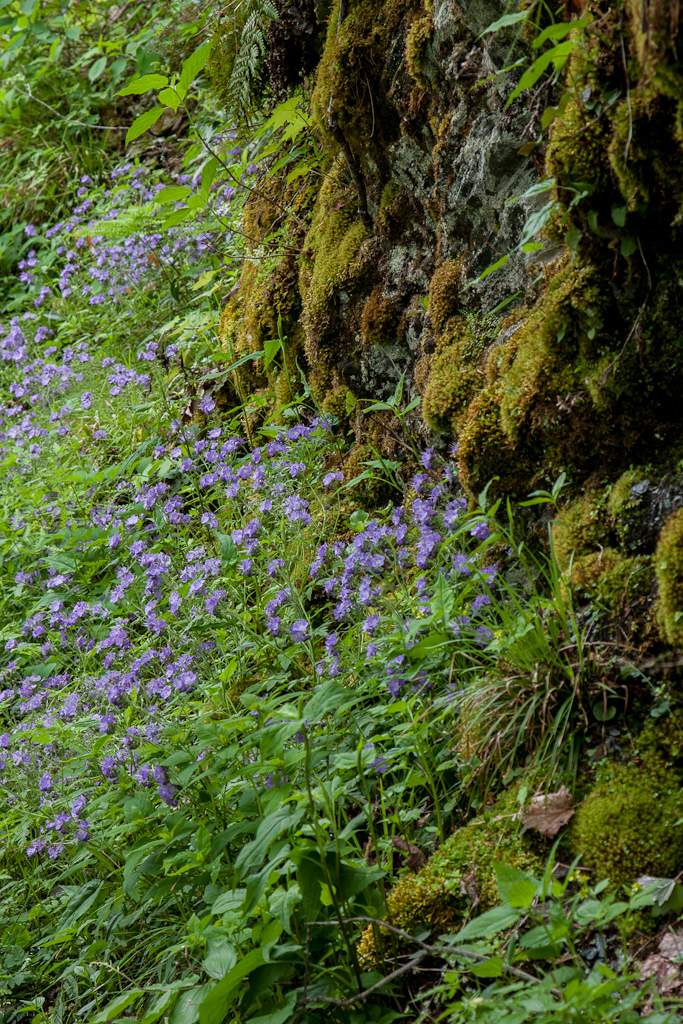
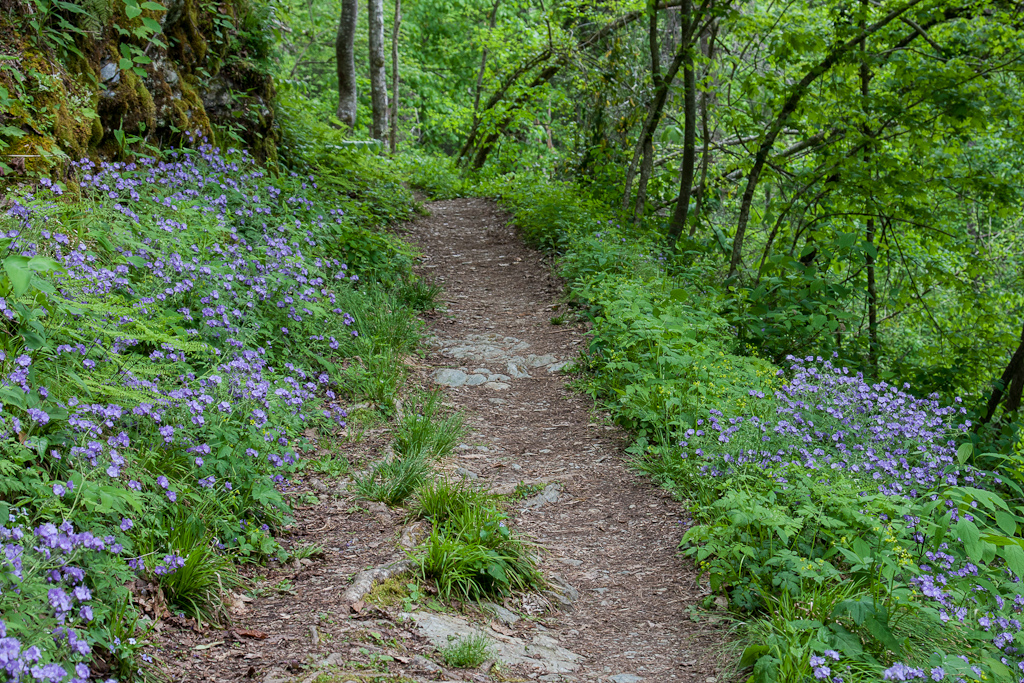
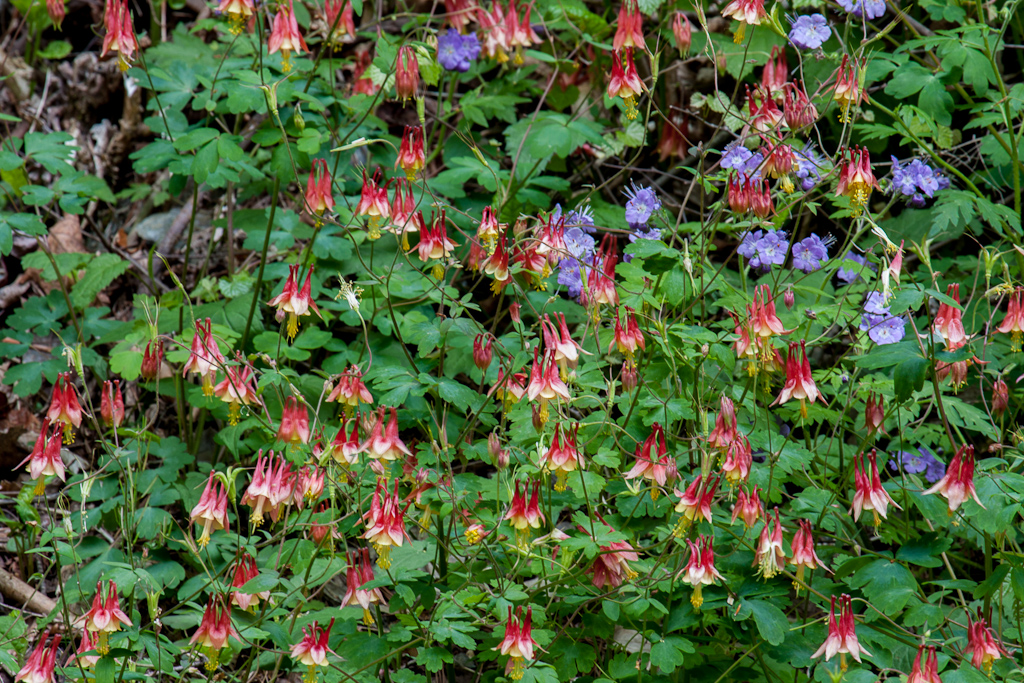
In the spring you'll have the added beauty of a number of flowers in full bloom — some cluster like the Purple Phacelia and cover the ground or the mountain side close to the road. Others are are like dashes of color such as the Fire Ping. And of course the Trilliums, whether White, Yellow, or Painted are a treat. I recommend including a flash in your photography kit to help illuminate some of the dark areas on trails which often have the best flower displays. Many trails are too narrow for a big zoom, but an intermediate zoom like a 24mm to 105mm will work fine and in most cases you won't need a tripod (but having one will certainly help). You'll need a zoom or a macro lens to get the flowers to fill a sufficient portion of the frame to make the photo look good.
Wildlife Viewing
First and foremost, you need to know this important rule of thumb. If there's a car stopped, there are turkeys in the area. If there are 2 or 3 cars stopped, some deer are nearby. And if the road is packed with parked cars, someone has spotted a black bear. Aside from this help from your fellow travelers, spotting animals is pretty much a game of time — the more you time you spend looking for animals the more you'll find.
Black Bears
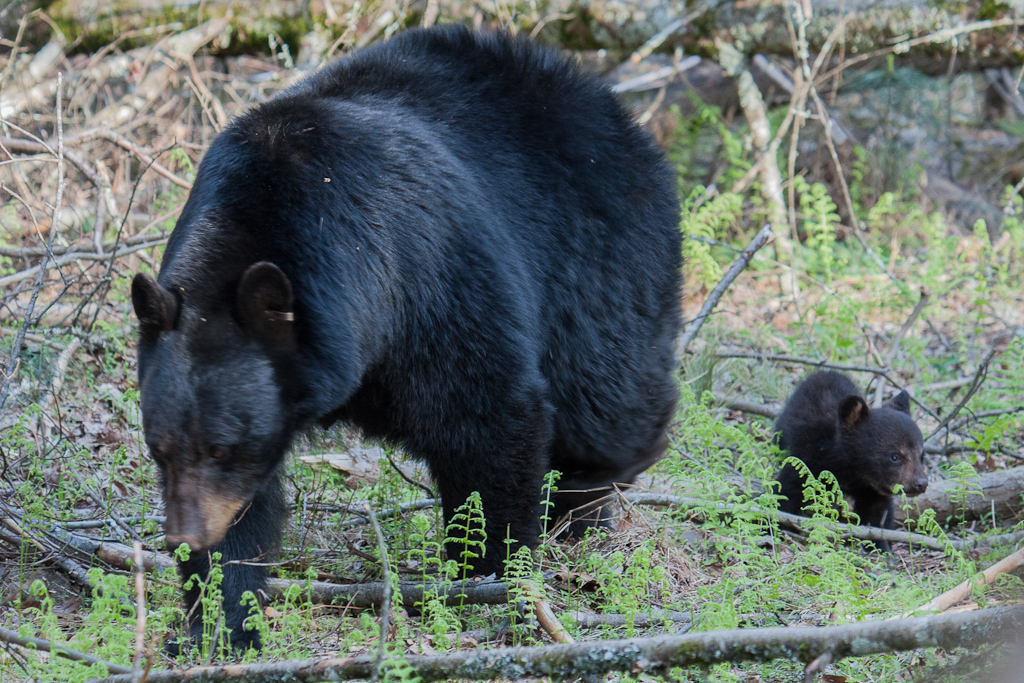
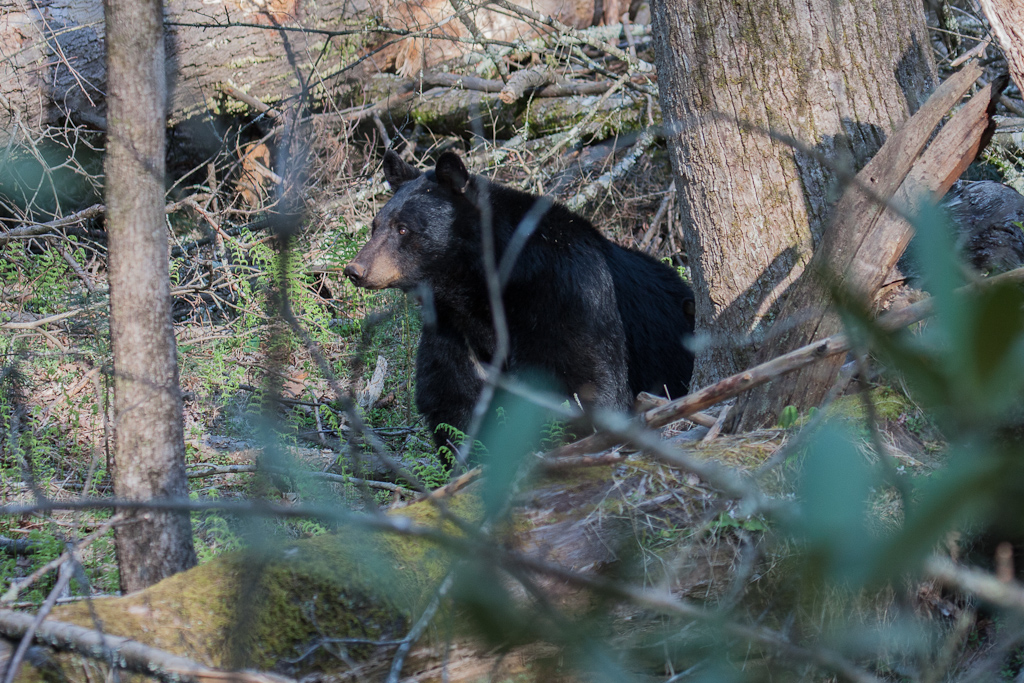
I came across a black bear and cub sighting while driving along Cades Cove. I also saw a bear while hiking to Grotto Falls. And I was the first to spot a bear about 10 feet from the road while on the Roaring Brook Motor Trail. That's 3 sightings over 6 days.
Birds
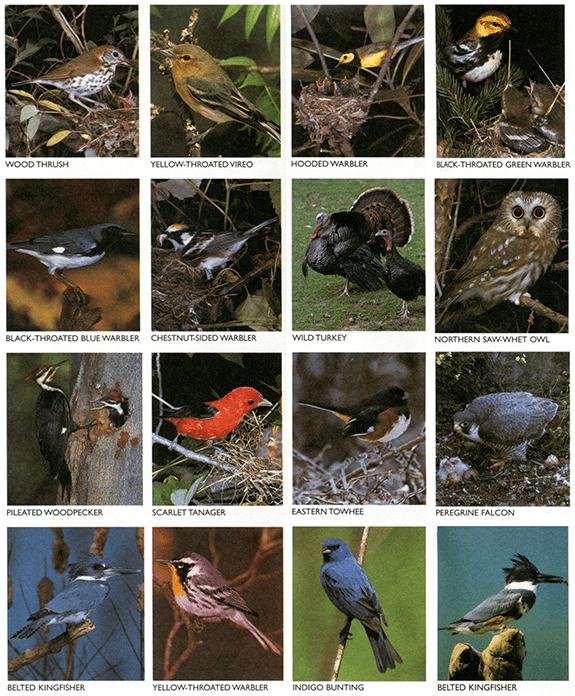
Birds were particularly hard to spot. I often heard them, but picking them out from amongst the leaves was nearly impossible. As I wrote earlier, birding from the parking lots of the Sugarlands Visitor Center is worth doing once. My two best sightings were of a Blue Bird and Pileated Woodpecker.
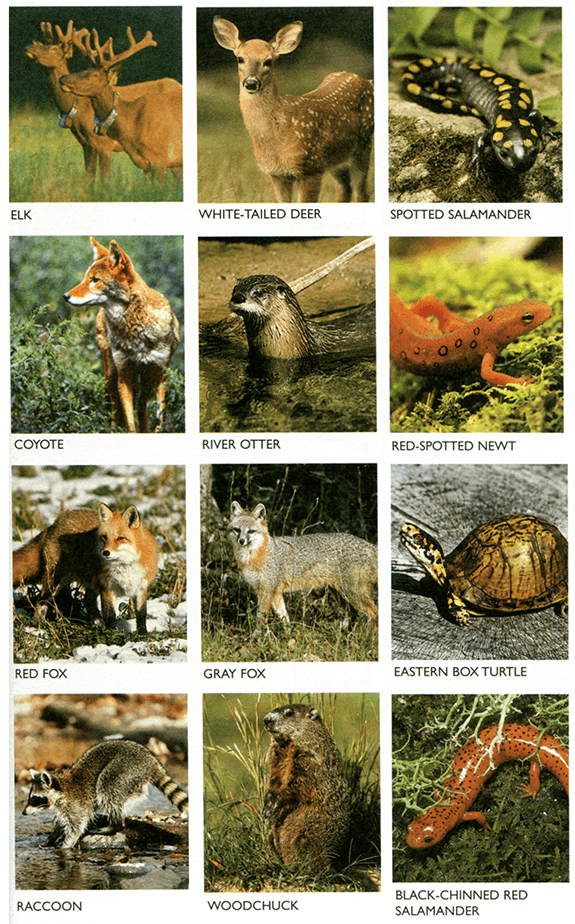
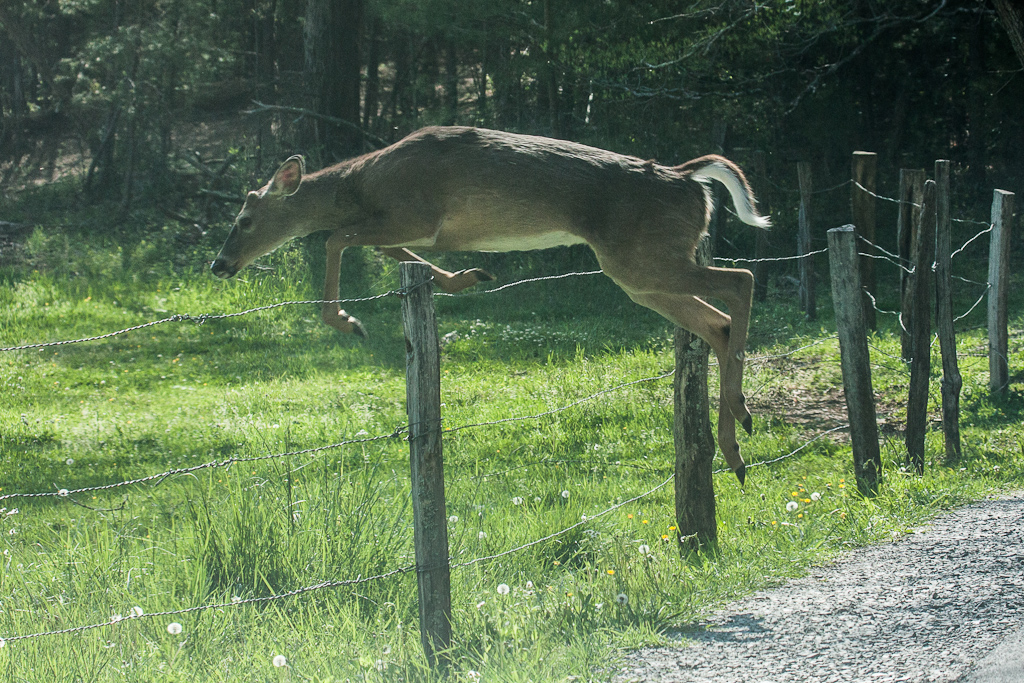
Wild Turkeys were everywhere — sometimes alone and sometimes in groups of up to 5. White-Tailed Deer were plentiful too. I met one person that had seen otters in the river. While there are certainly other mammals in the park, I didn't see any of them.
Insects and Critters
On the insect front, the Tiger Swallowtails were out in full force when I was in the park (mid-April). There were also Pipevine Swallowtails, but in fewer numbers. Unfortunately, neither stayed still long enough for a good viewing. Do keep your eyes open for millipedes — the more common, brownish-red with orange stripes millipede can get impressively long and the less common black with bright yellow millipede both of which are worthy of a photo.
Having been to a dozen or so of the nation's national parks I can vouch for the Great Smokie's natural beauty. As such I hope I've painted a compelling enough picture of the park that you'll want to go!
Photo Gallery
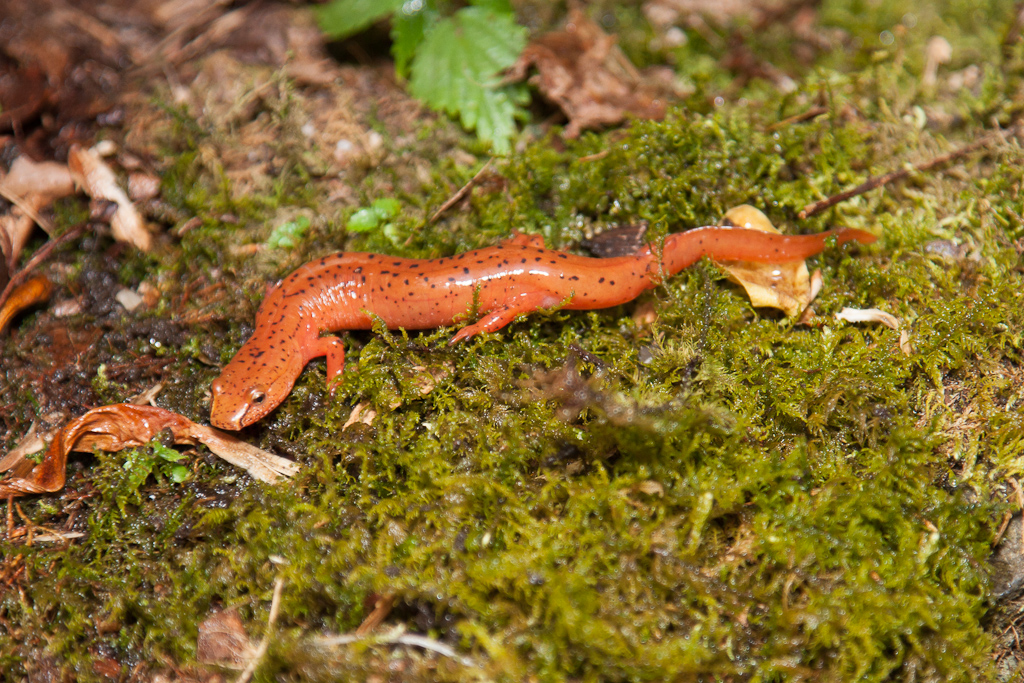
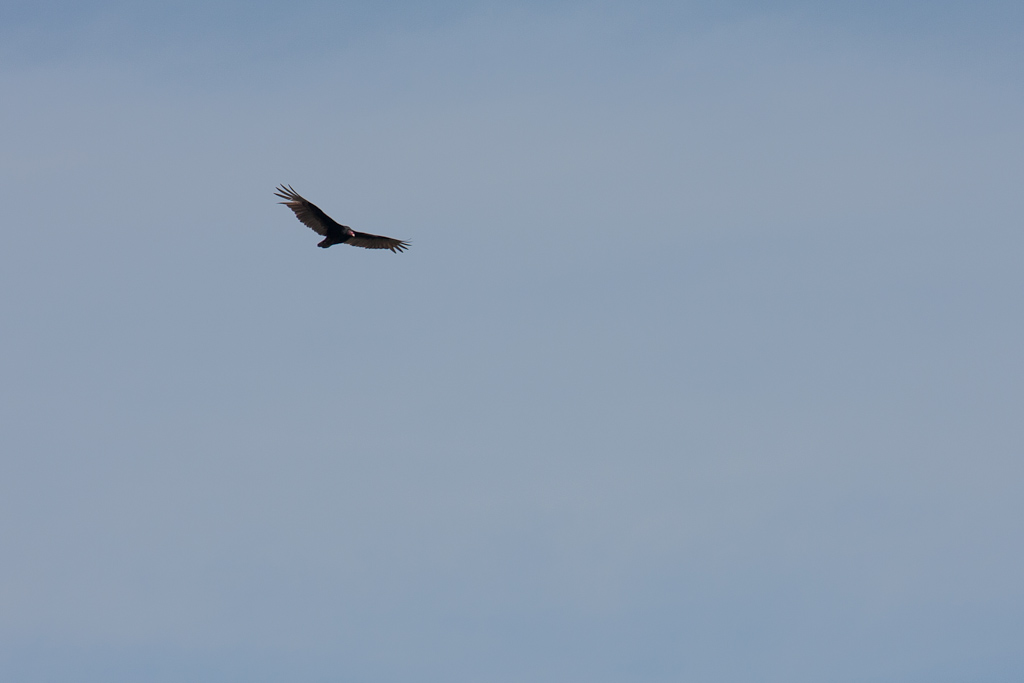
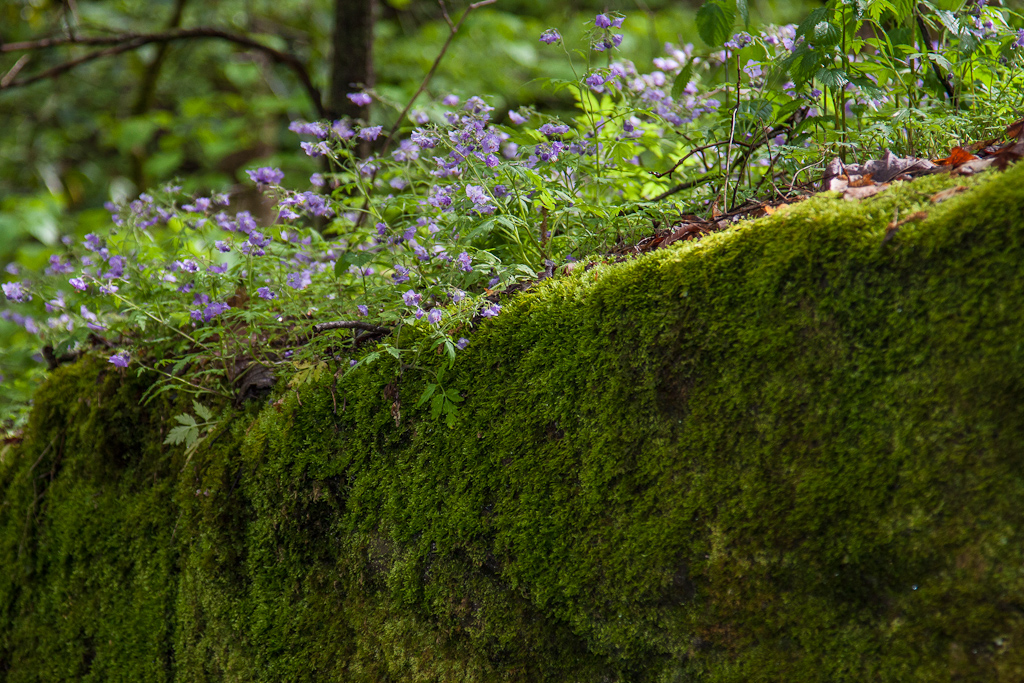
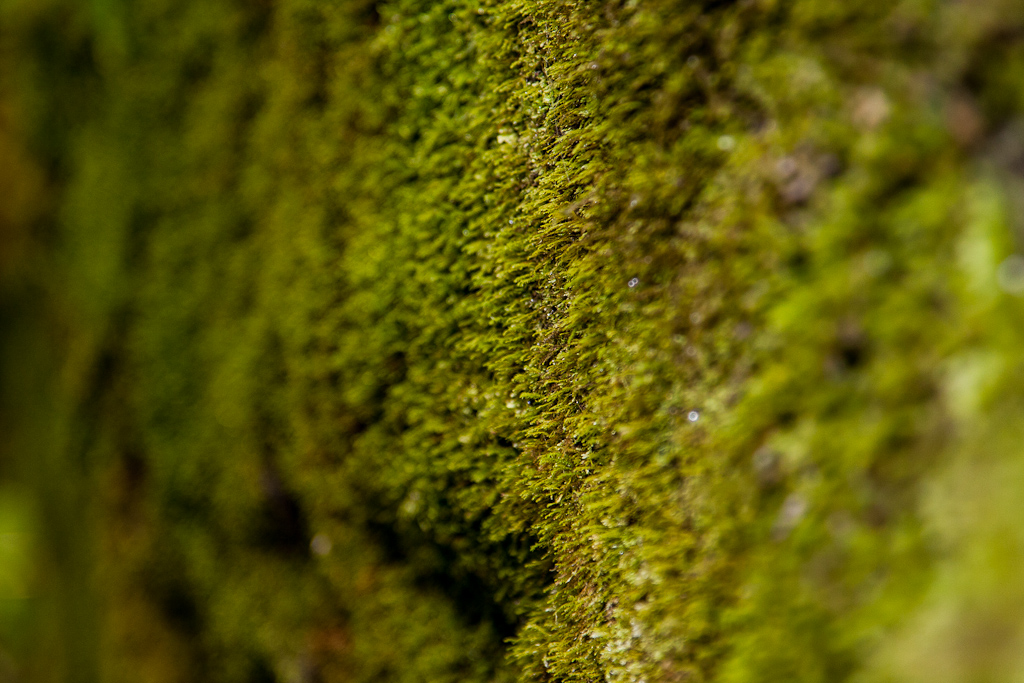
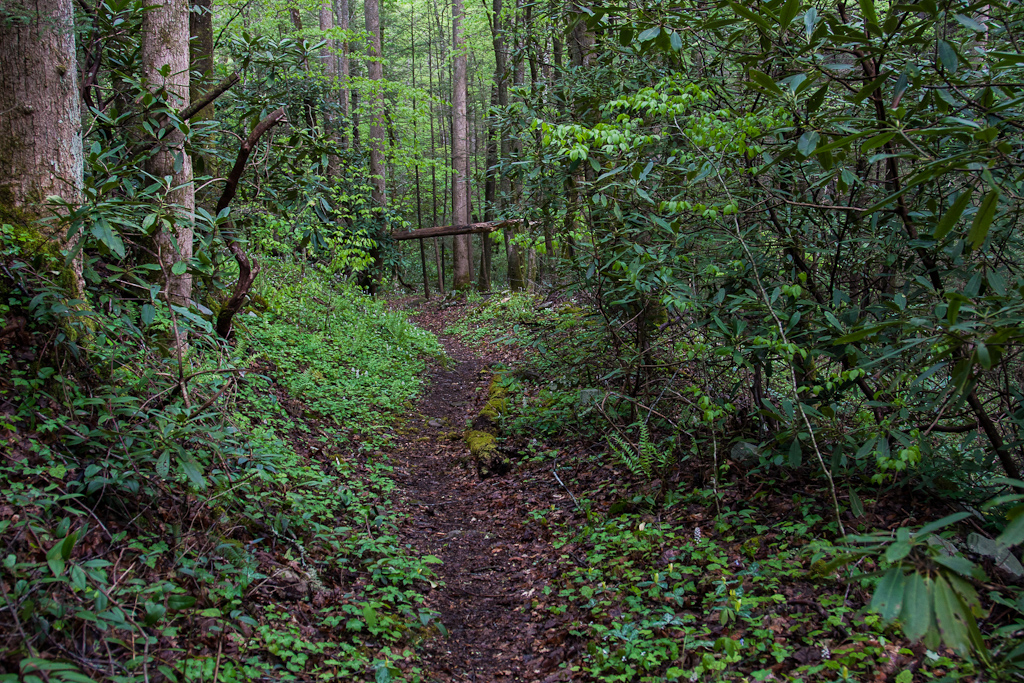
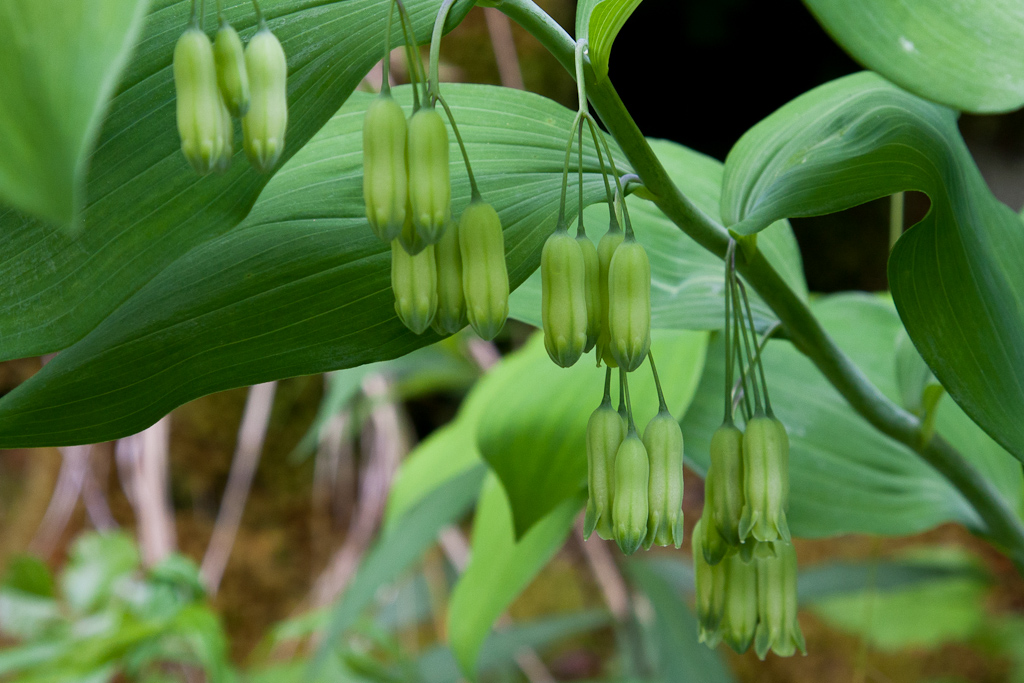
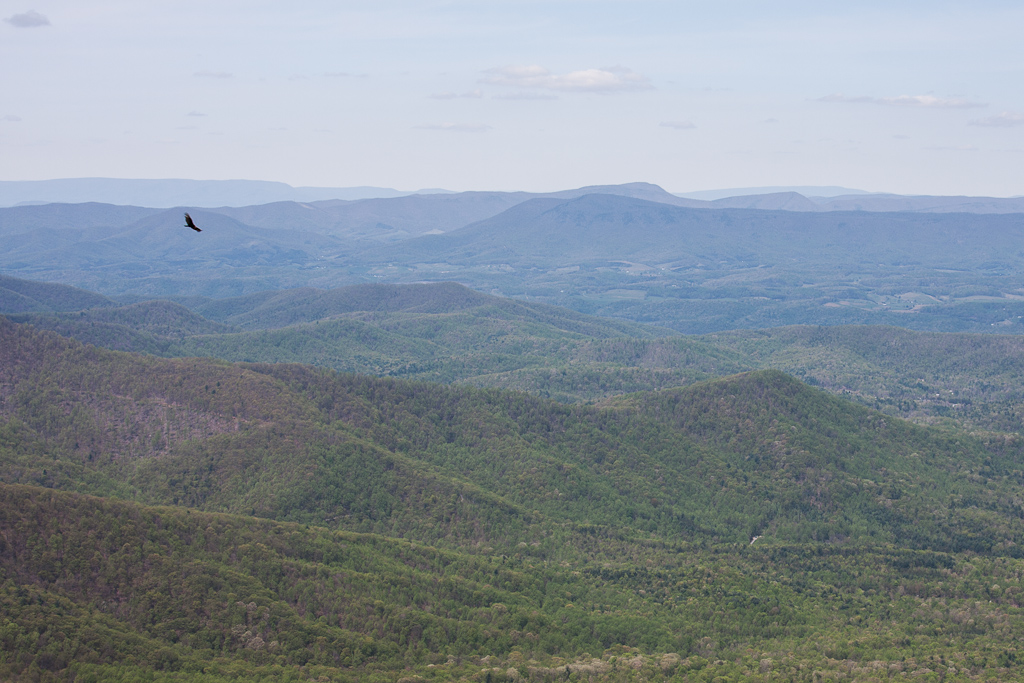
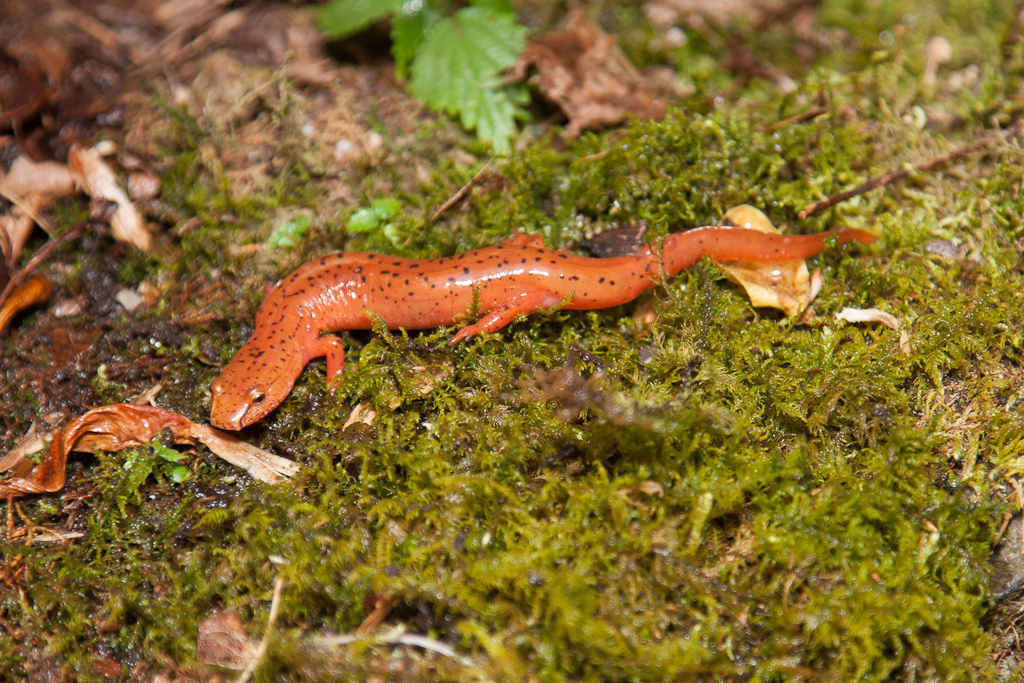
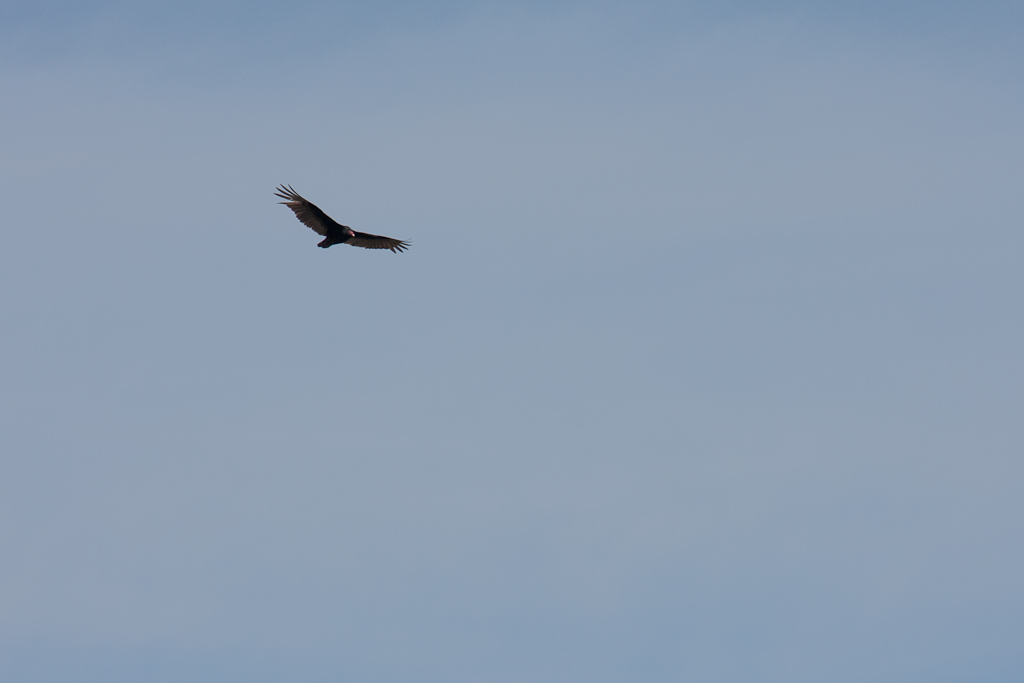
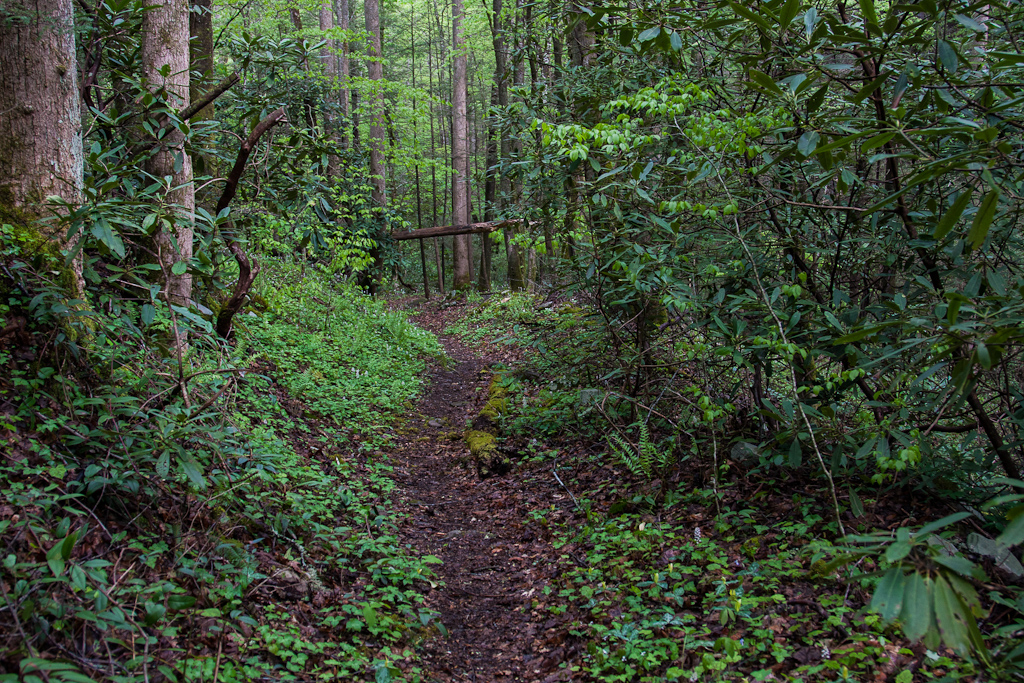
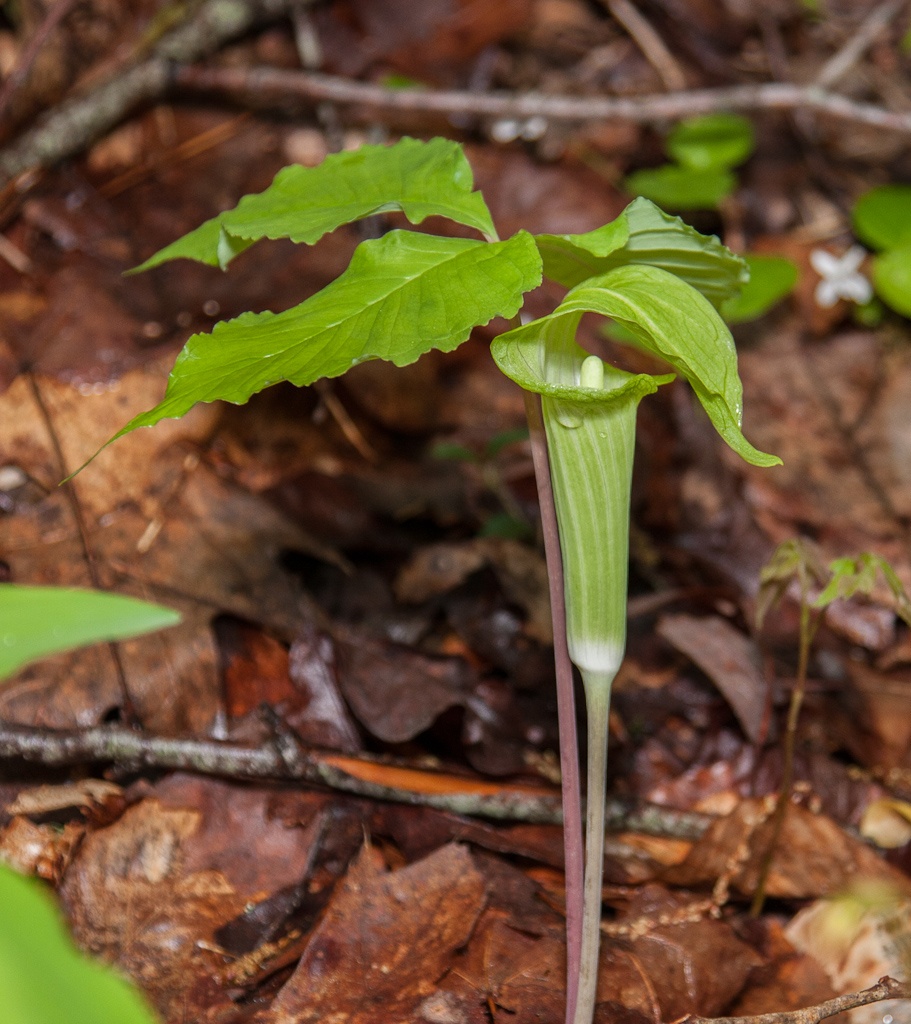
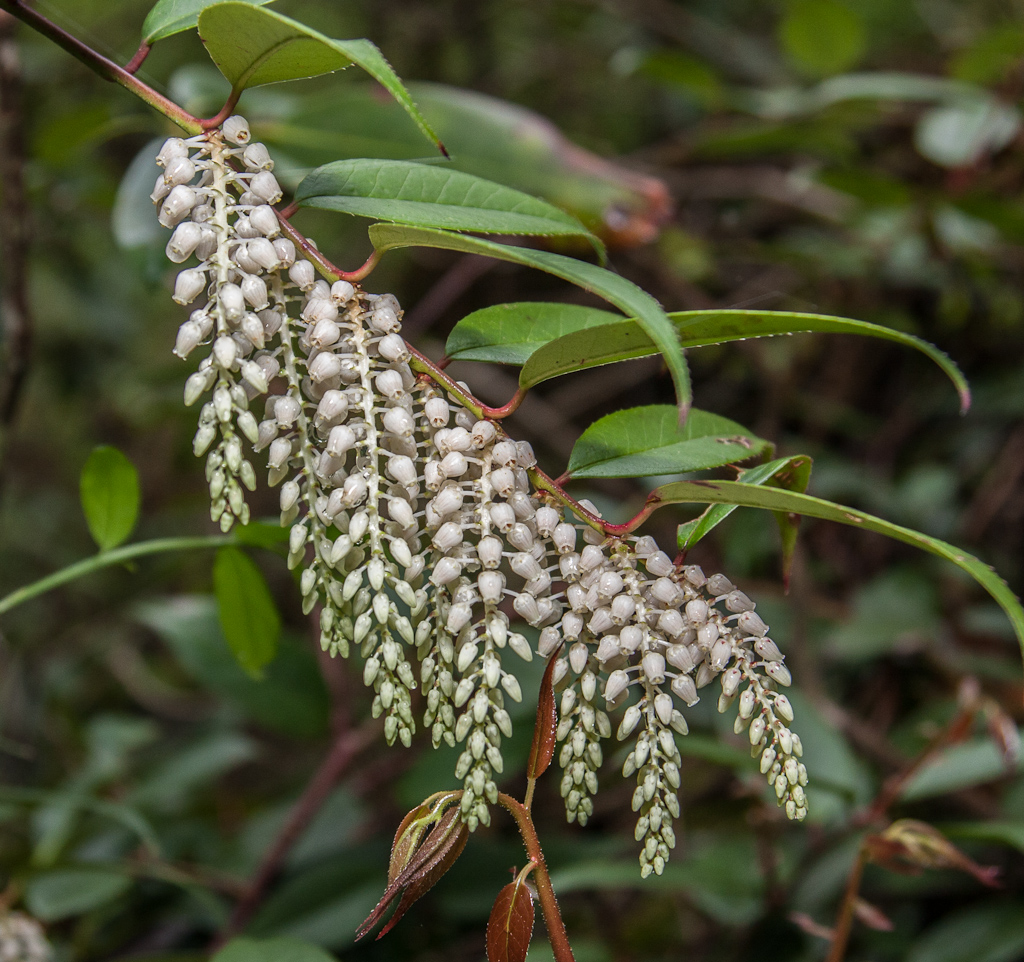
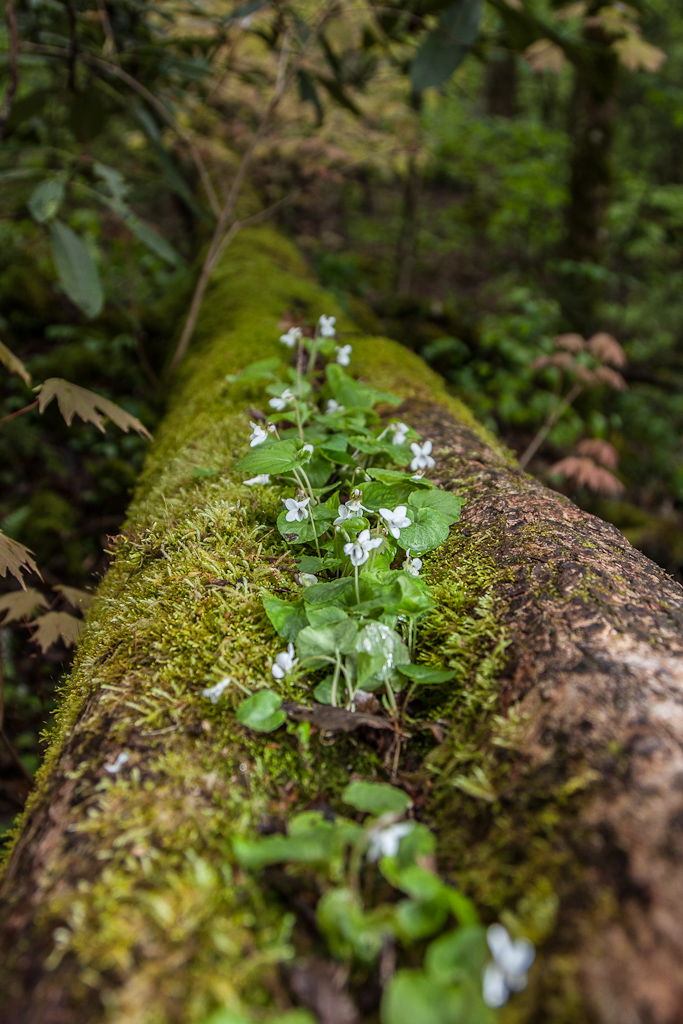
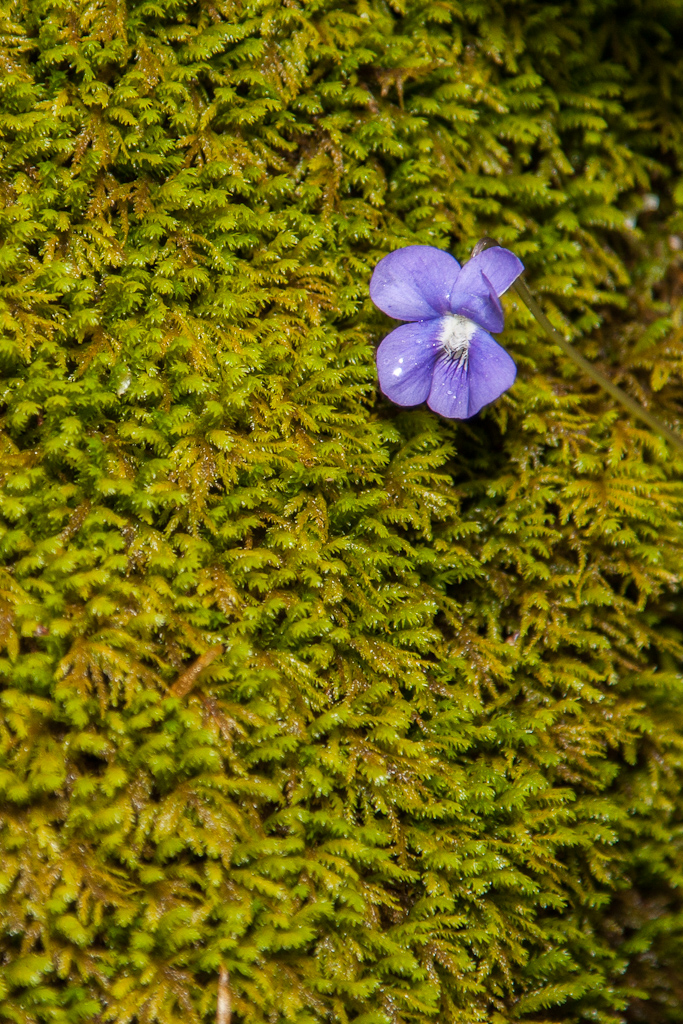
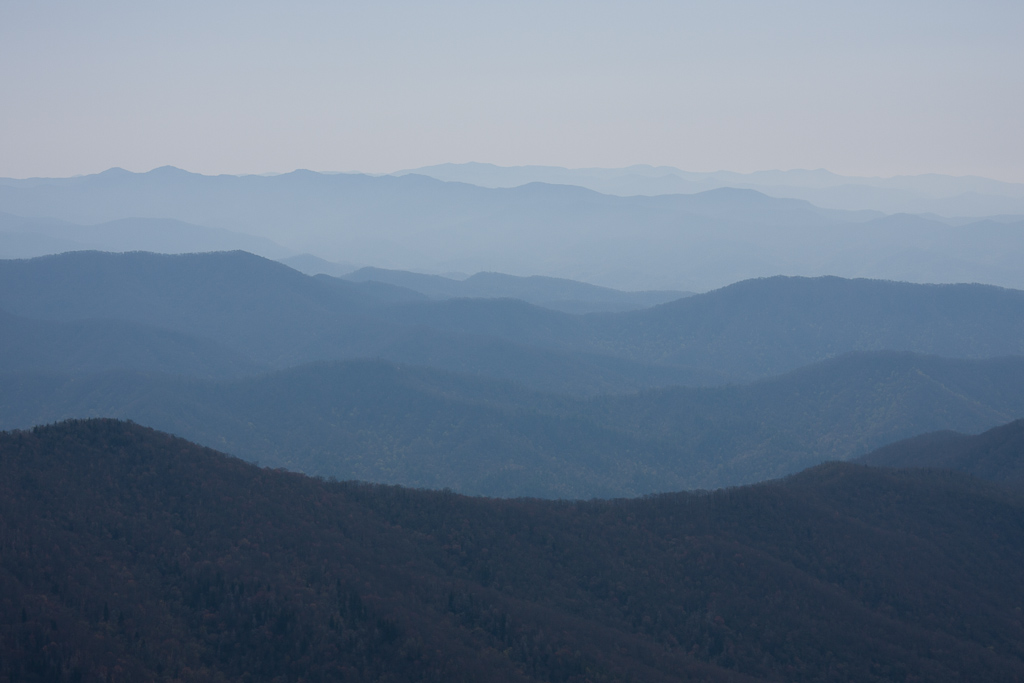
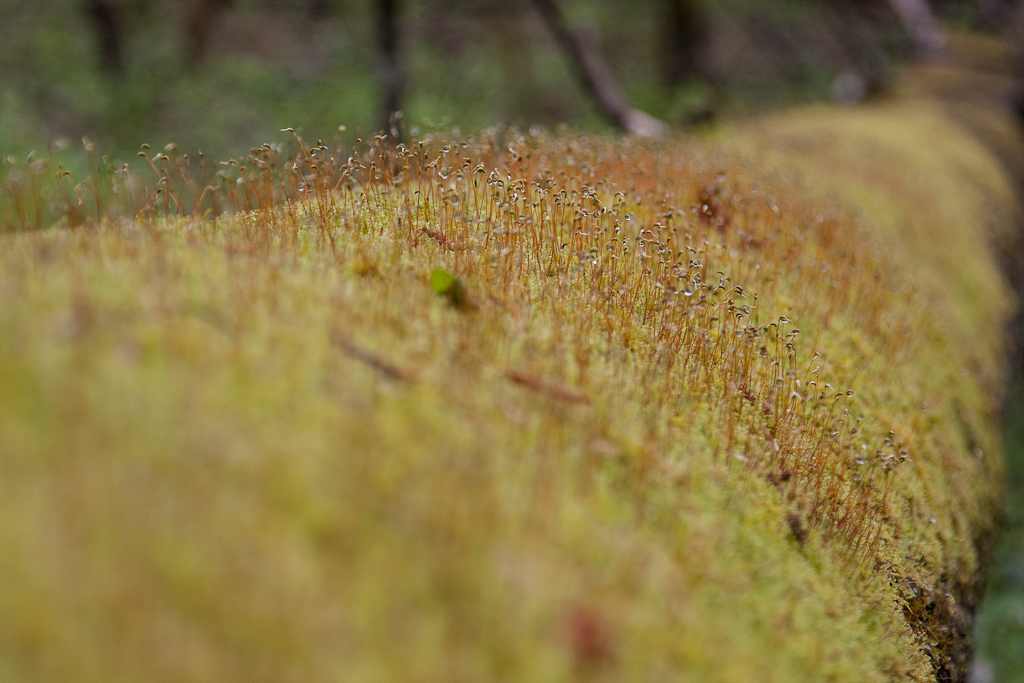
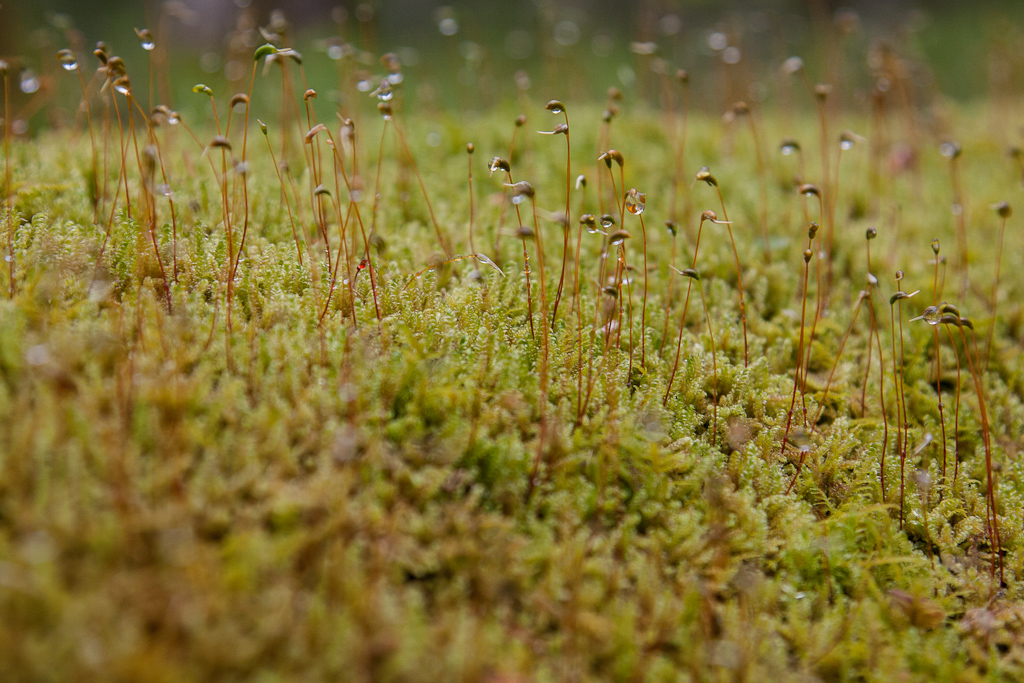
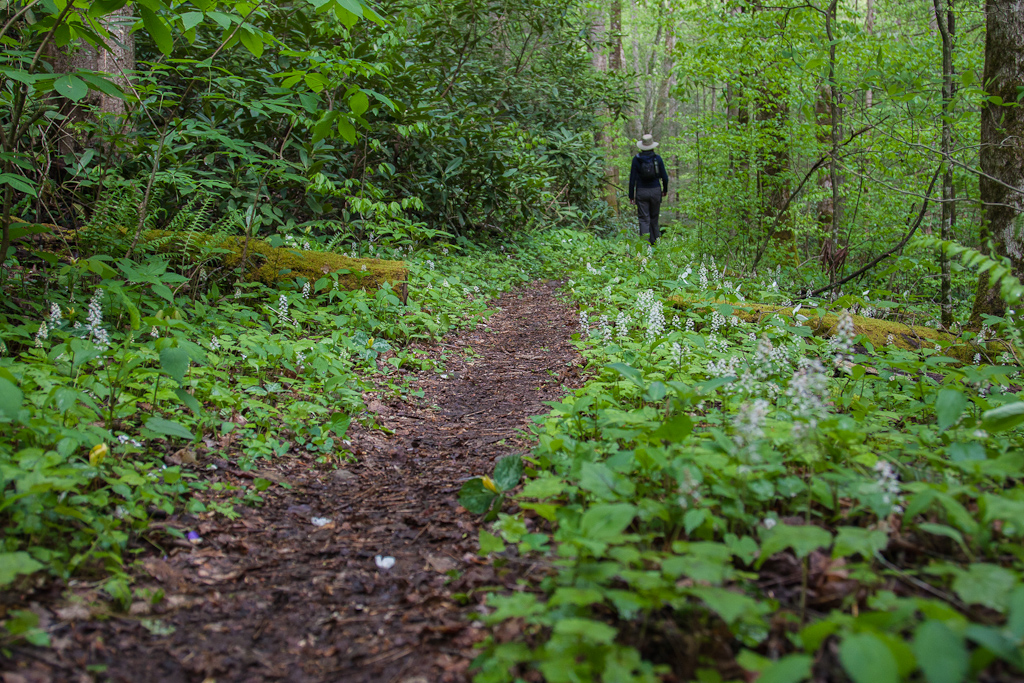
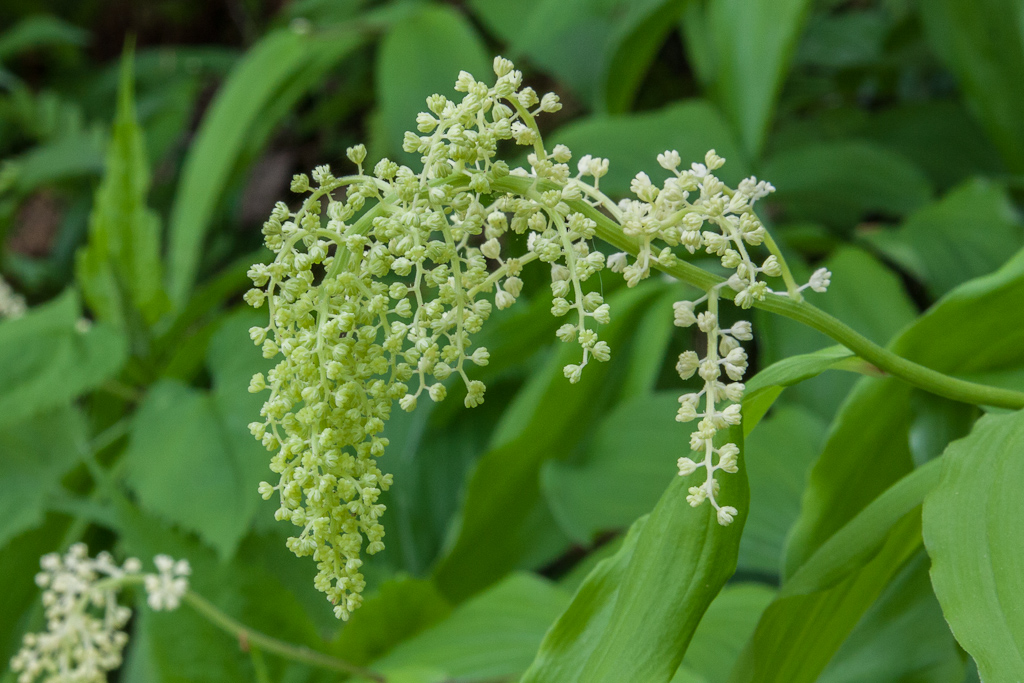
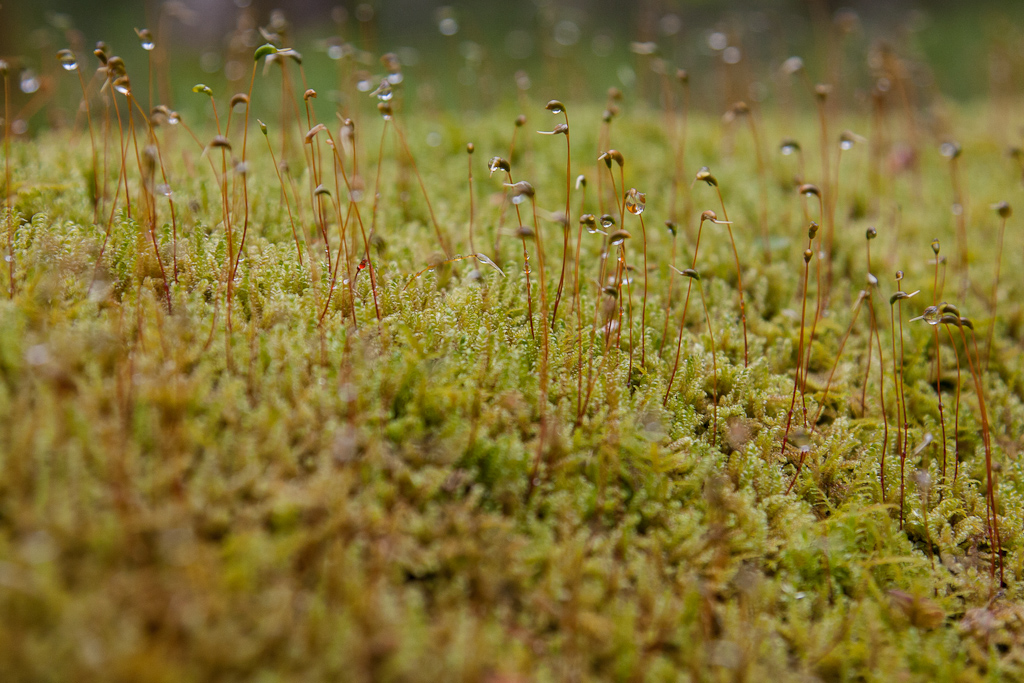
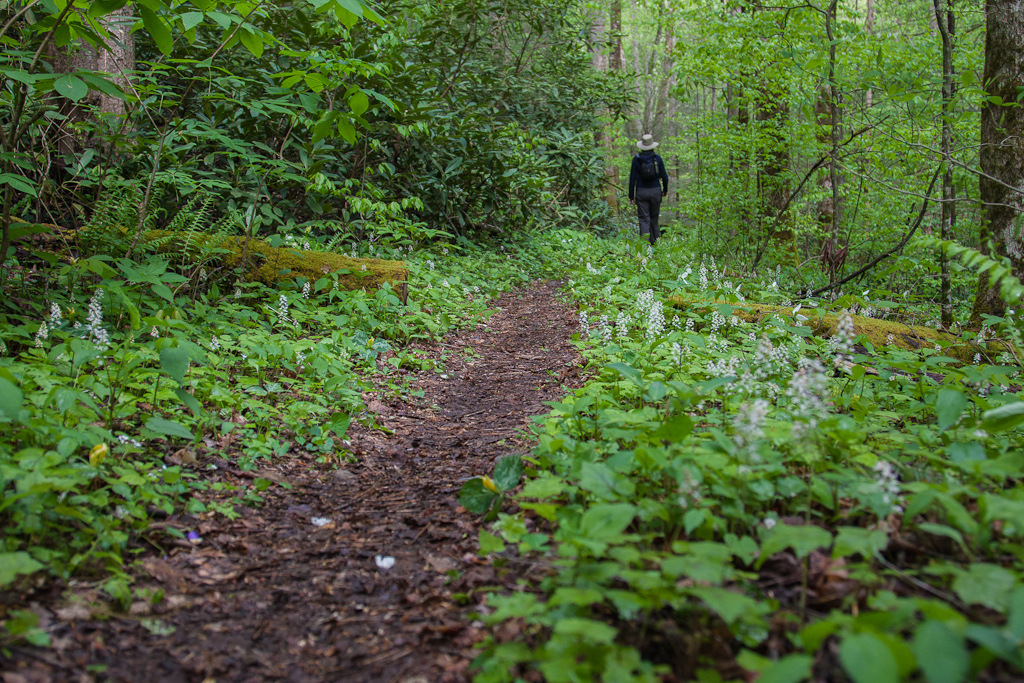
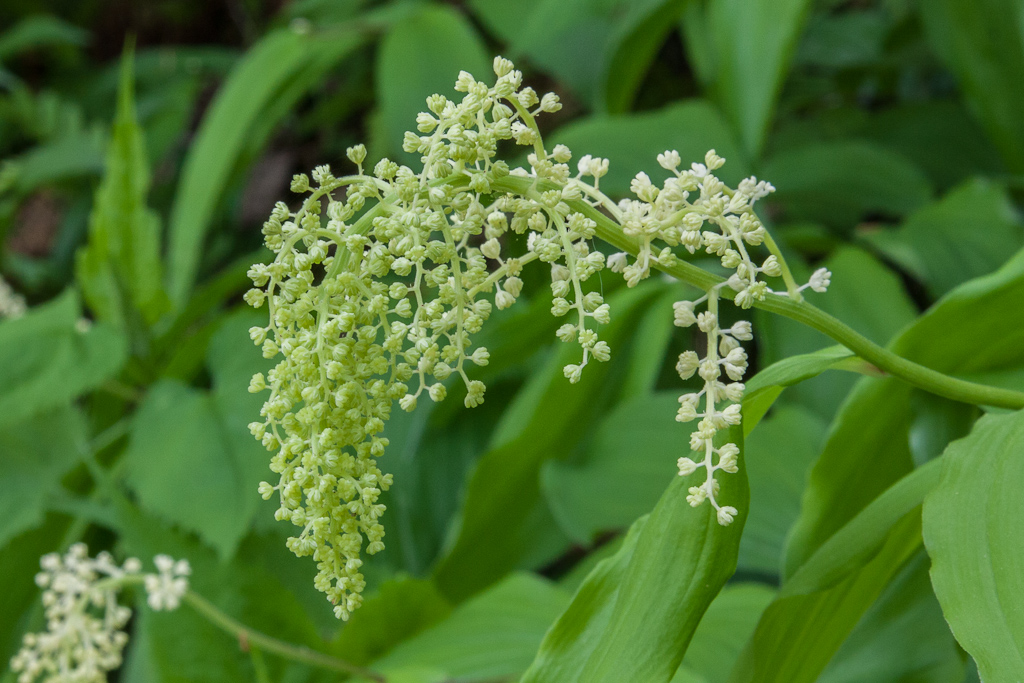
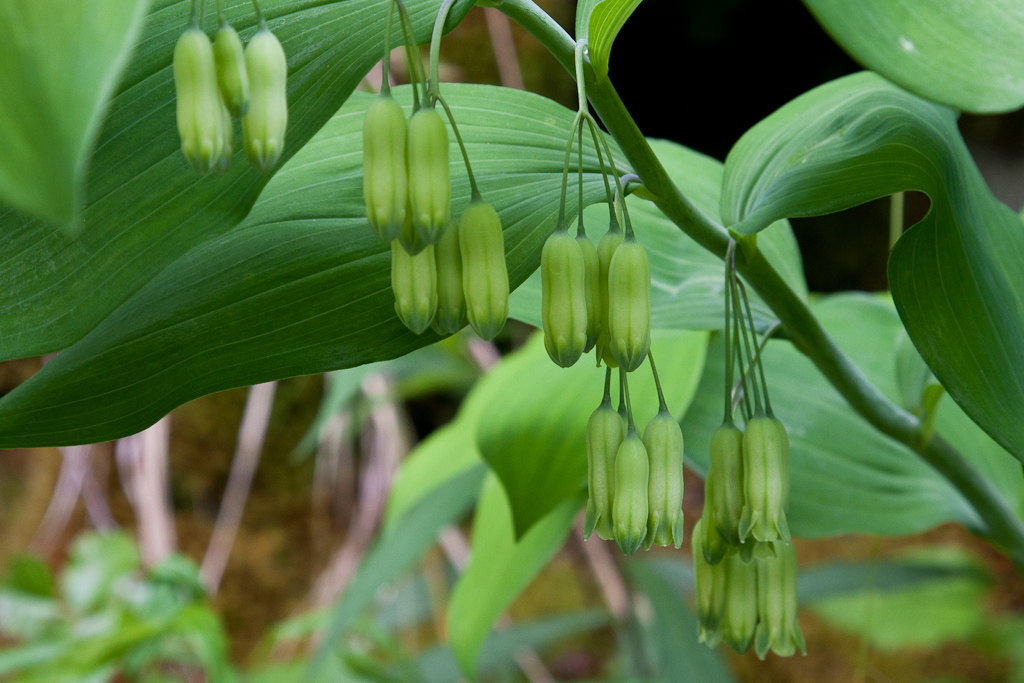
These photos were all taken in spring during the week of the Spring Festival. The flowers at this time are particularly plentiful and the weather is generally good. But there remain signs of winter such as dead leaves on the ground and the trees haven't quite filled out.





















































 (2 votes, average: 5.00 out of 5)
 Loading...
Leave a Reply