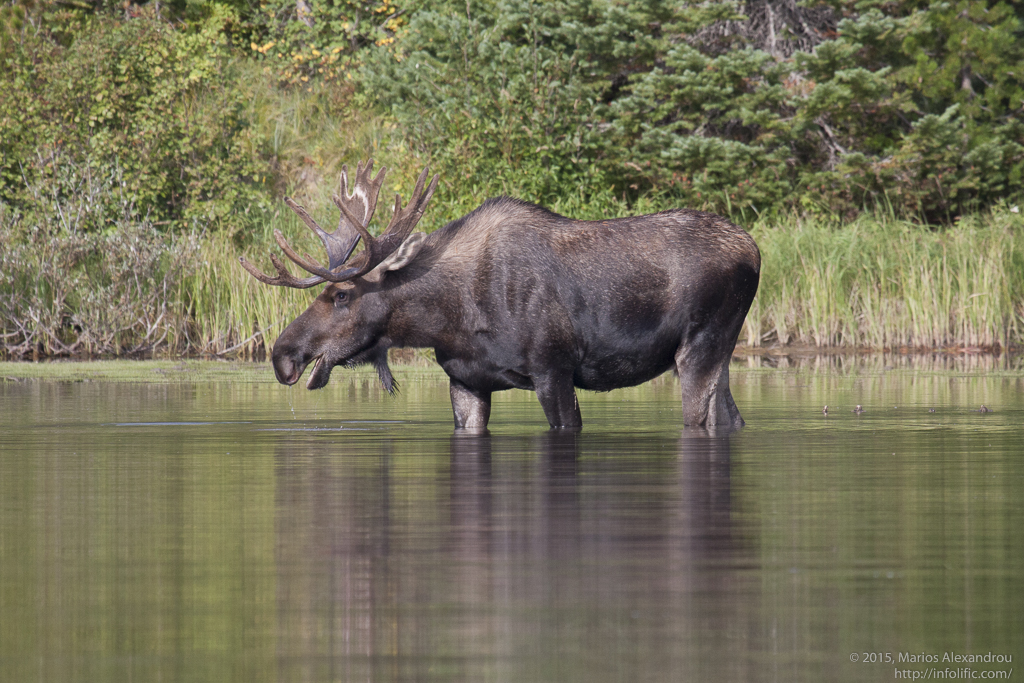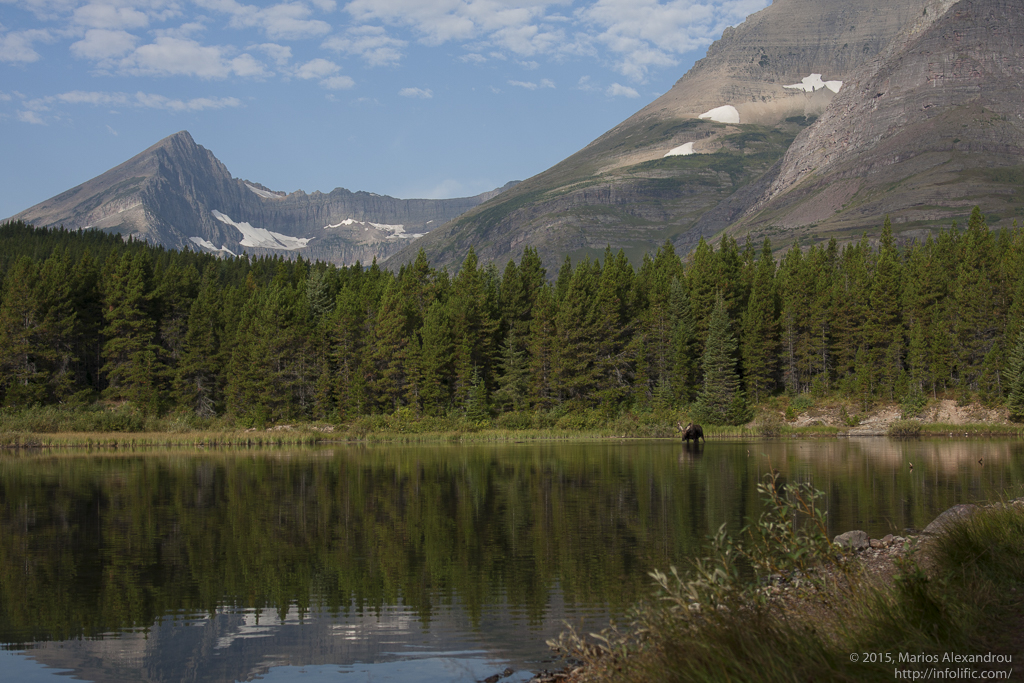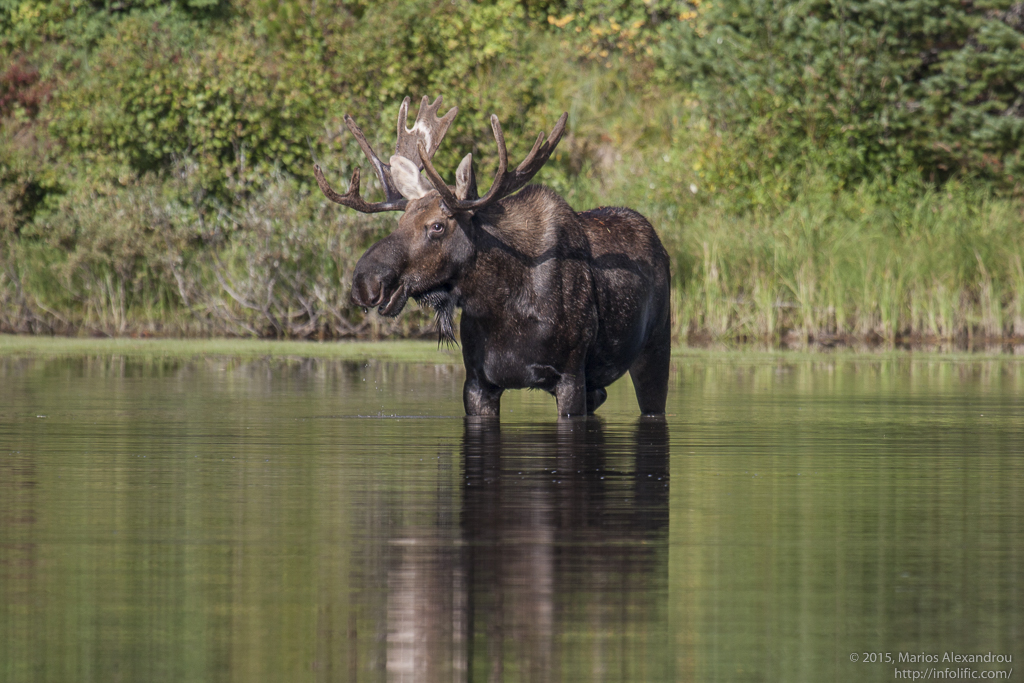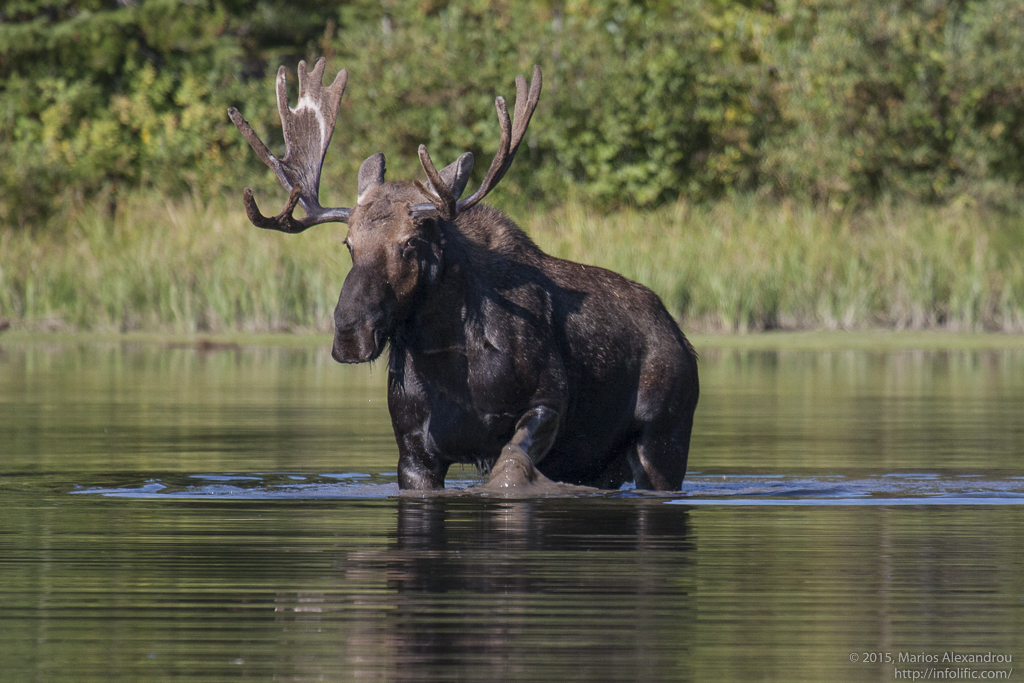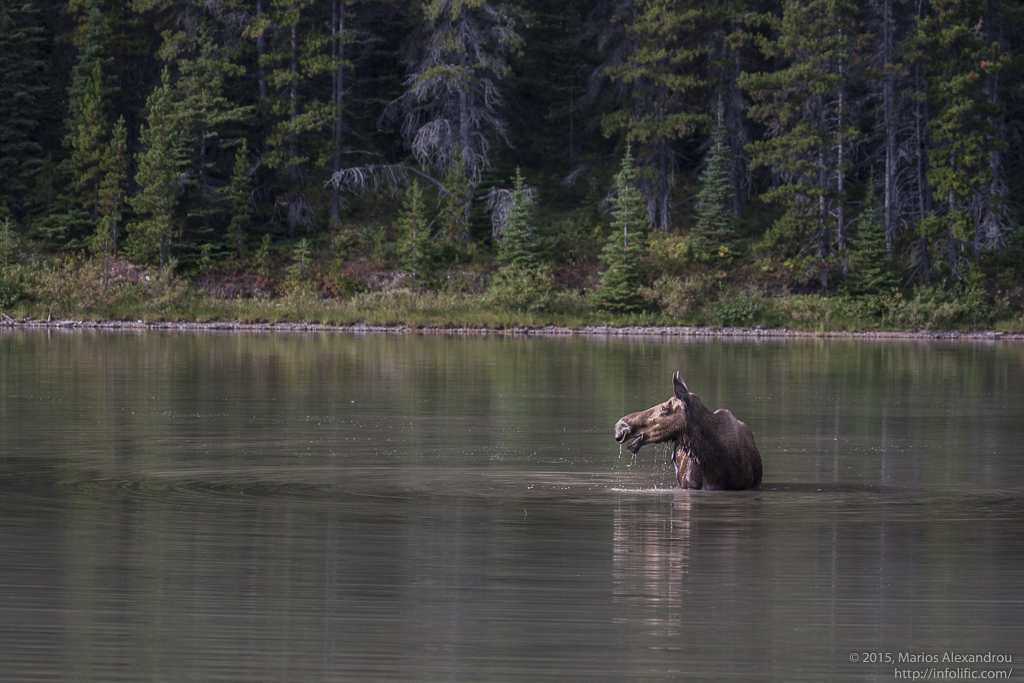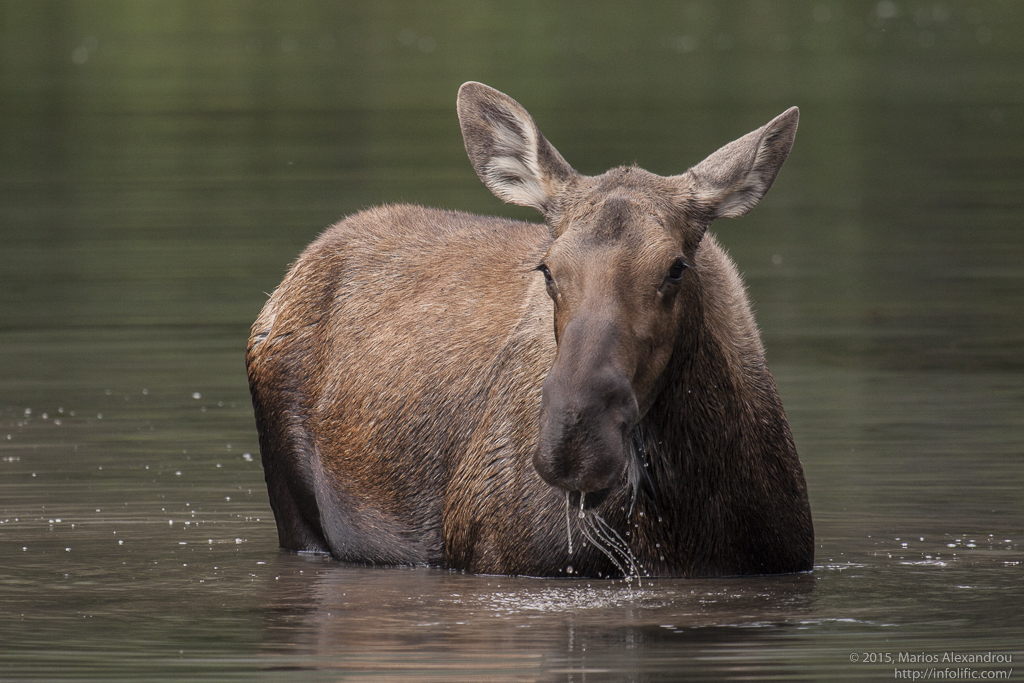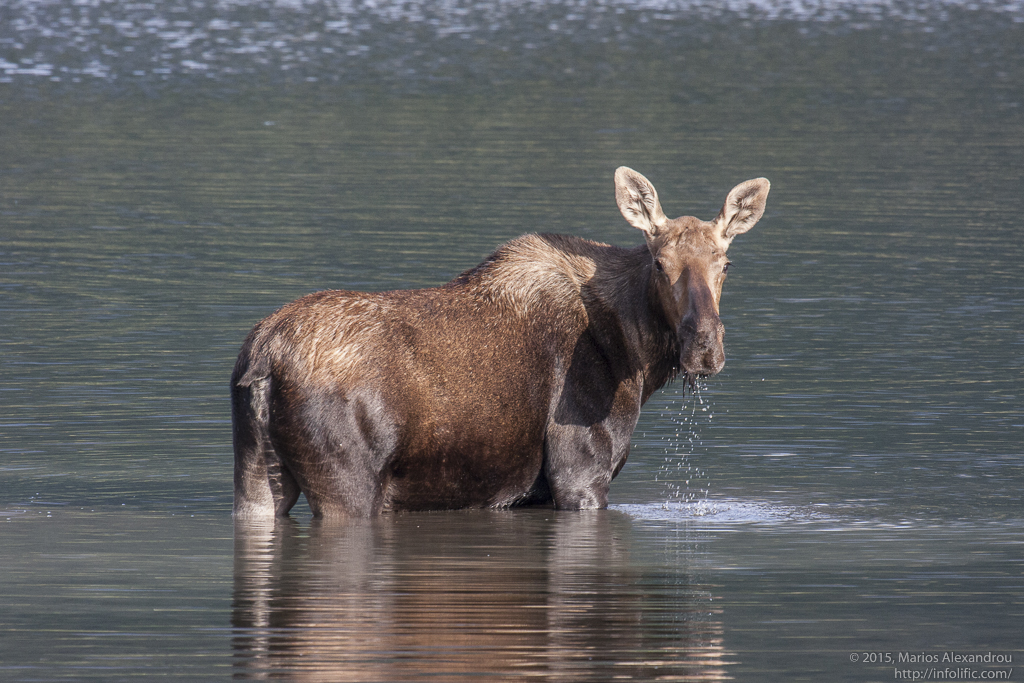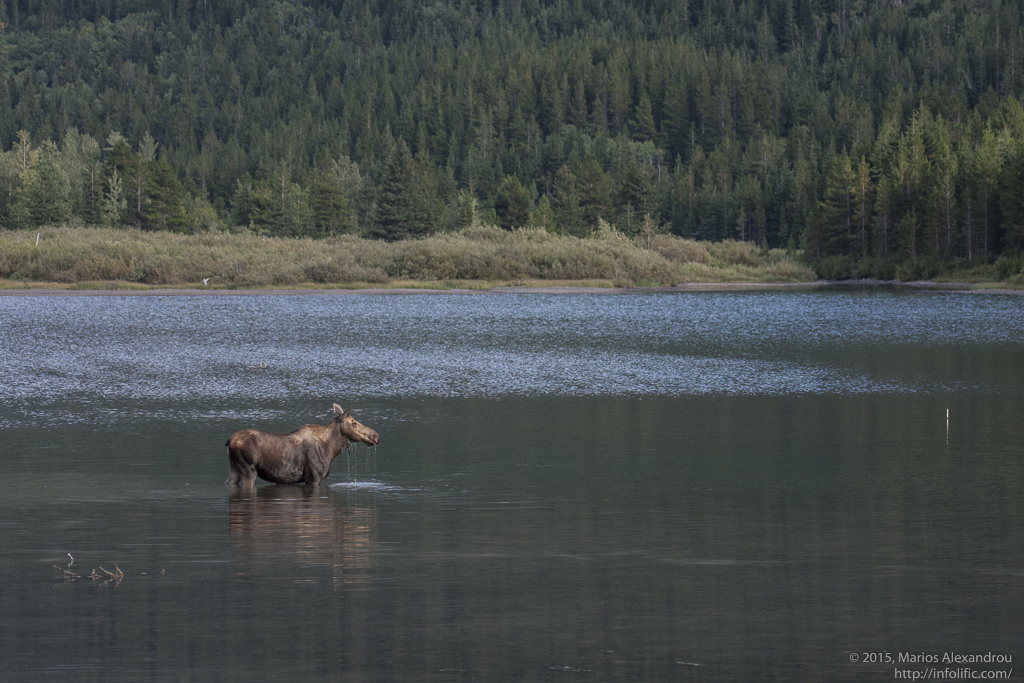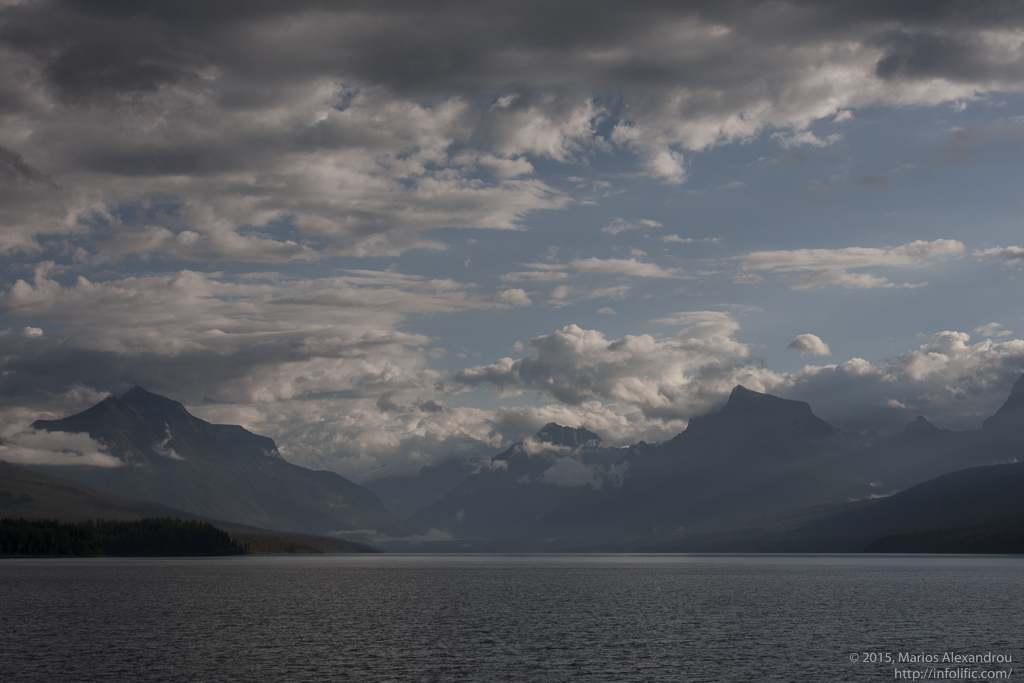

Glacier National Park
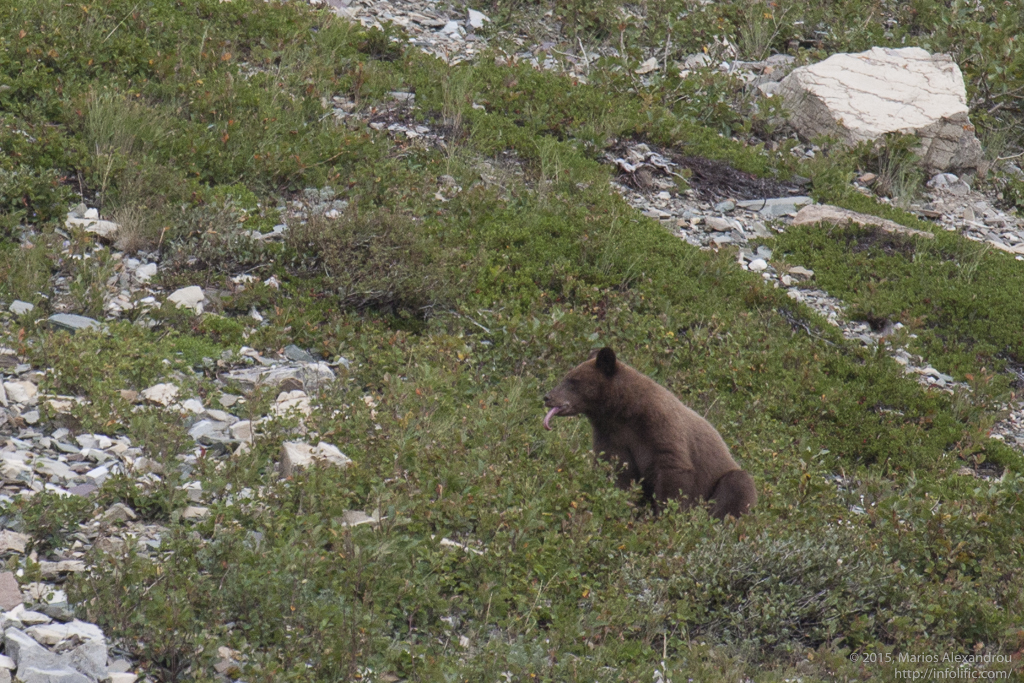
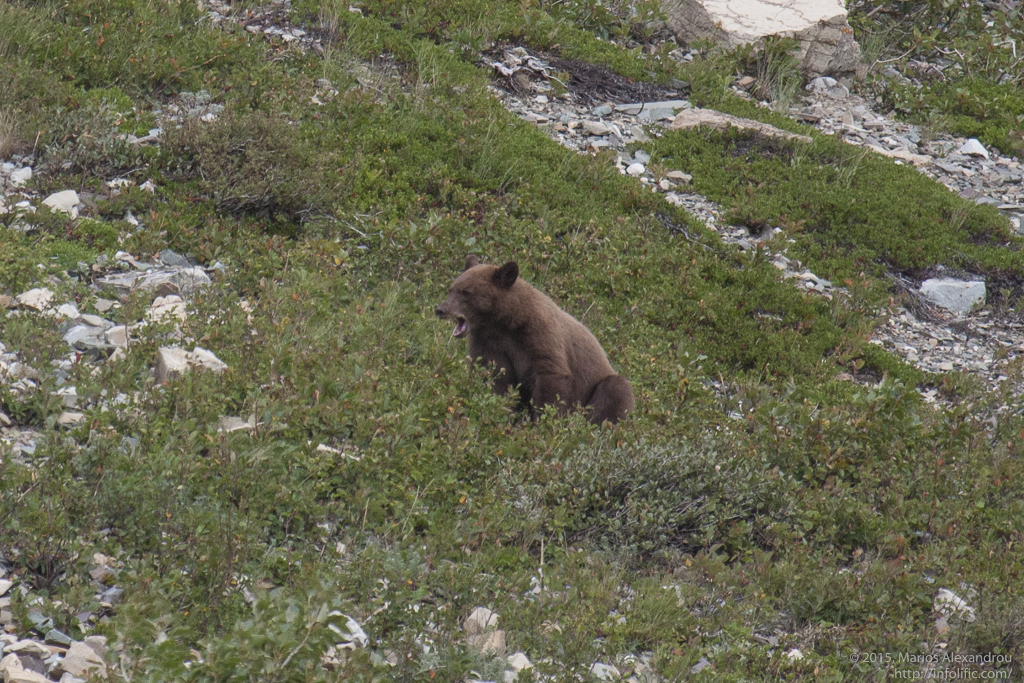
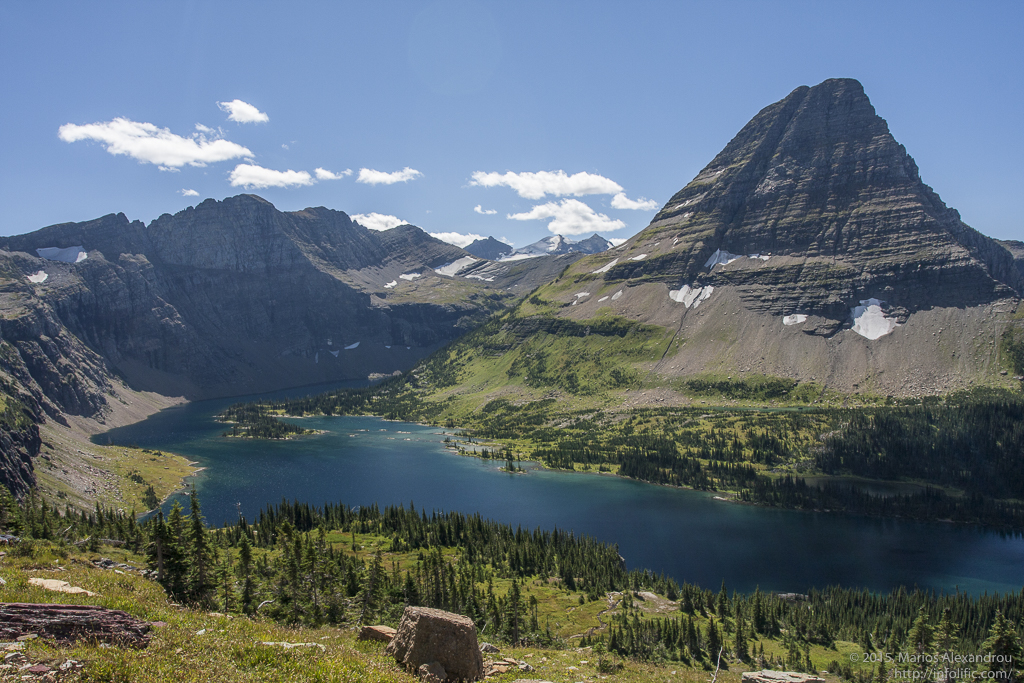
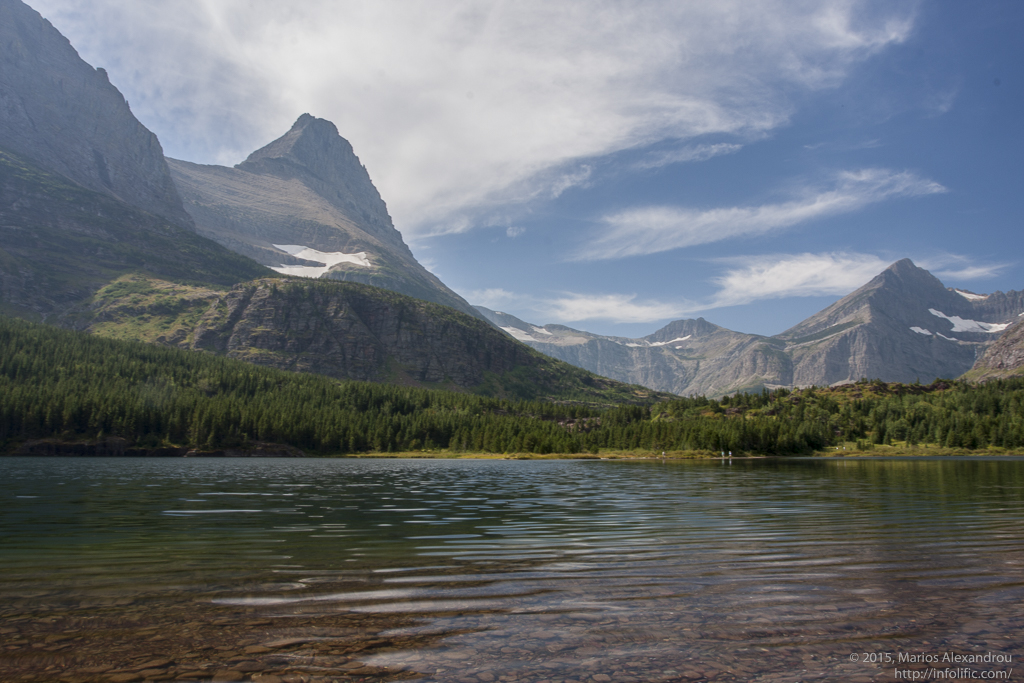
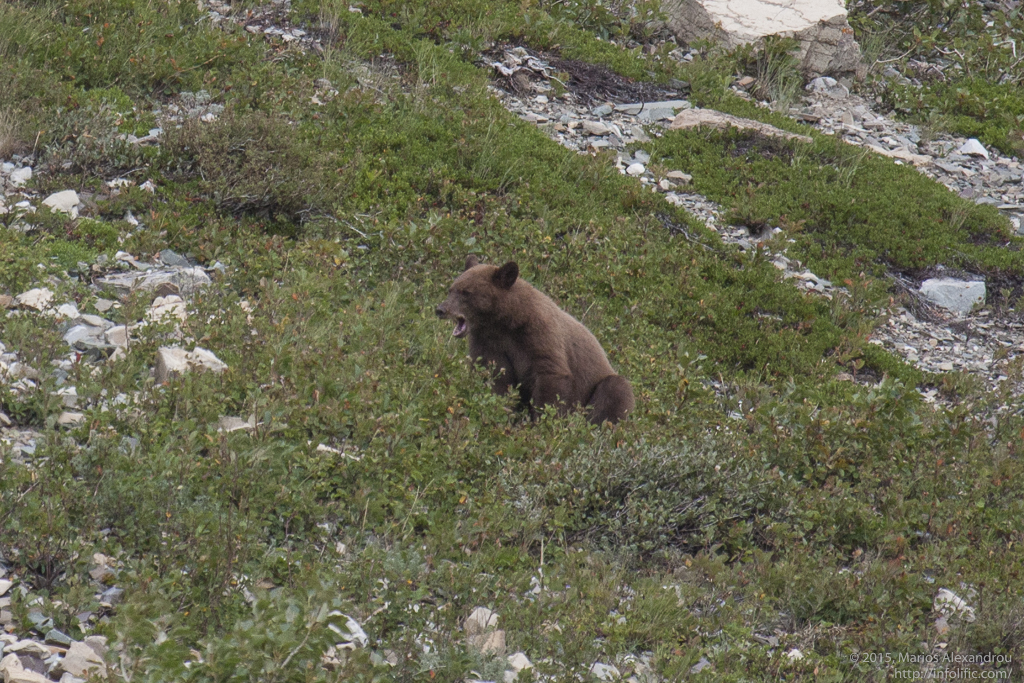
You rest on a gnarled snag of fir, shoes off, feet touching a lake so cold it makes you shiver. Never-melting chunks of ice float in the frigid water. But the sun is high, warming the back of your neck, and the trail you have followed is blazed with blossoms. You are a summer visitor in a place that was shaped by the agents of winter, a landscape that owes its allegiance to ice.
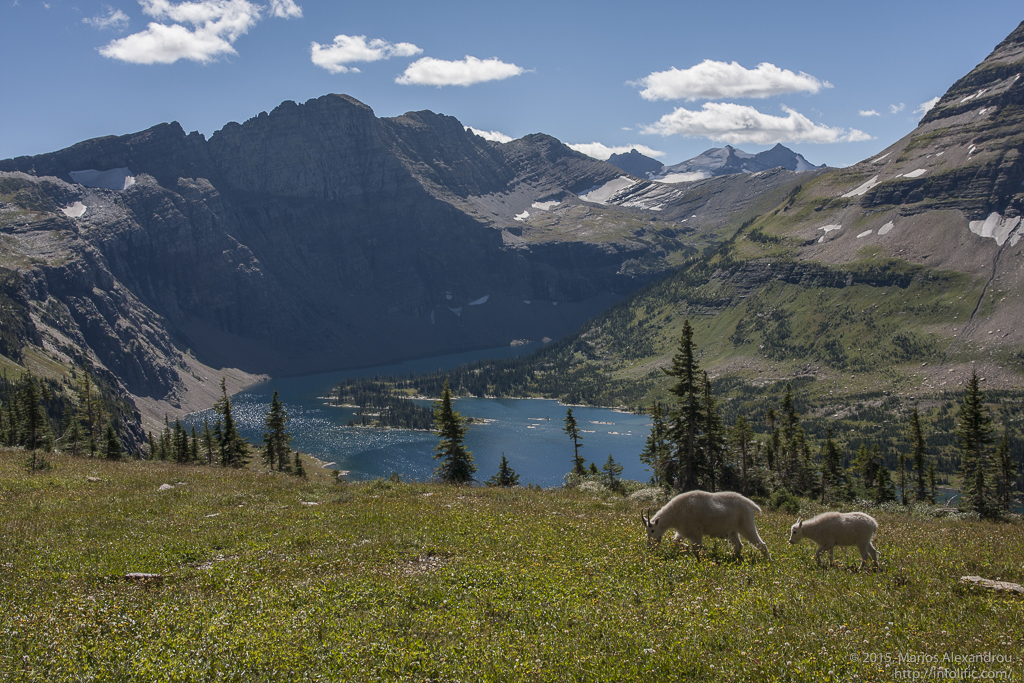
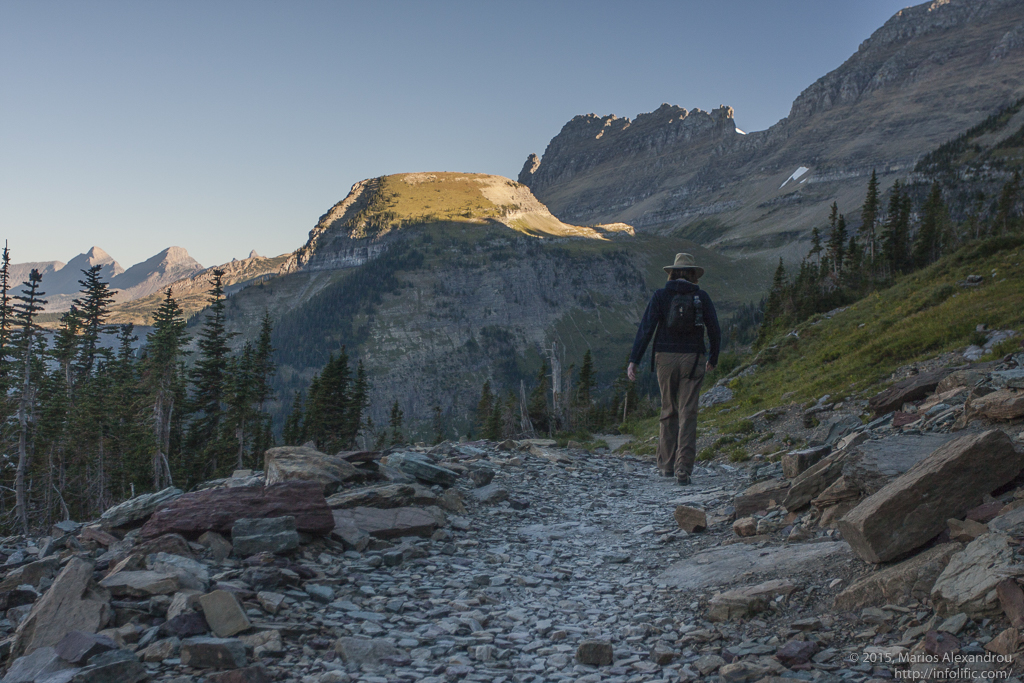
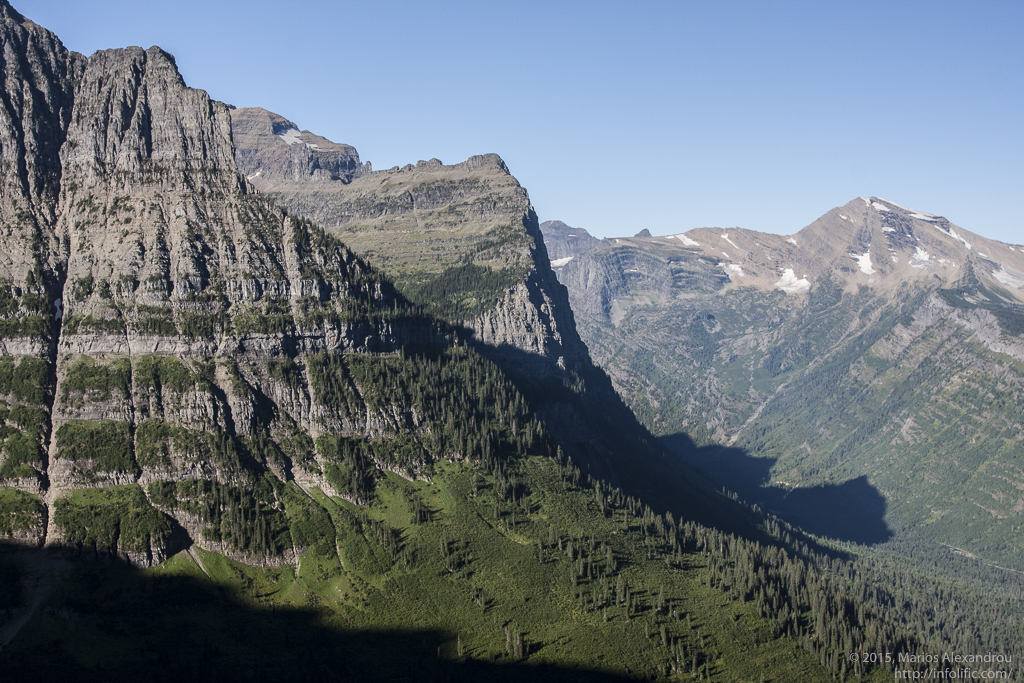
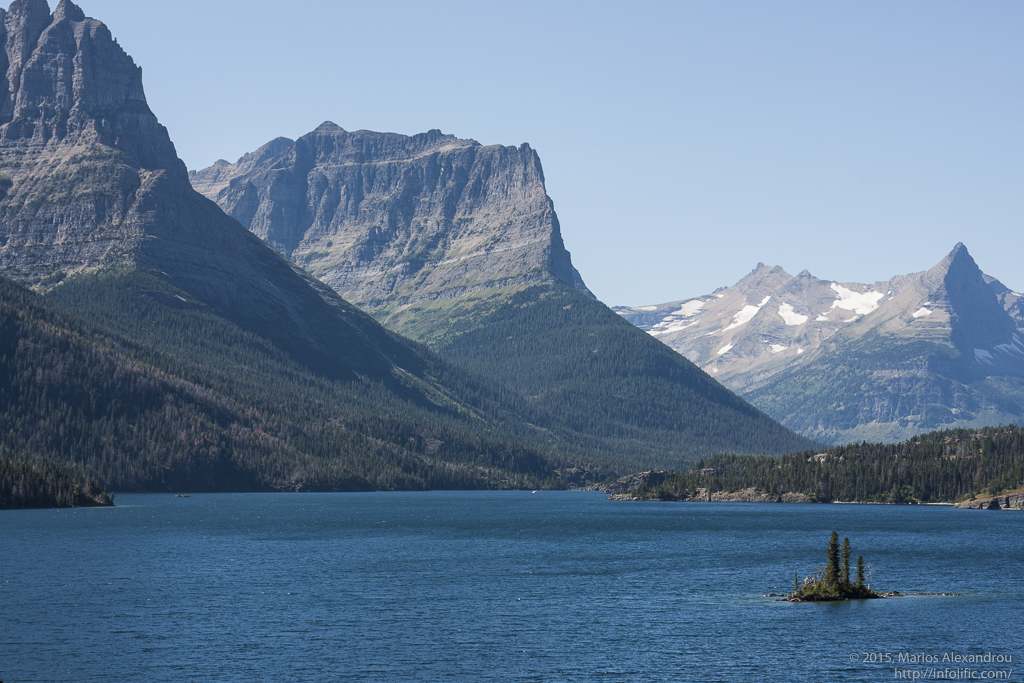
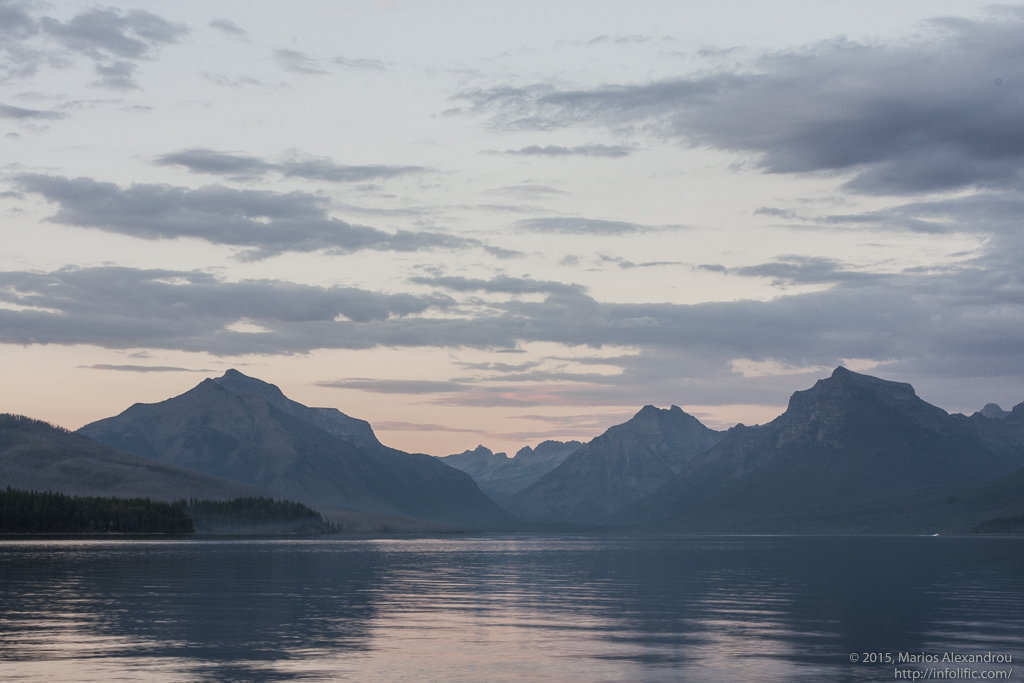
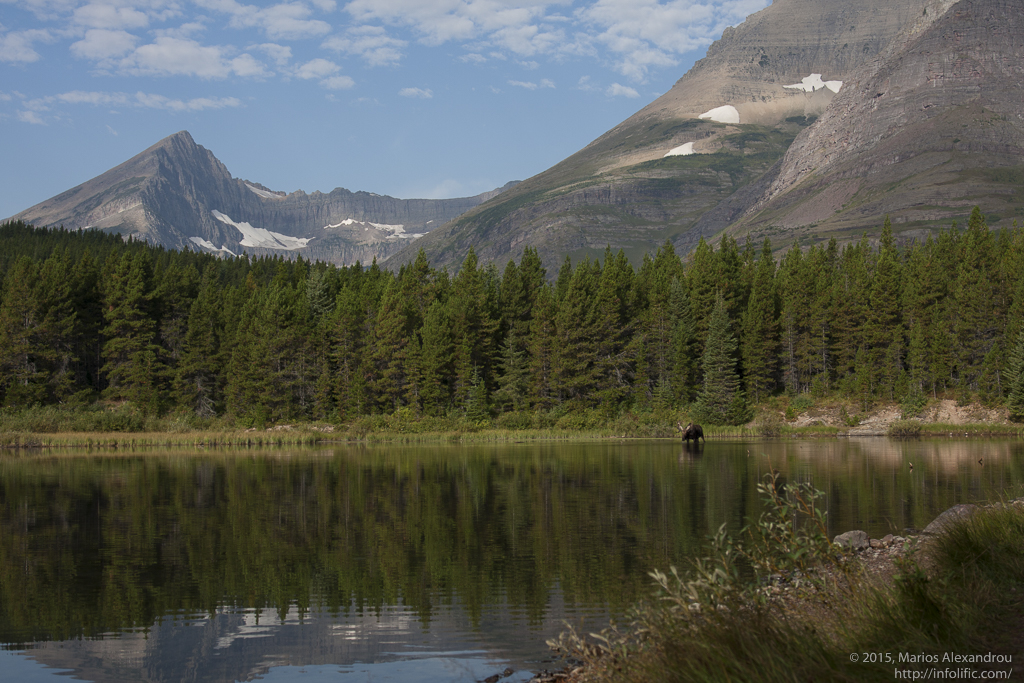
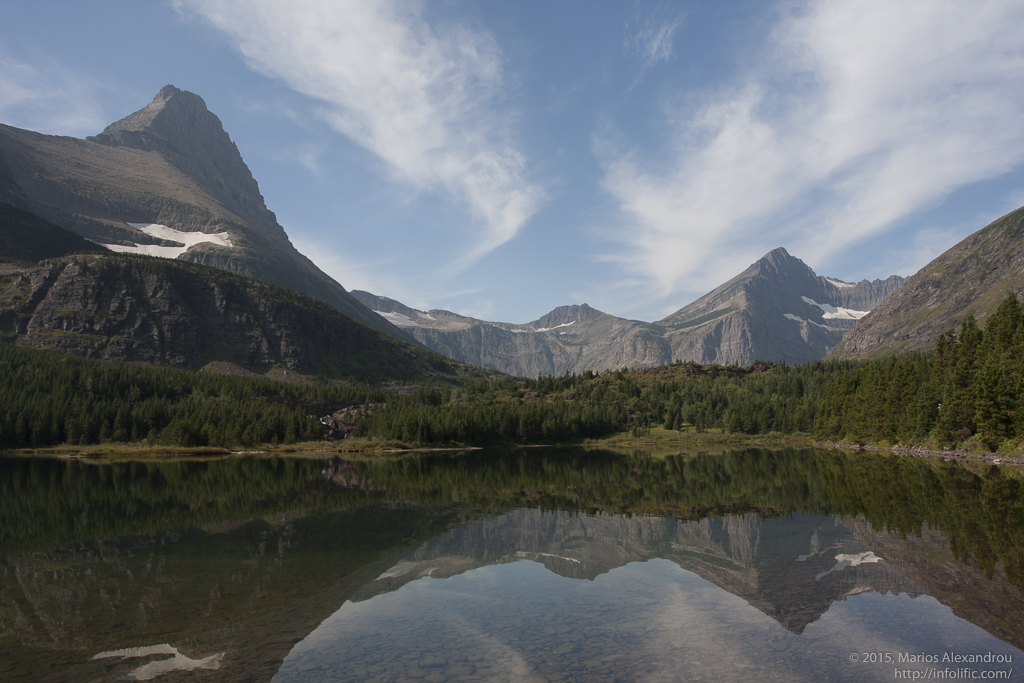
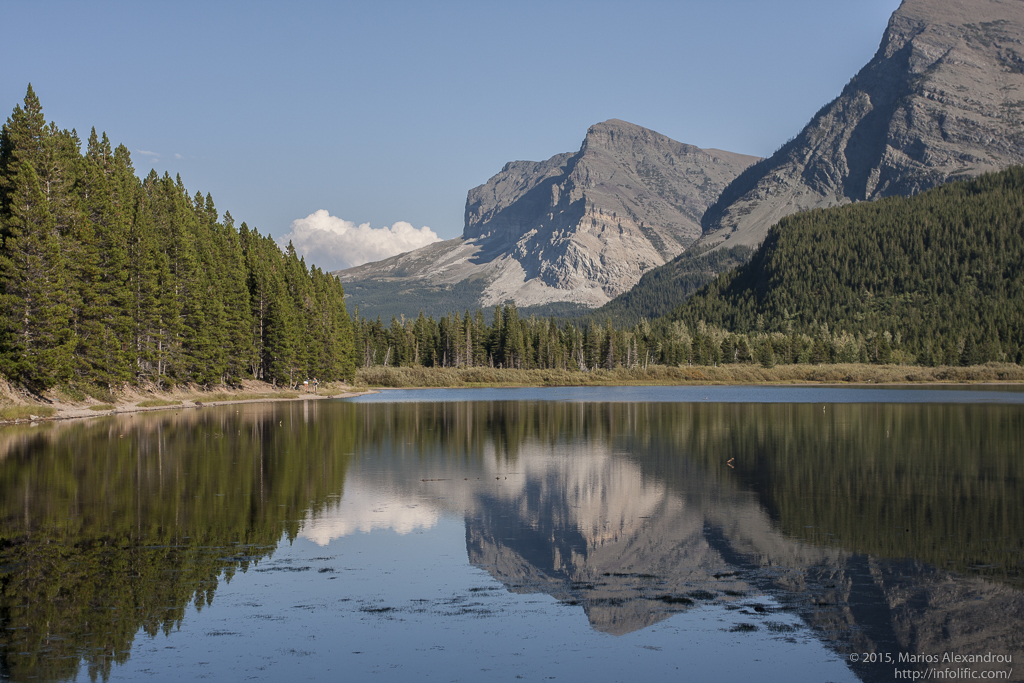
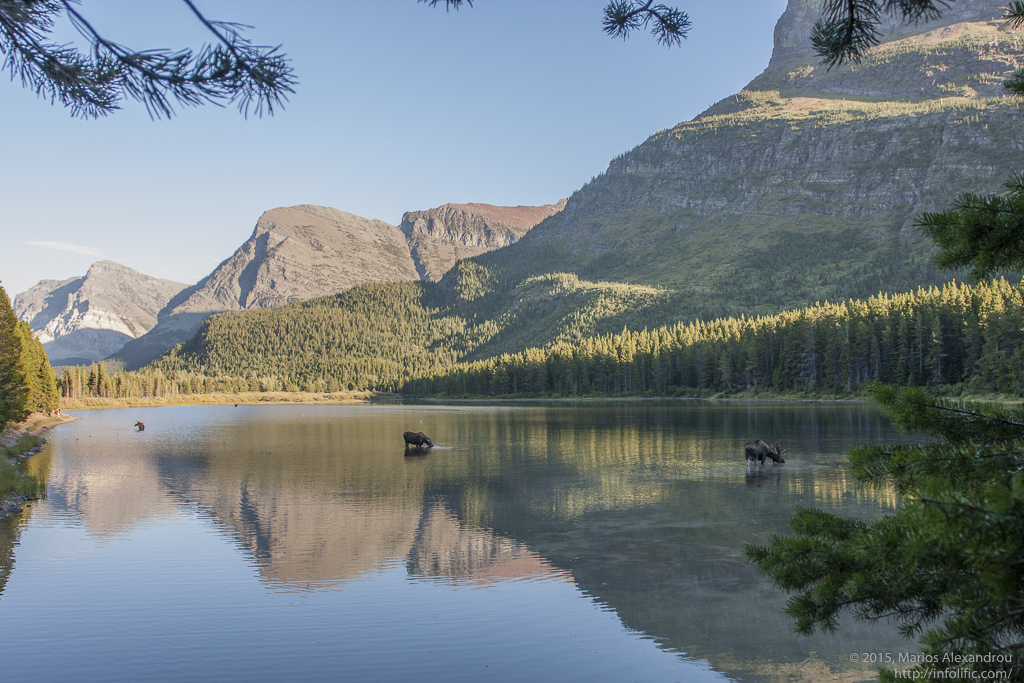
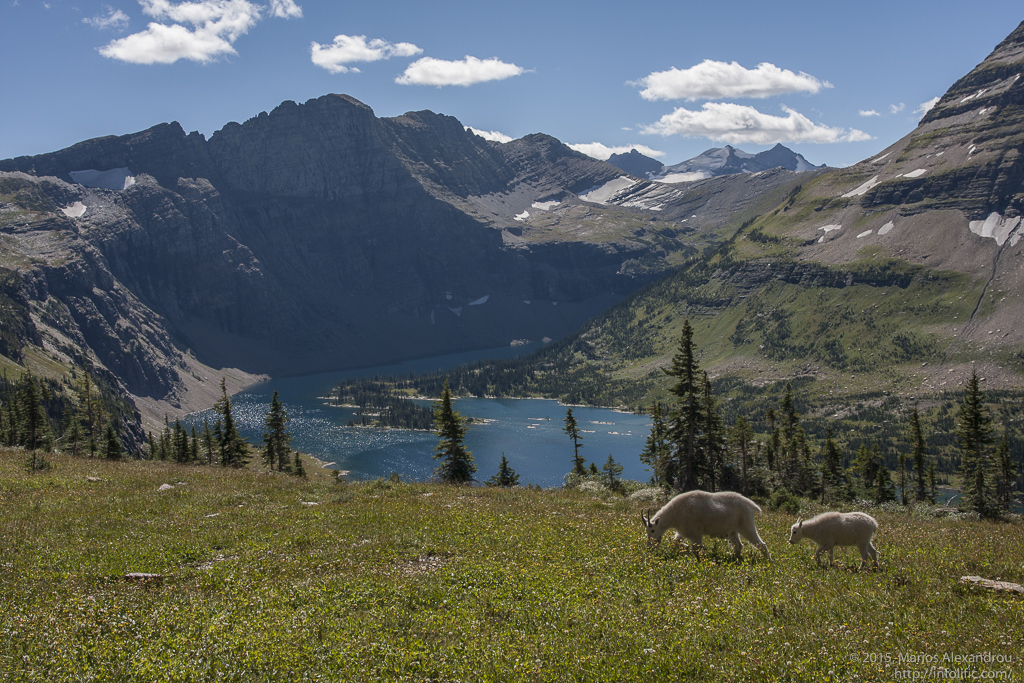
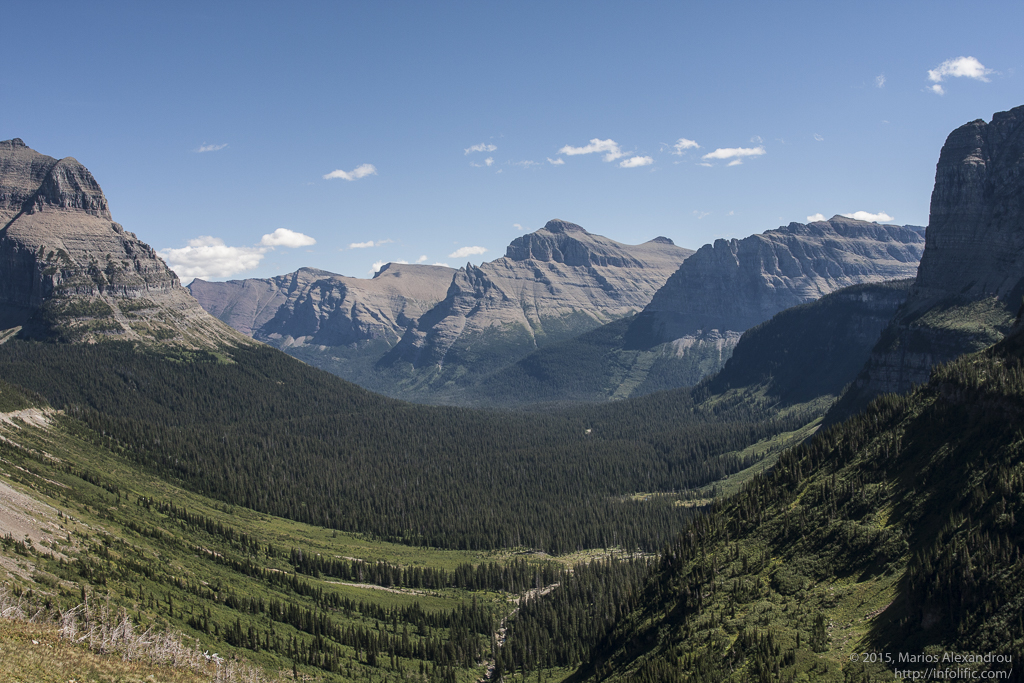
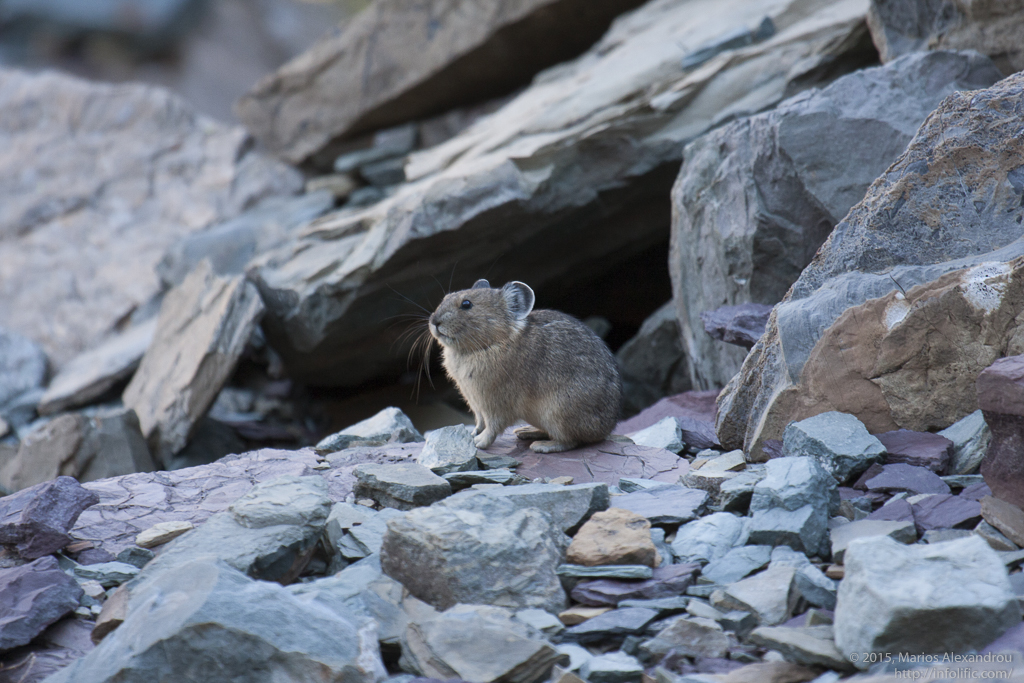
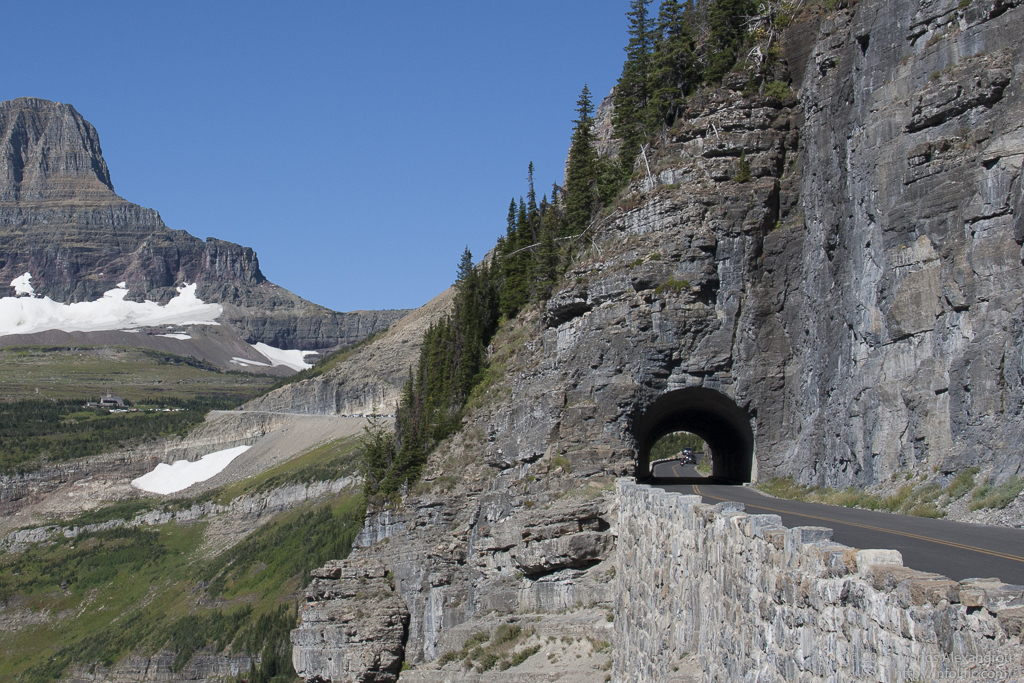
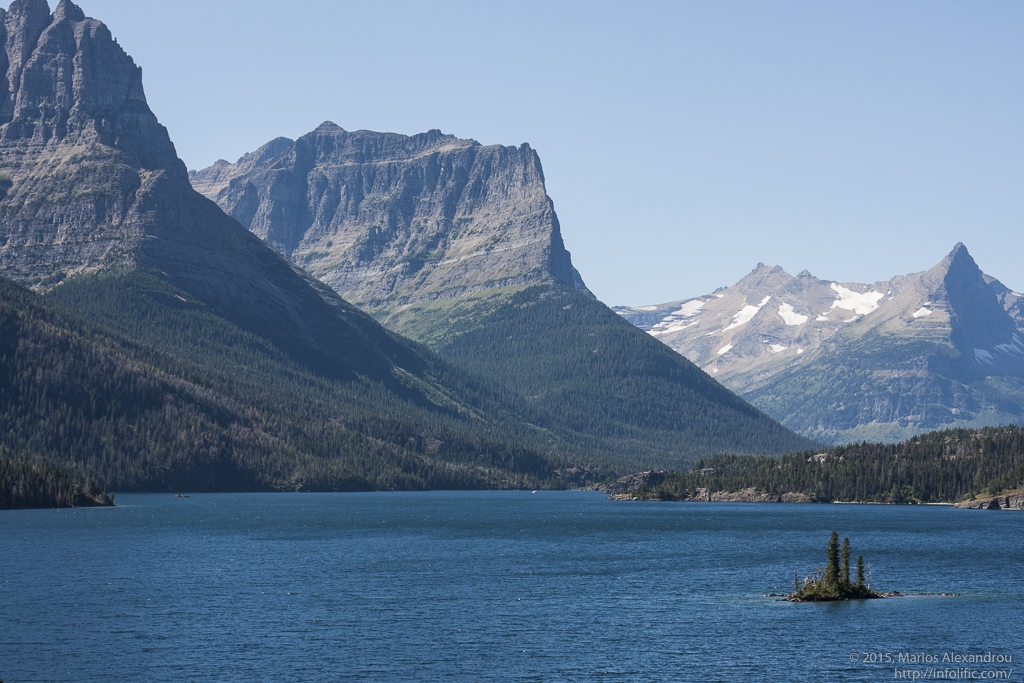
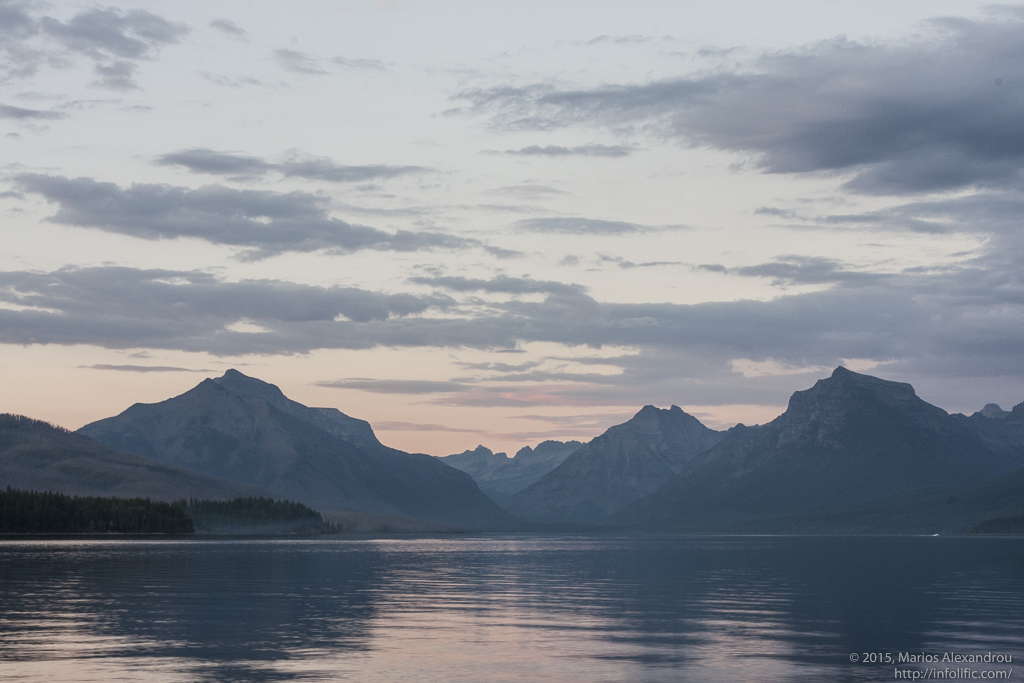
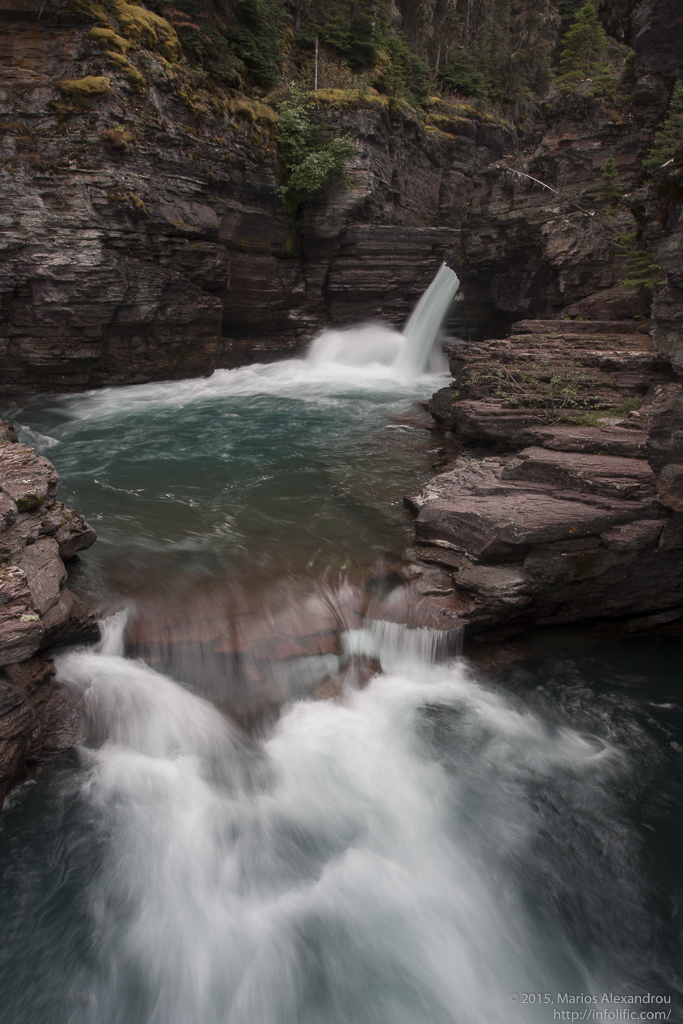
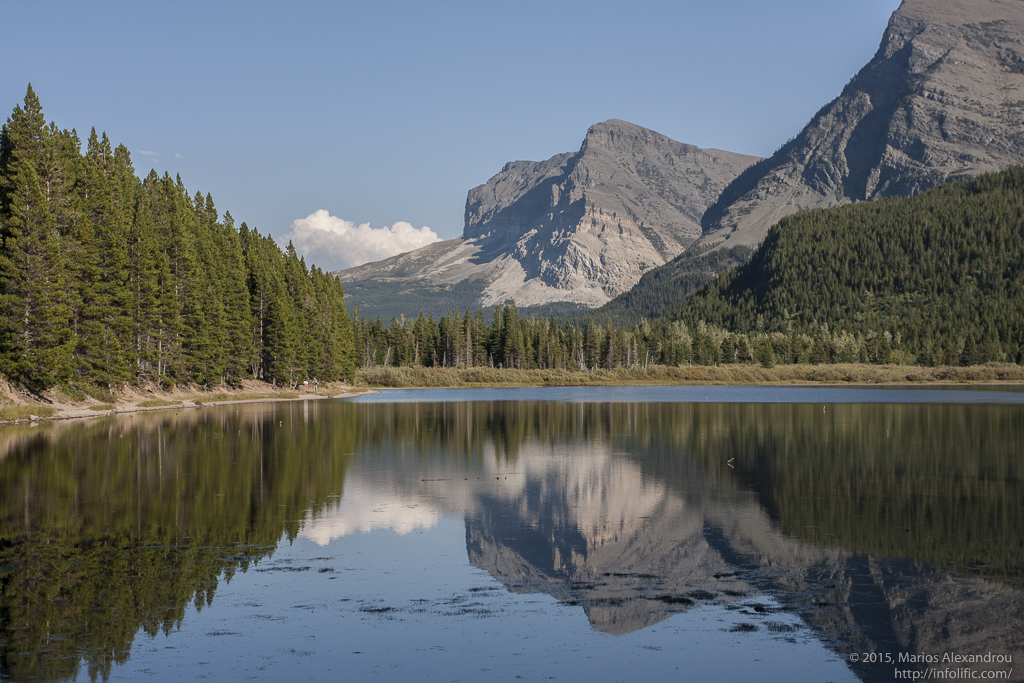
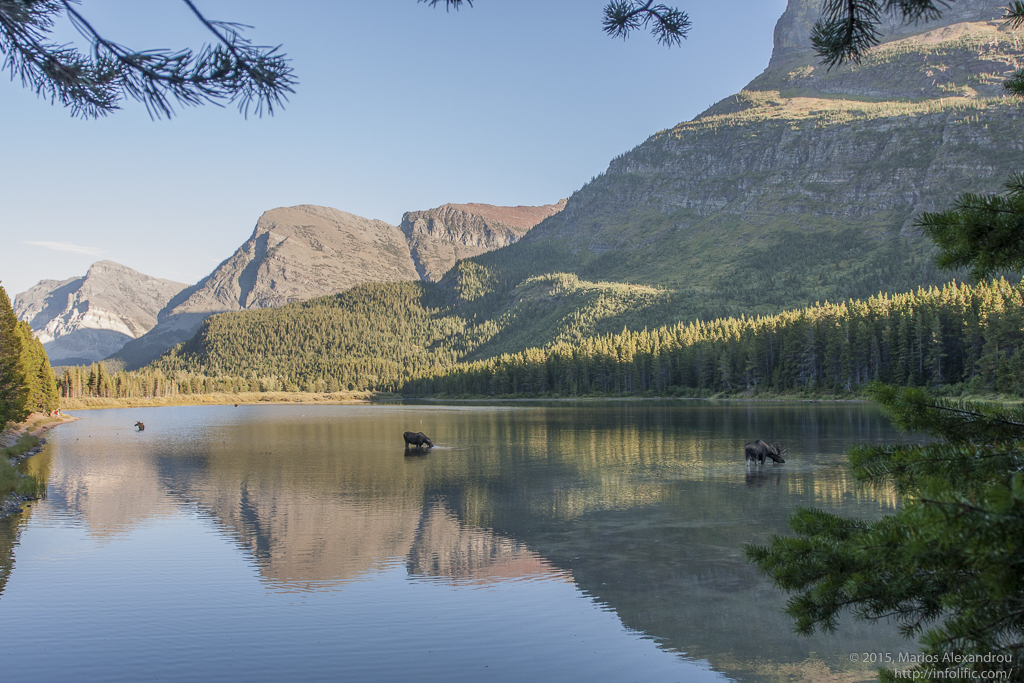
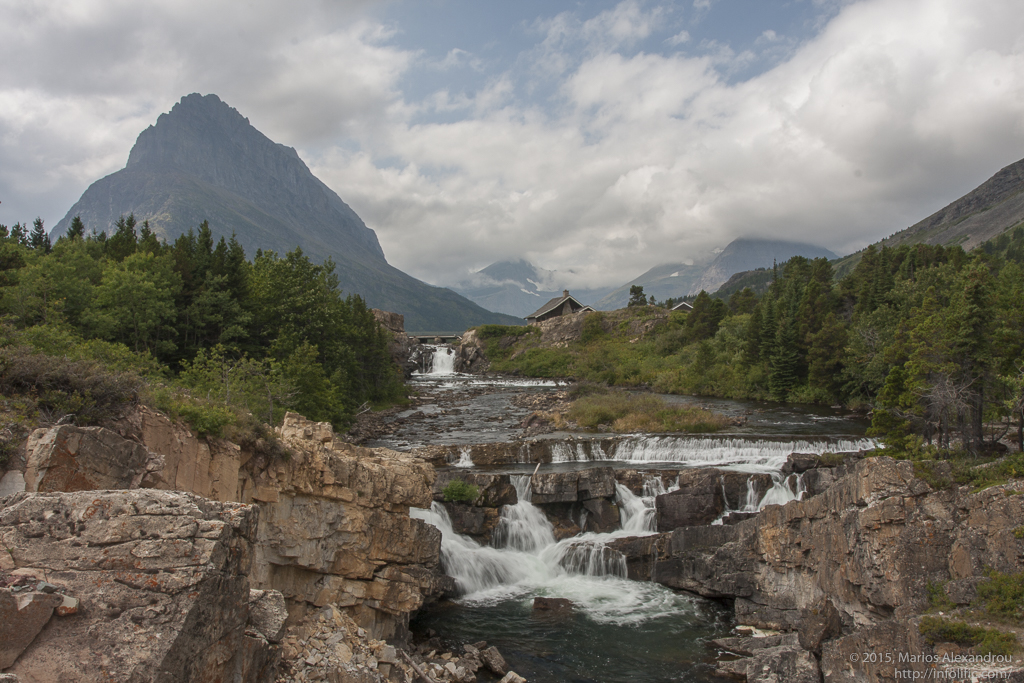
More than 700 miles of trails traverse Glacier's million acres, but you do not have to tread on each and every one of them to know the park intimately. A shimmering expanse of prairie, evergreen forests with their stately boughs, glimmering lakes set into mountain crowns, high-meadow gardens, snowbanks blanketing the alpine tundra, your eyes can feast on all of these, and more, in a single day's hike. Every turn of the trail beckons you deeper into the heart of the wilderness; each discovery, whether of a glacier lily blooming in a snow patch or a sweeping vista of glistening mountaintops, propels you to the next. Even Glacier's peaks are attainable. Seldom more than 10,000 feet high, the mountains are almost human in scale when compared to the giant ice-clad peaks of Banff and Jasper a few hundred miles to the north.
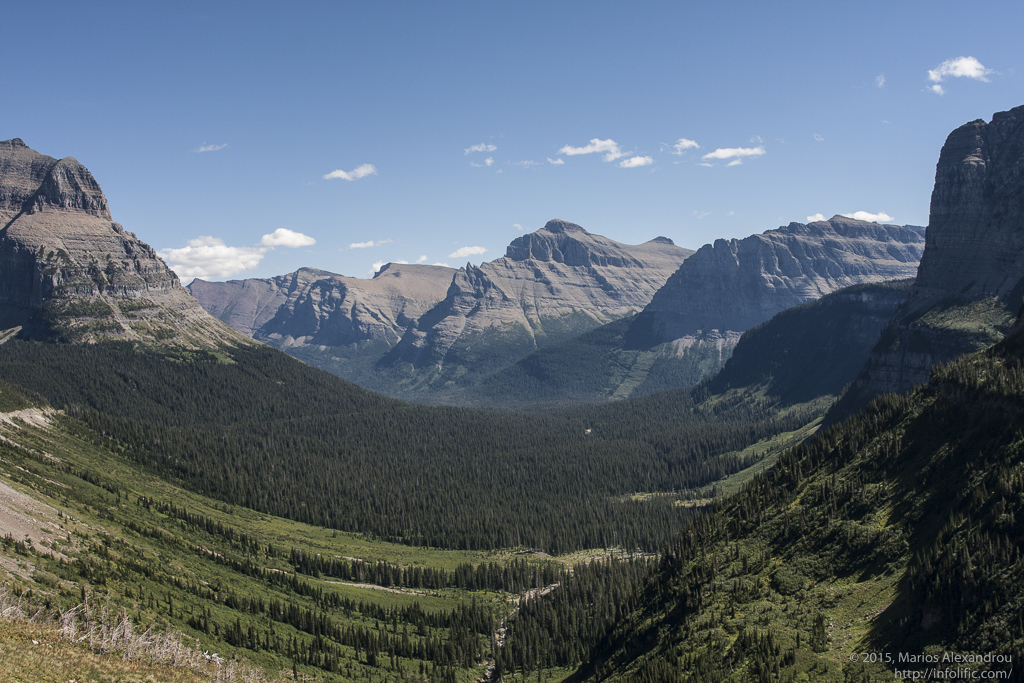
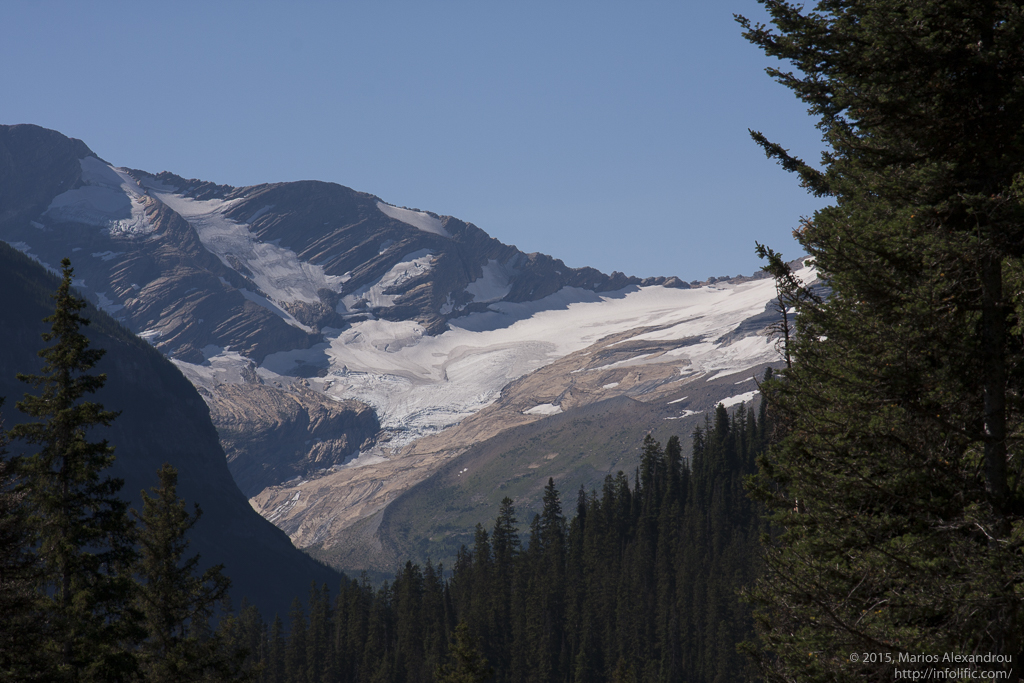
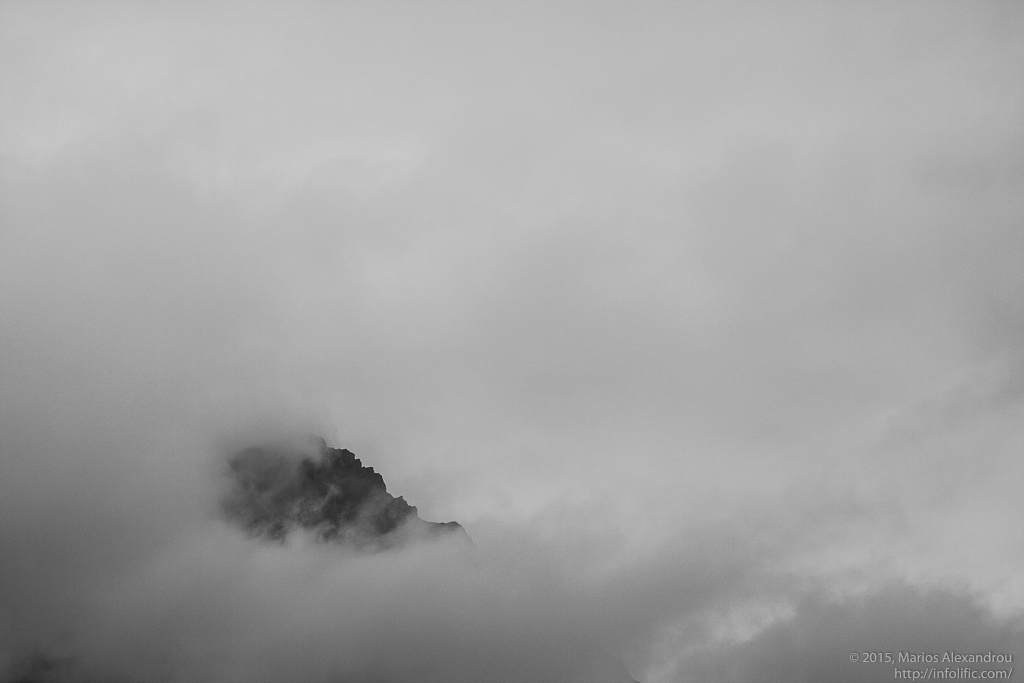
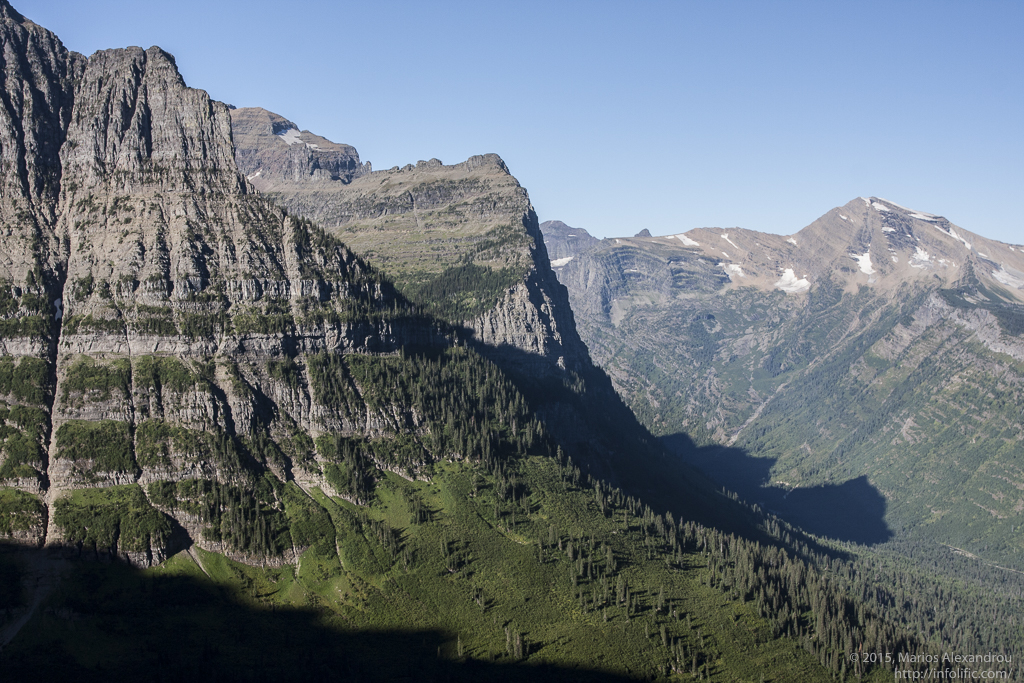
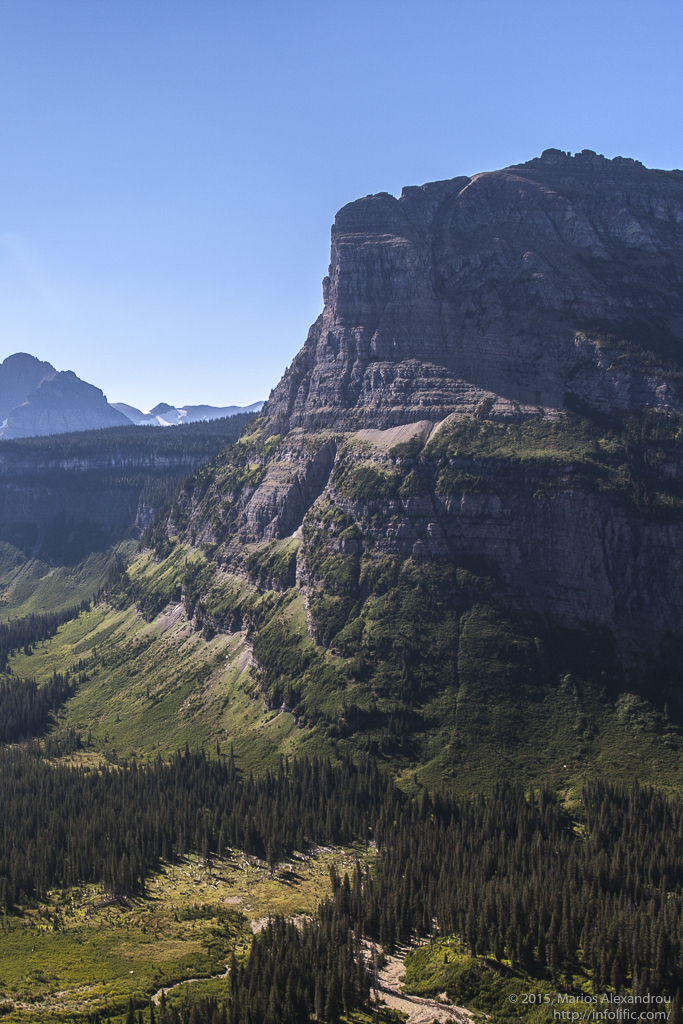
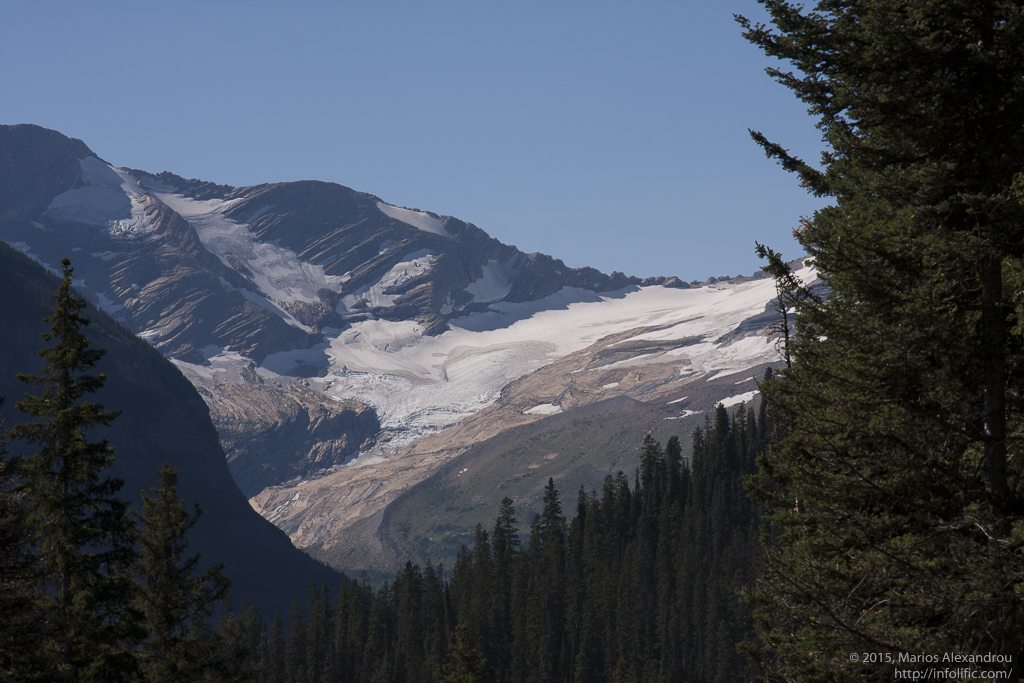
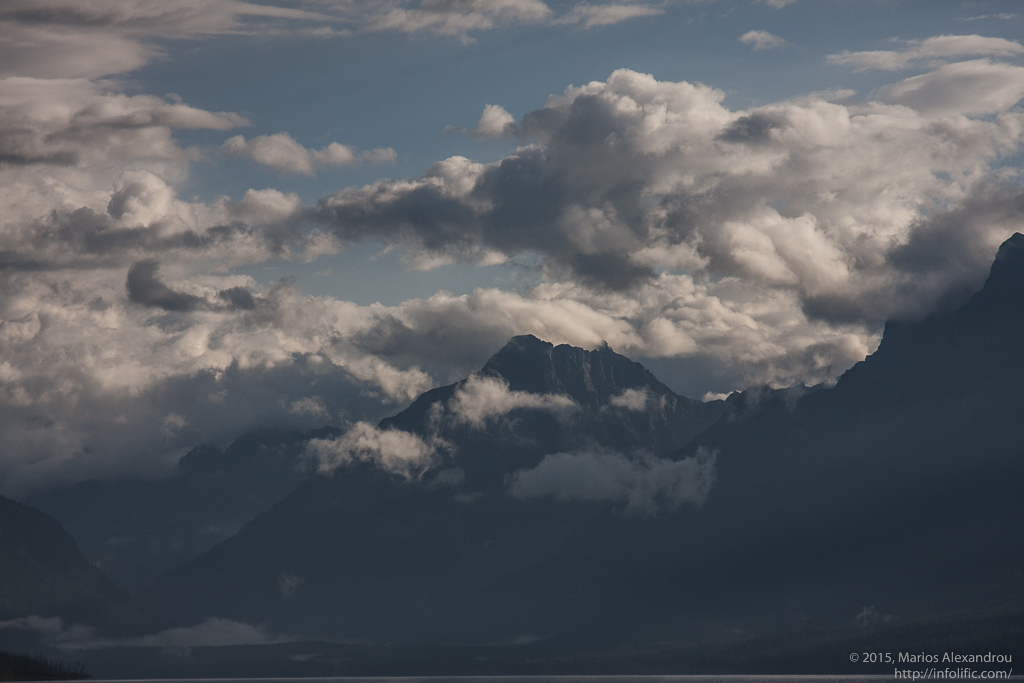
Sheer grace is chiseled into this land, like poise into a statue, the sharp spires, the toothed ridges, the abrupt cliffs that stand defiant in shadow and storm. All pay homage to glaciation, the most recent sculptor, for by its very name, Glacier celebrates the force that shaped in last. The signature of moving ice can be found everywhere in the park, and its creations are as yet unsoftened by last time. Ending a scant 10,000 years ago, the last great ice age is a fresh memory to these peaks, but it is merely the newest chapter in the long, tumultuous history of the land.
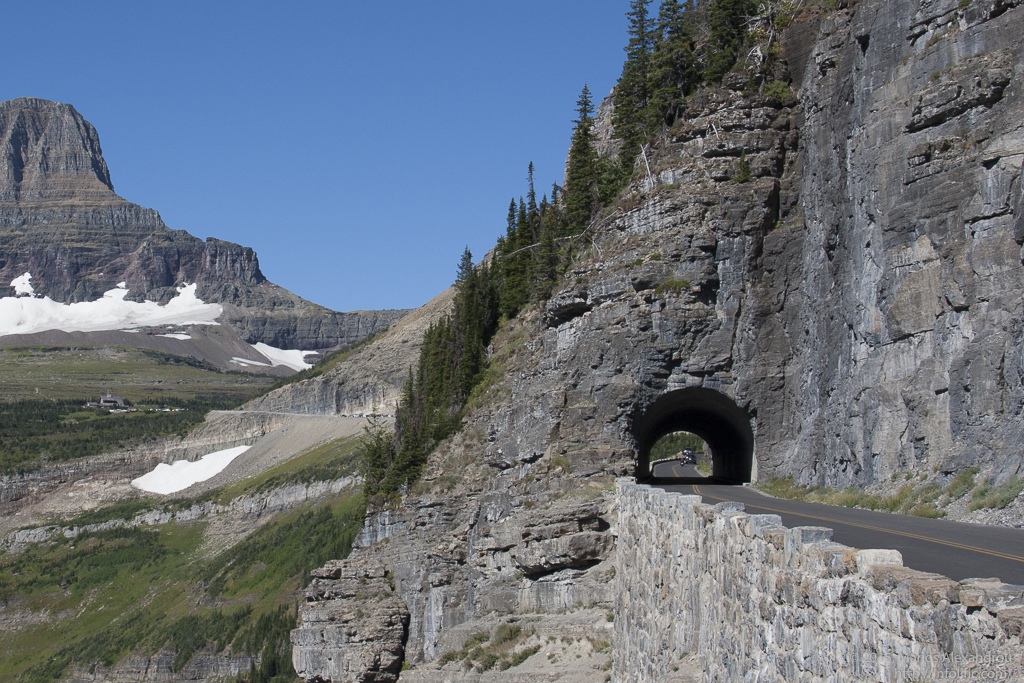
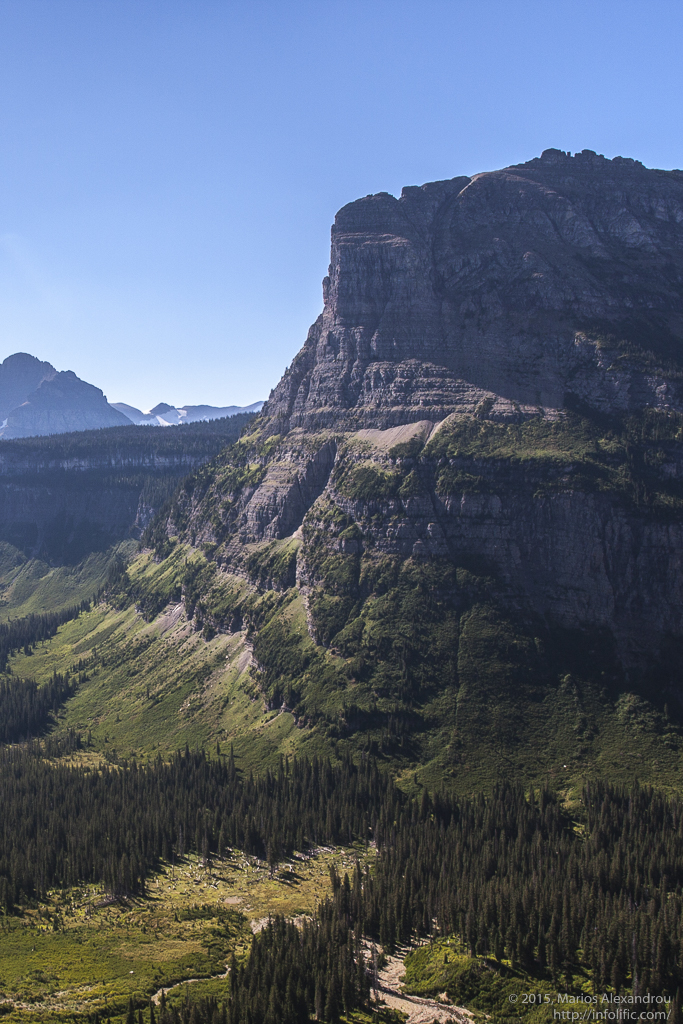
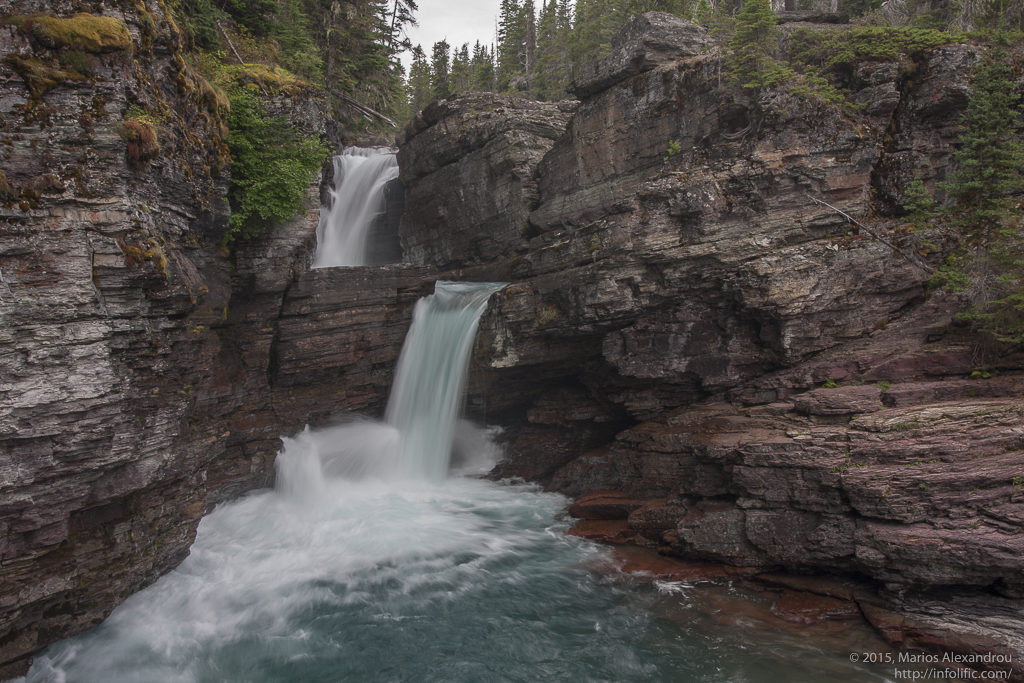
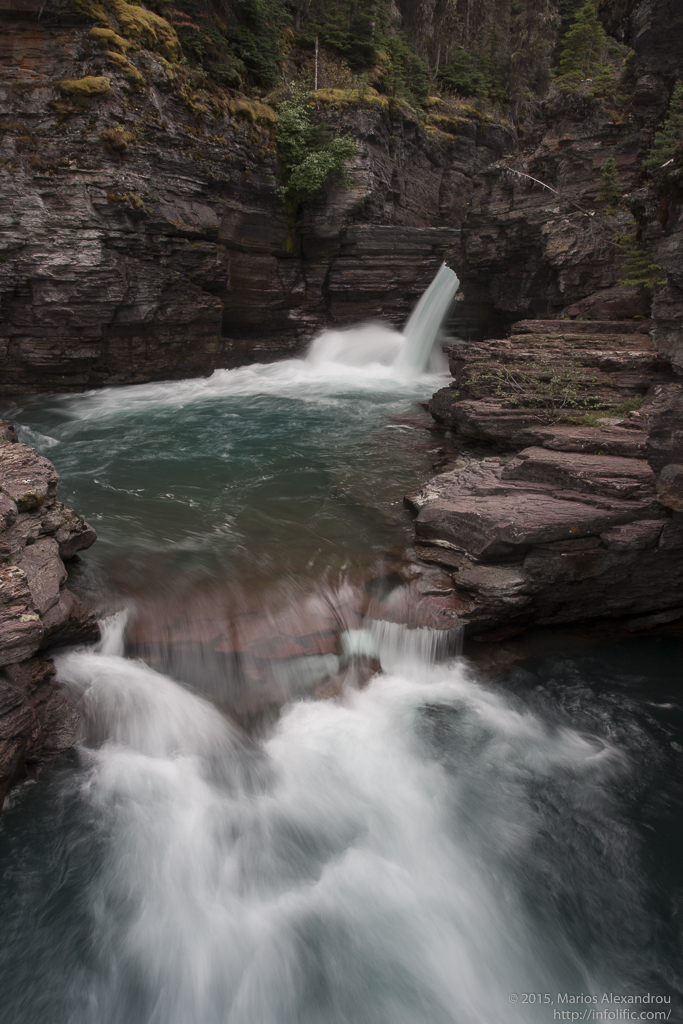
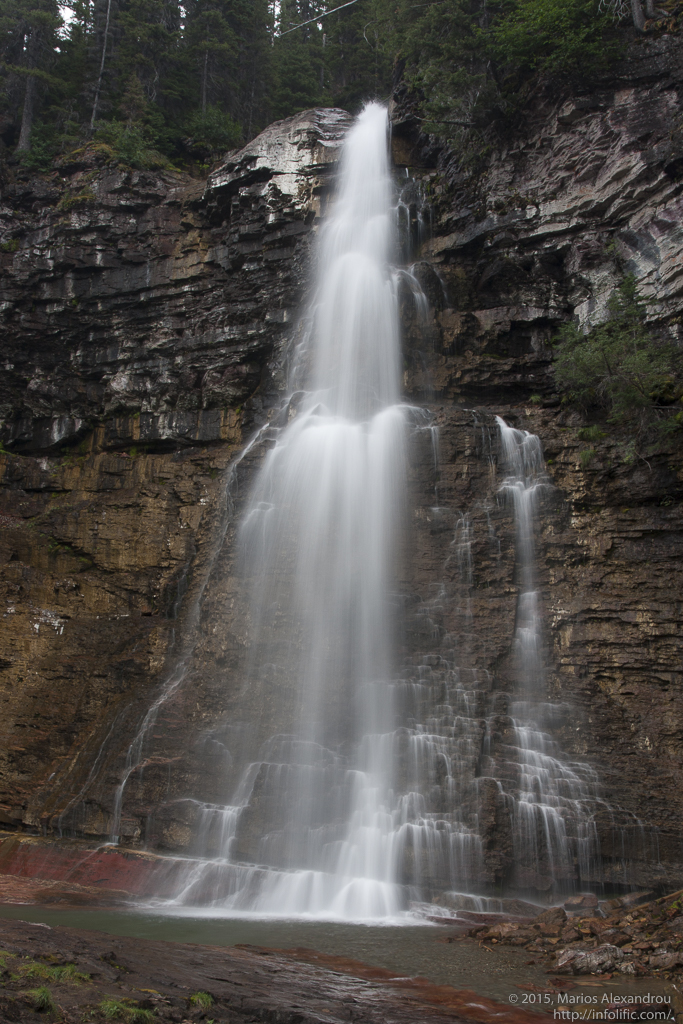
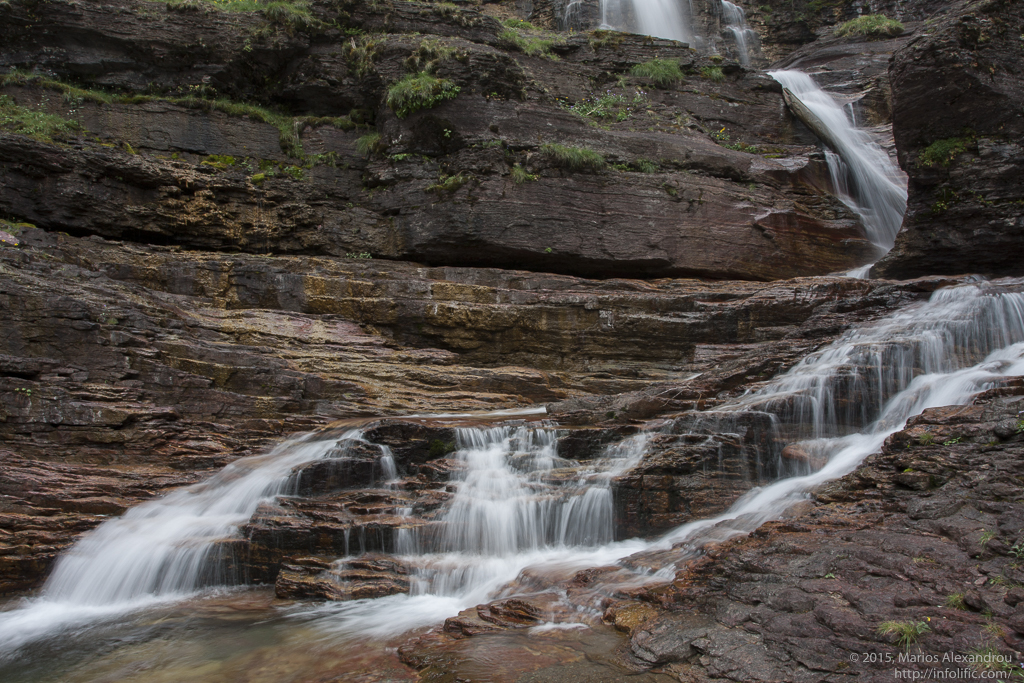
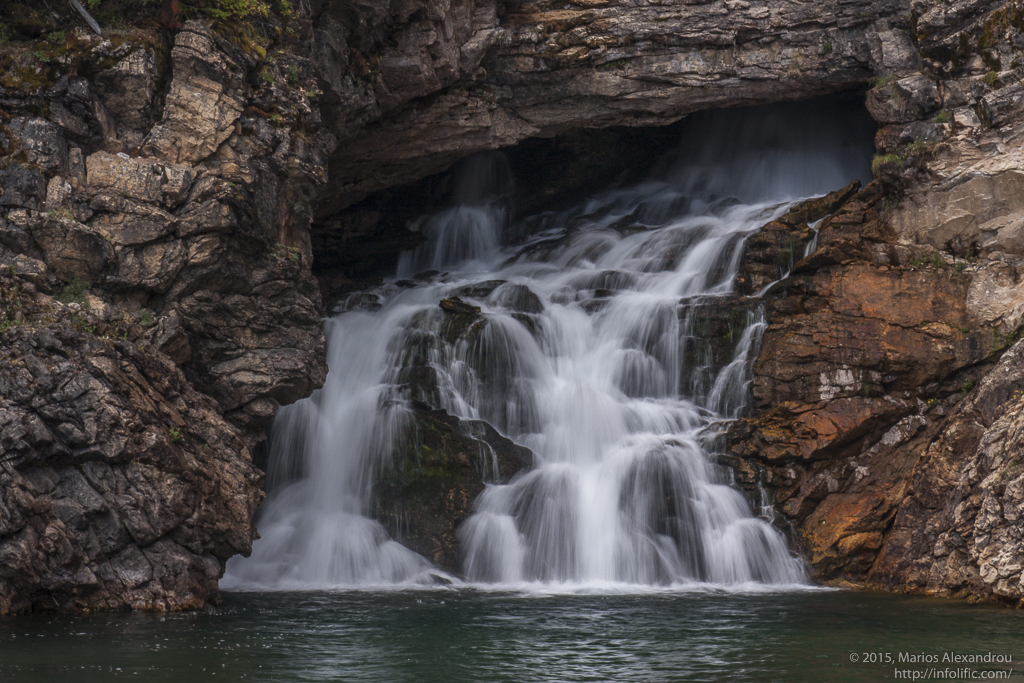
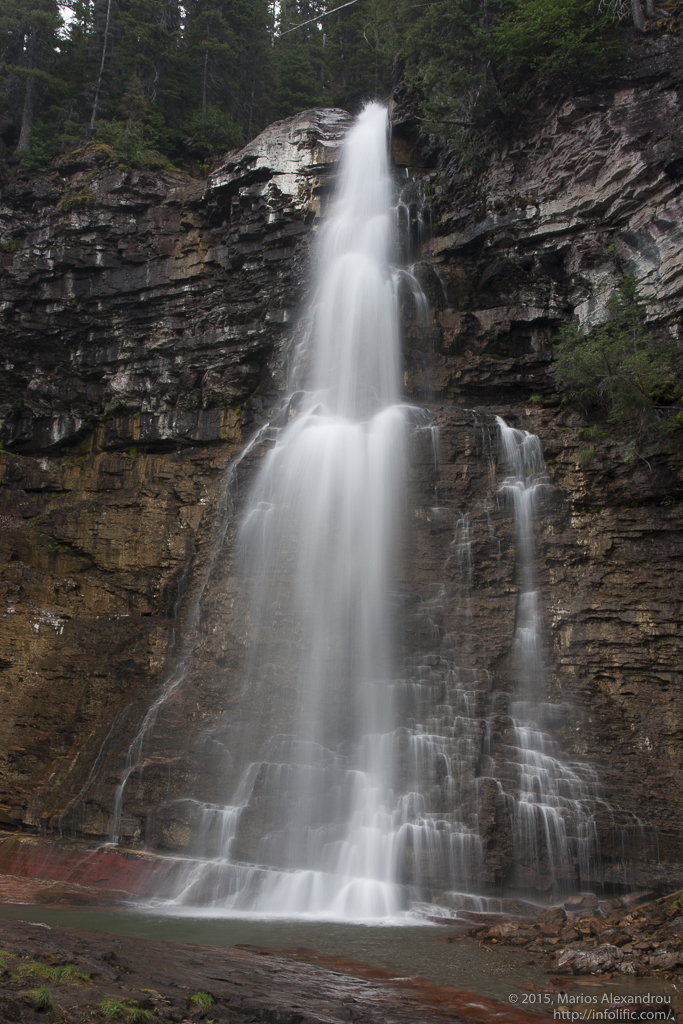
The mountains' story begins a long, long time ago, more than a billion years back in time, when shallow seas alternately flooded and withdrew from the land. Each immersion left behind a characteristic layer of clay, lime, silt, or other sediments that settled on the seabed in the same way that sand sinks to the bottom of a pond. As the sediments built up over millions of years, they became compressed and cemented together, solidifying into rock layers thousands of feet thick. By the time the last sea retreated, lime had turned into limestone, sand into sandstone, mud into mudstone, and so on, creating the layer cake look of the mountains we see today. Tiered with red, green, gray, and buff bands, Glacier's mountains rise in ancient splendor, the oldest sedimentary rocks on earth.
But not all the rock layers can be traced so evenly from peak to peak. In certain places, the layers are crumpled and stand on end; they look agonized, perhaps even tortured. In others, the layers are broken and stacked, with the older rocks on top. At Marias Pass, for example, billion-year-old, buff-colored limestone rests on 70-million-year-old dark gray sandstone, the result of a colossal upheaval. Over millions of years, geologic forces beneath the earth's surface gradually pushed up the layers of rock, forming the great Rocky Mountain system, of which Glacier's mountains are a part. Squeezed by uneven pressures, a massive block of Glacier's bedrock was thrust upward and over its eastern neighbors, buckling and cracking in the process. The mountains that we know today, chiseled and dramatic, thus stand as massive monuments to the earth's convulsive past.

I grew up just west of Glacier National Park and I'm planning a trip back to do some hiking. While I do have some books on hiking there I have been trying to find more info and I'm finding it hard to come by. If you are planning more trips to Glacier to research the trails I'd be pleased to join you with my husband.