

Keeping Your Elderly Parent Safe From Falls In The Home
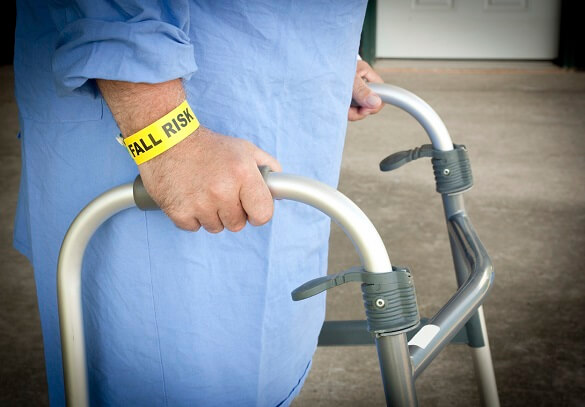
If your aging parent still lives in the comfort of their own home, the main goal is for them to retain a sense of independence and self-pride. But moments of unsteadiness and the progression of certain illnesses can make it a true challenge for them to live on their own. A fall detection plan should be in place at all times. This may include a medical alert device or an easy way to call an emergency contact. Here are just a few ways that you can help to promote safety and establish a thriving environment in your older loved one's home.
Eliminate Fall Risk Contributors
A main concern with your loved one could be experiencing a fall that leads to a severe or life-altering injury. It's important to get rid of the things in the home that may be contributing to a fall hazard. This starts by:
- Cleaning up clutter from the floors and hallways
- Installing railings on stairs and throughout the home
- Adding a fall detection system for your home or your loved ones home
- Wearing comfortable and form fitting shoes
- Using socks with a grip bottom to reduce slipping on floors
- Implementing a wheelchair ramp for easier access
Depending on what the needs of your loved one are, using one or more of the above ideas can create a safer environment and reduce the risk of injury.
Make Sure All DME Is Working Properly
If your parent is using a walker, wheelchair or other portable DME, make sure it's in top working order. Over time, especially after a fall, a walker or cane can become bent, causing an unlevel surface and promoting a future fall. Because most durable medical equipment is rented, call the rental company to come out for a complete evaluation of the products. From there, missing pads, grips and screws can be replaced or repaired, typically free of charge. This helps to make the mobility experience a safe and effective one for your loved one.
Install Adequate Lighting
A major factor in many fall cases is poor lighting. Your loved ones vision may be severely impaired making it hard to see things in the dark. This can lead to tripping over rugs and entryways as well as stairs and other areas that may trigger a fall. Hire a professional to come in and install floor lighting that helps to light the way when the house is dark. This can also be beneficial outside—along walkways and especially the stairs, where your loved one may have trouble with depth perception.
Stay On Top Of Medical Concerns
It's important for your parent to seek routine medical care and treatment. For instance, a detached retina can lead to visual impairment and in some cases permanent blindness, if not treated right away. Some diseases such as heart disease and diabetes can put your loved at an increased risk for falling. If your loved one has fallen and an injury has occurred, suggest that his doctor write an order for physical therapy. Physical therapy promotes stretching and strengthening core muscle groups to help eliminate the reoccurrence of a damaging fall.
When To Seek Emergency Care
If your loved one has reported to you that they have fallen, it's important to know what the next step should be. Should you call an ambulance? Or just treat the issue at home with a first aid kit? A general rule of thumb would be to call an ambulance if:
- There is significant bleeding that can't be controlled with a bandage
- Skin that is severely lacerated and unable to close
- Loss of consciousness
- Trouble speaking or walking
- Becoming severely confused or incoherent
- Unable to apply pressure or weight to a joint
- A fall that has resulted in significant bruising
When in doubt, take your loved on the emergency room for a complete evaluation. From there, blood work or imaging may be required.
Giving your loved one the independence that they need is important. Make sure that they are thriving in an environment that is safe and effective toward growth.

 (1 votes, average: 4.00 out of 5)
 Loading...
839GYLCCC1992

Leave a Reply